

Creating effective communication in veterinary and animal health is a complex challenge. It’s not just about producing something visually beautiful - it’s about understanding the science, the audience, and the learning goals behind every project.
At Trimble Group, we know that impactful creative work in this space relies on four essential ingredients: scientific understanding, storytelling clarity, respect for the audience’s reality, and creative and production expertise.
Blending Clinical Expertise with Creativity
There are countless creative agencies that can deliver high quality visuals or clever campaigns. But in animal health, that’s only part of the equation. Every piece of content needs to be clinically accurate, educationally sound, and strategically aligned with real-world outcomes.
It’s this ethos that I built Trimble Group on. From the beginning, we’ve had veterinary knowledge and expertise, and each team member has added to this piece of the puzzle with their creative expertise, and a background of animal experience. The mix of experienced veterinary professionalism working alongside creatives, means we approach projects with an understanding of the underlying physiology, pharmacology, and anatomy, and the creative skill to make it appealing.
When creating courses, product launches, photography, campaigns, brand videos, and more in animal health, it’s imperative to craft narratives that are not only engaging but correct down to the smallest detail. The audience in this space is highly specialised - they’ll spot instantly if something in the script, the set, or even the sequence of a video feels off. Beyond that, veterinary professionals are busy and time poor. This way of working means our clients can trust that the veterinary and technical details are handled, freeing them to focus on the bigger picture rather than having to oversee every nuance.
Turning Complex Science into Memorable Stories
Scientific accuracy doesn’t have to mean heavy, complex communication. In fact, it’s the opposite. The challenge lies in distilling complicated mechanisms or clinical concepts into messaging that are clear, engaging, and easy to retain.
For example, when we work on training or product launch content, we focus on putting the most important messages upfront, without overwhelming the audience with detail. And this is where it’s really important for our team to understand the neuroscience of how we learn and absorb information. There’s a lot of outdated facts on this out there, and we feel it's important to help our clients move past this and into a newer more innovative style of educating and creating content. The balance between precision and simplicity is what turns something from being just informational, into an understandable and memorable piece.
Designing Realism in Learning Environments
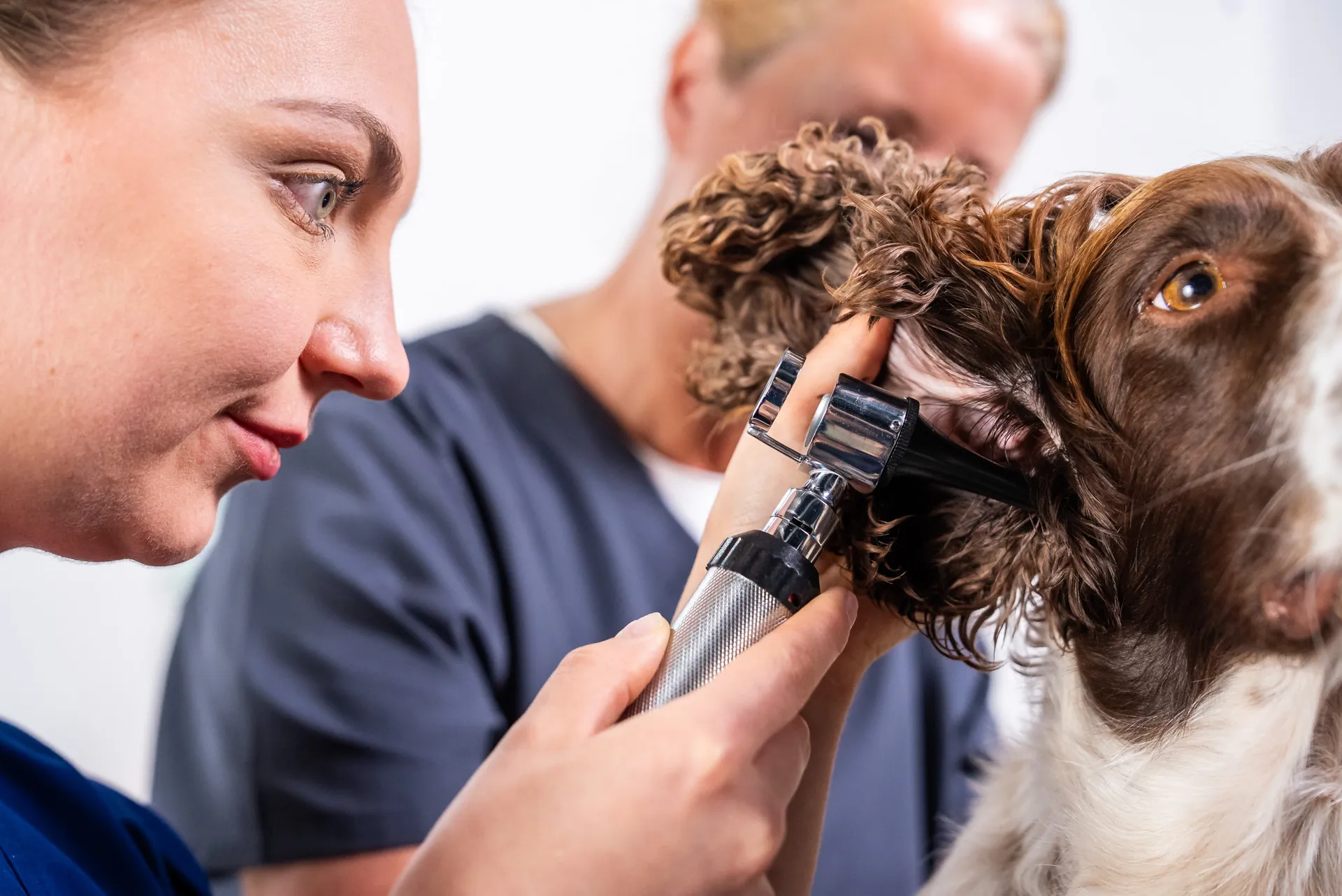
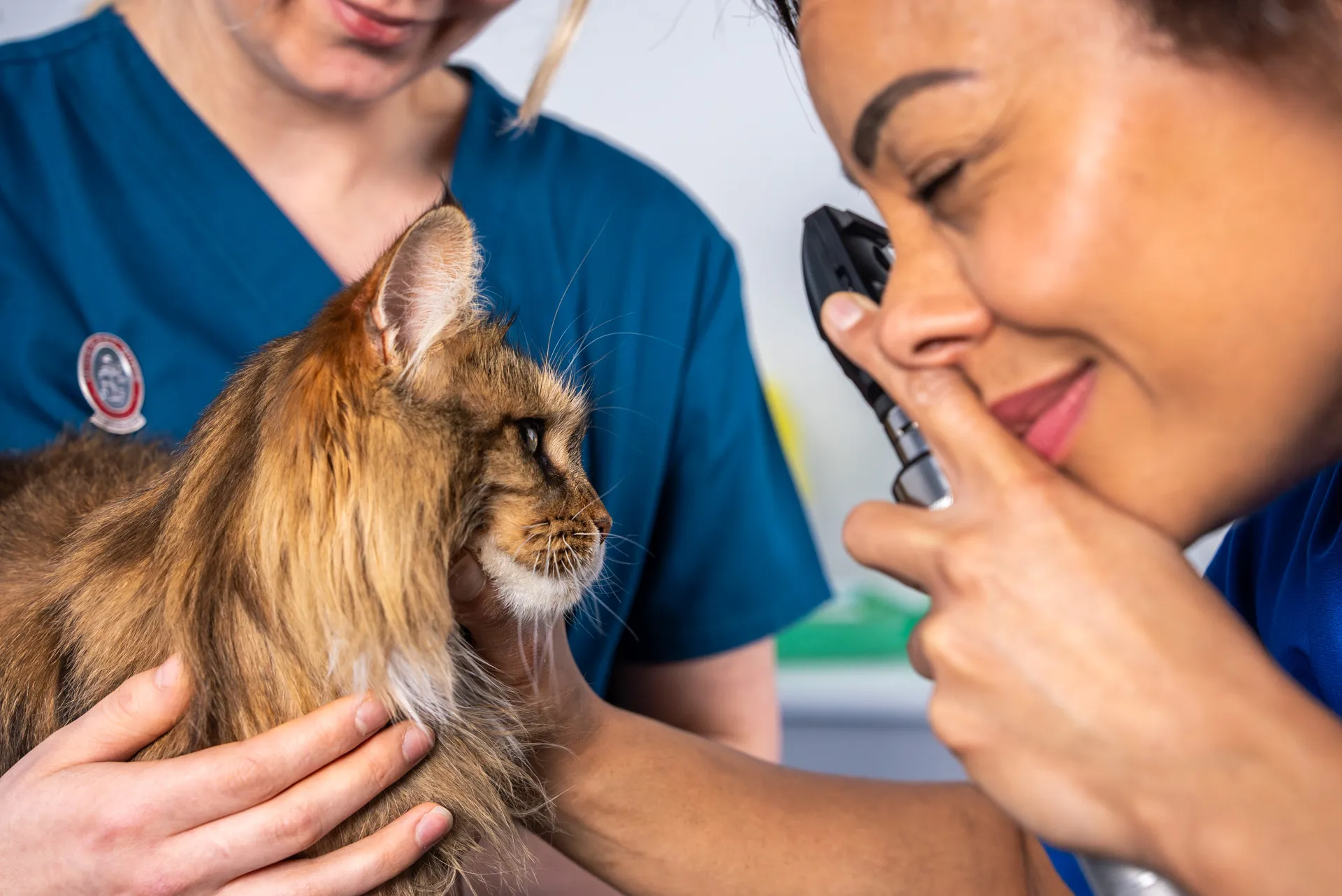
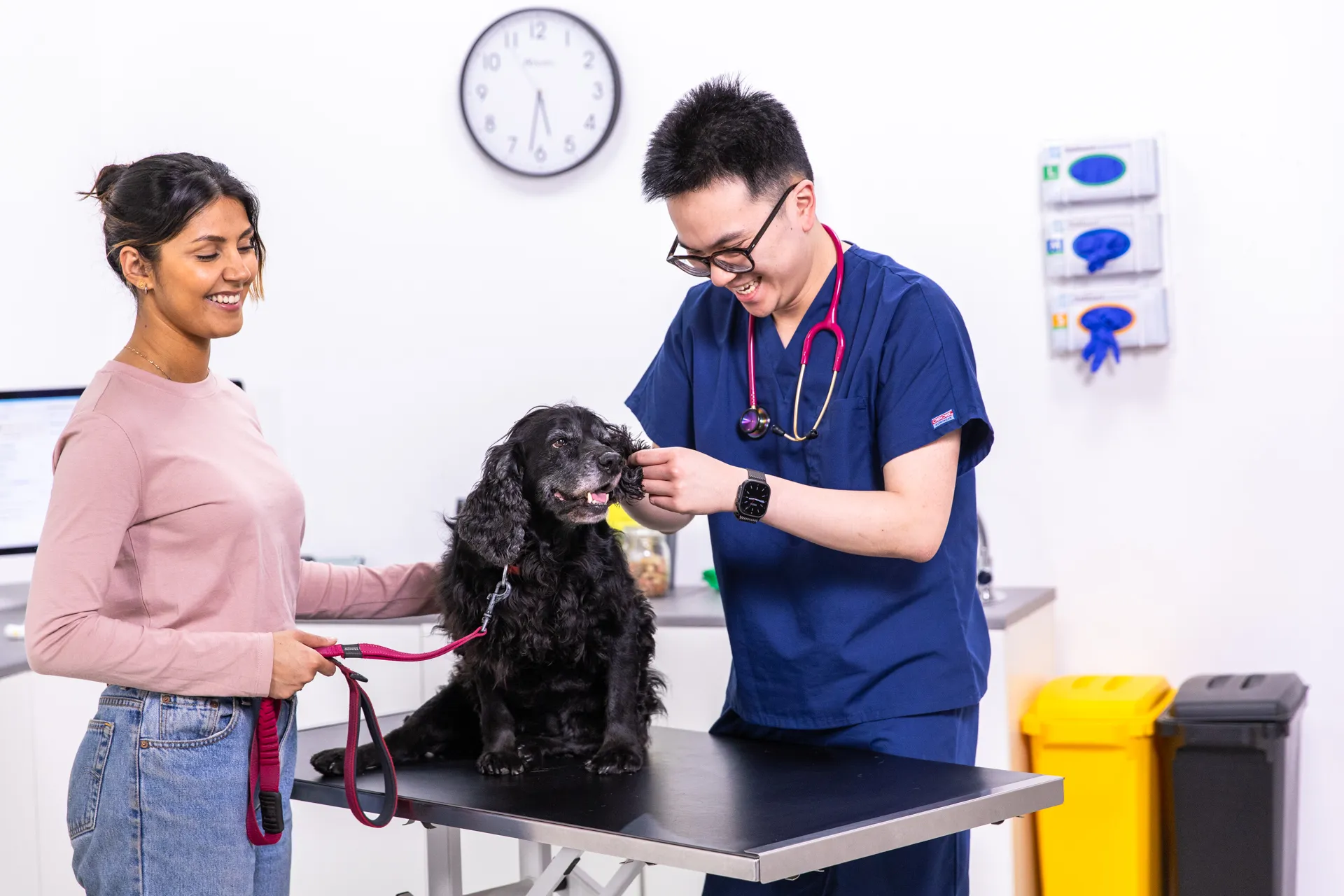
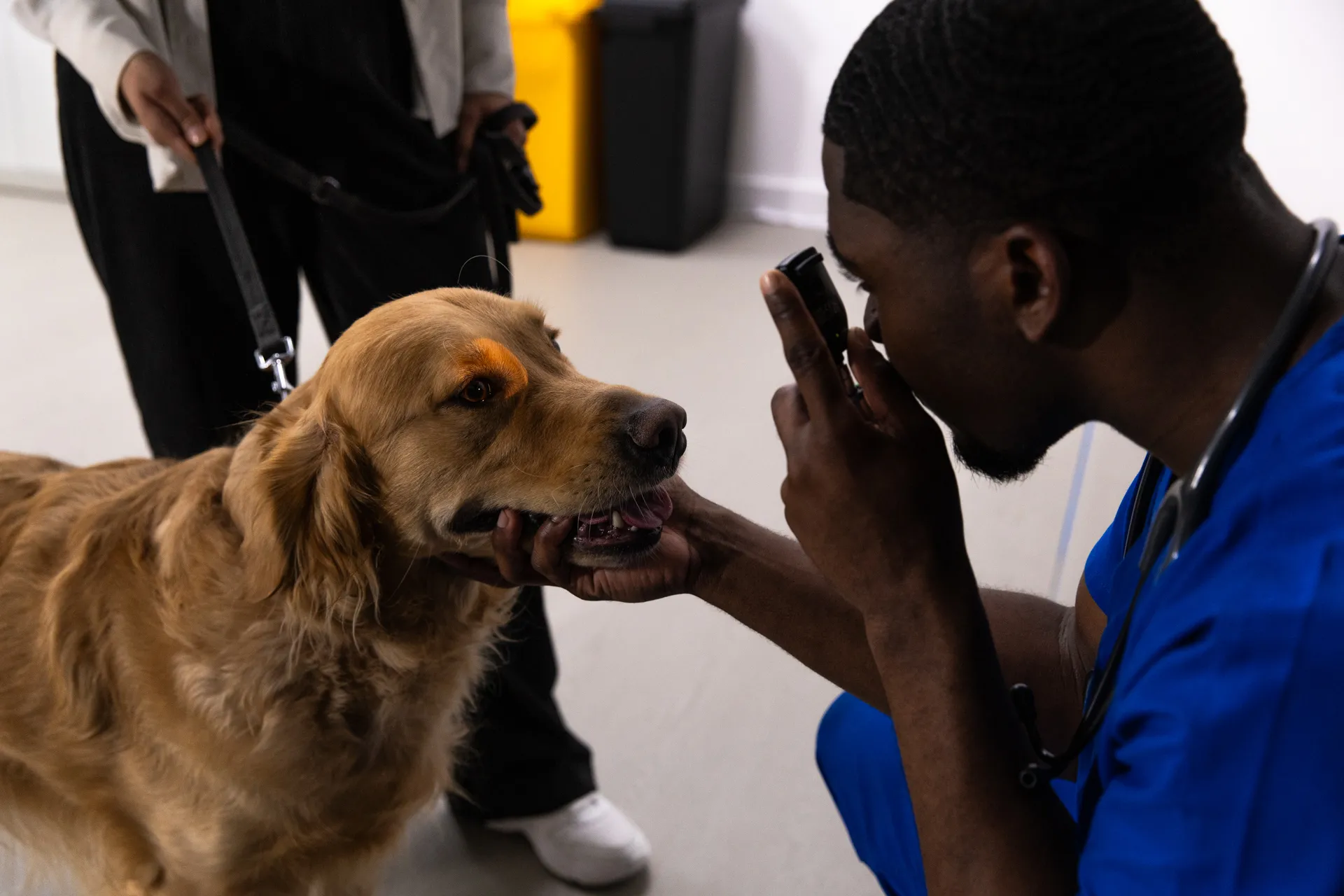
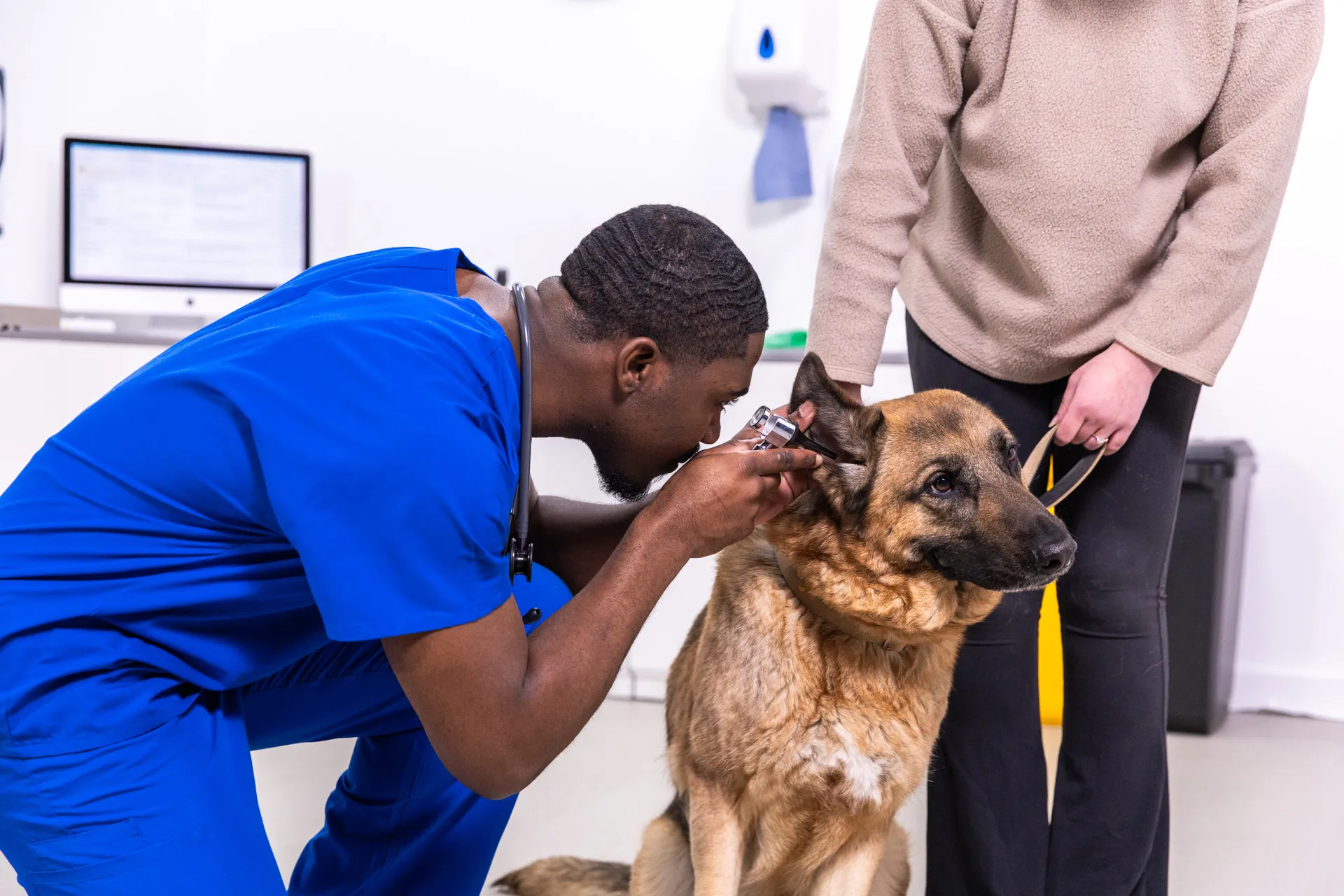
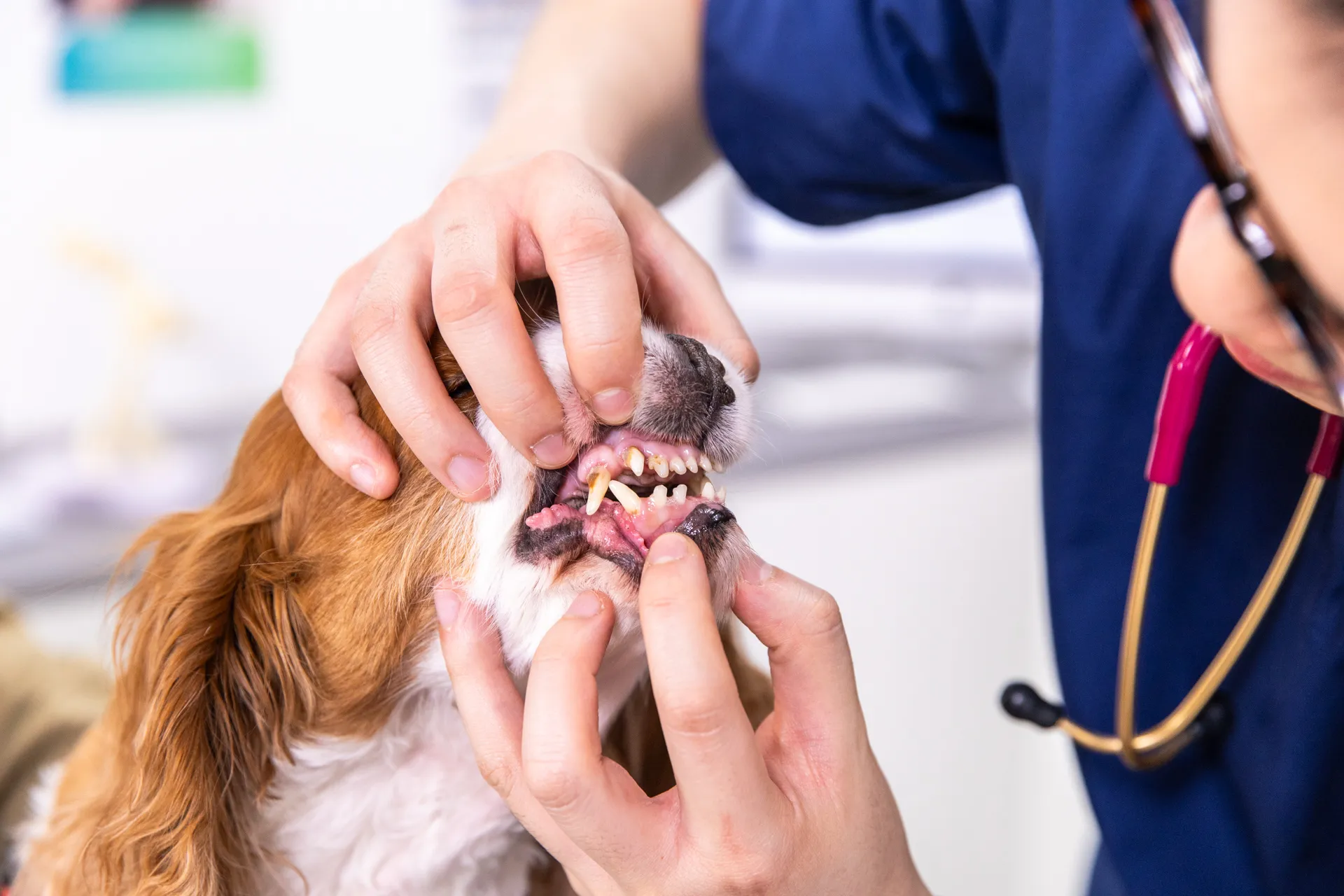
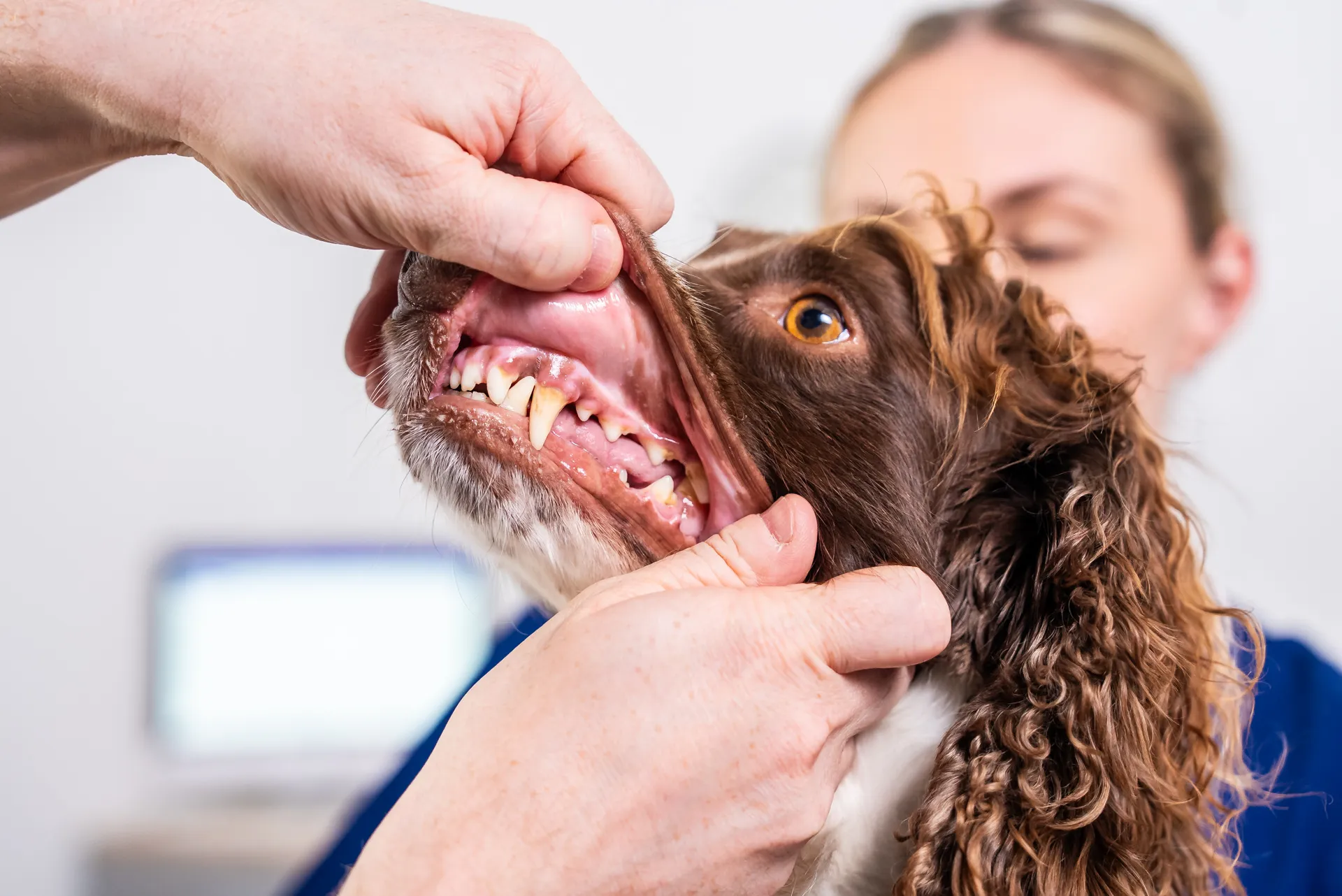
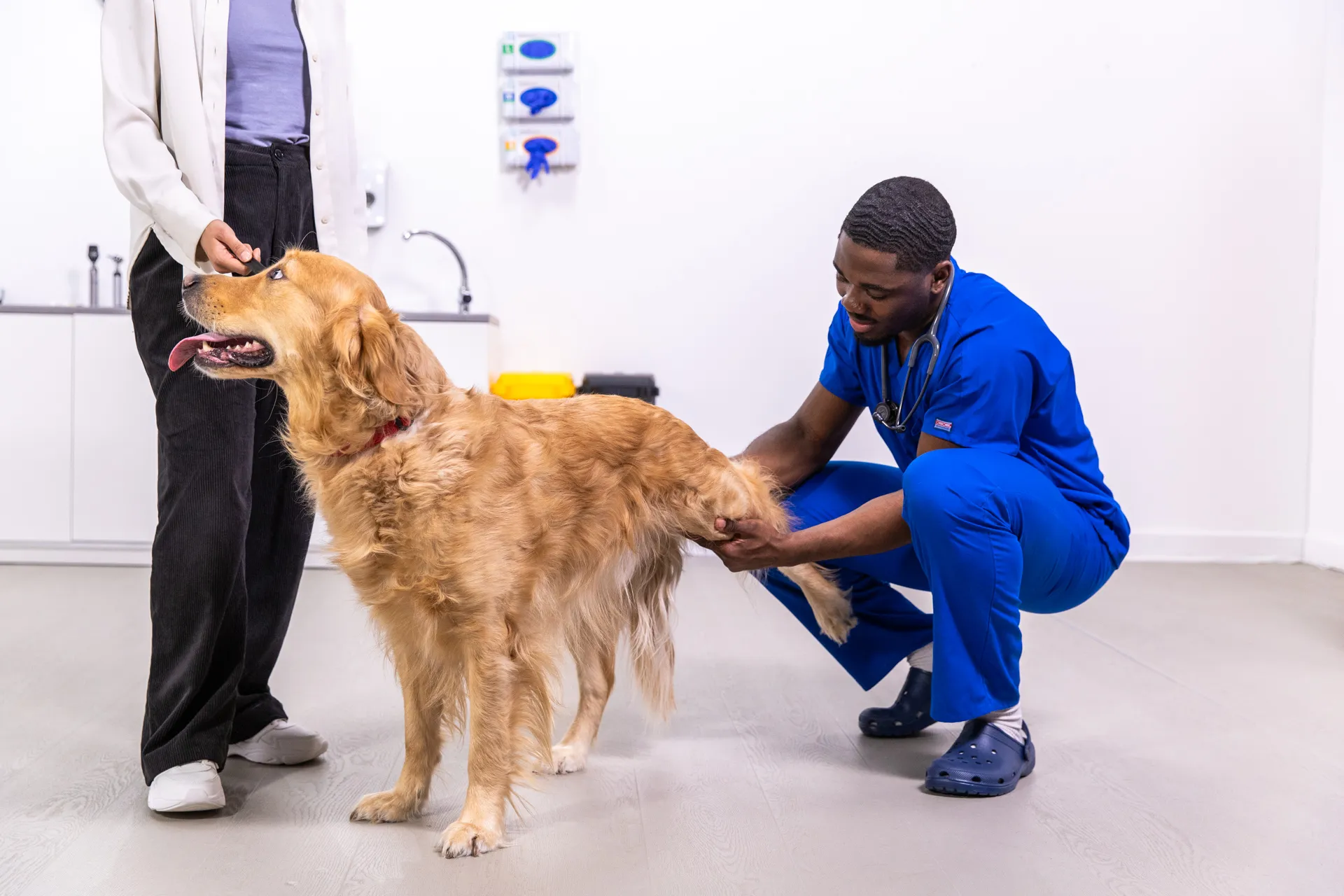
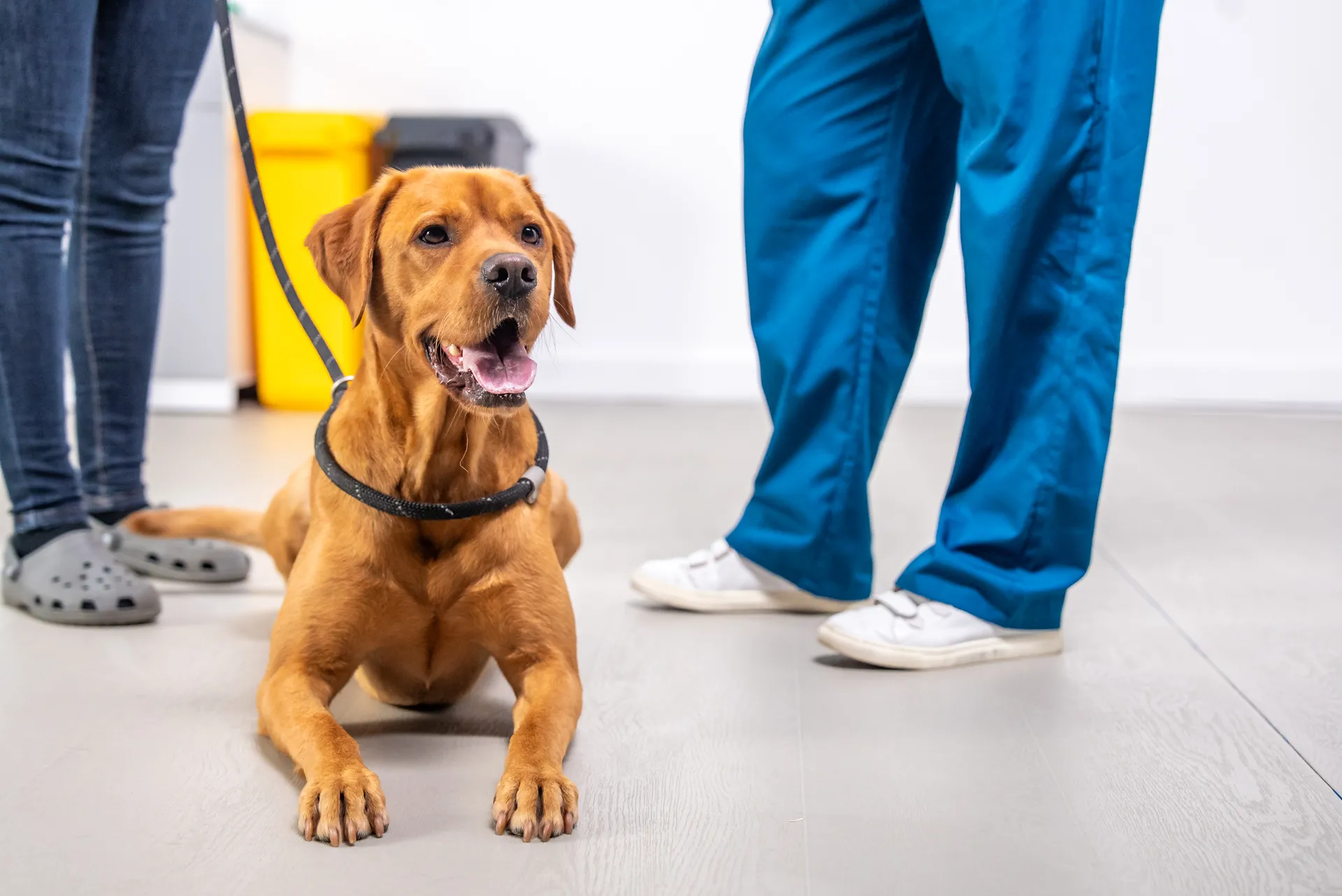
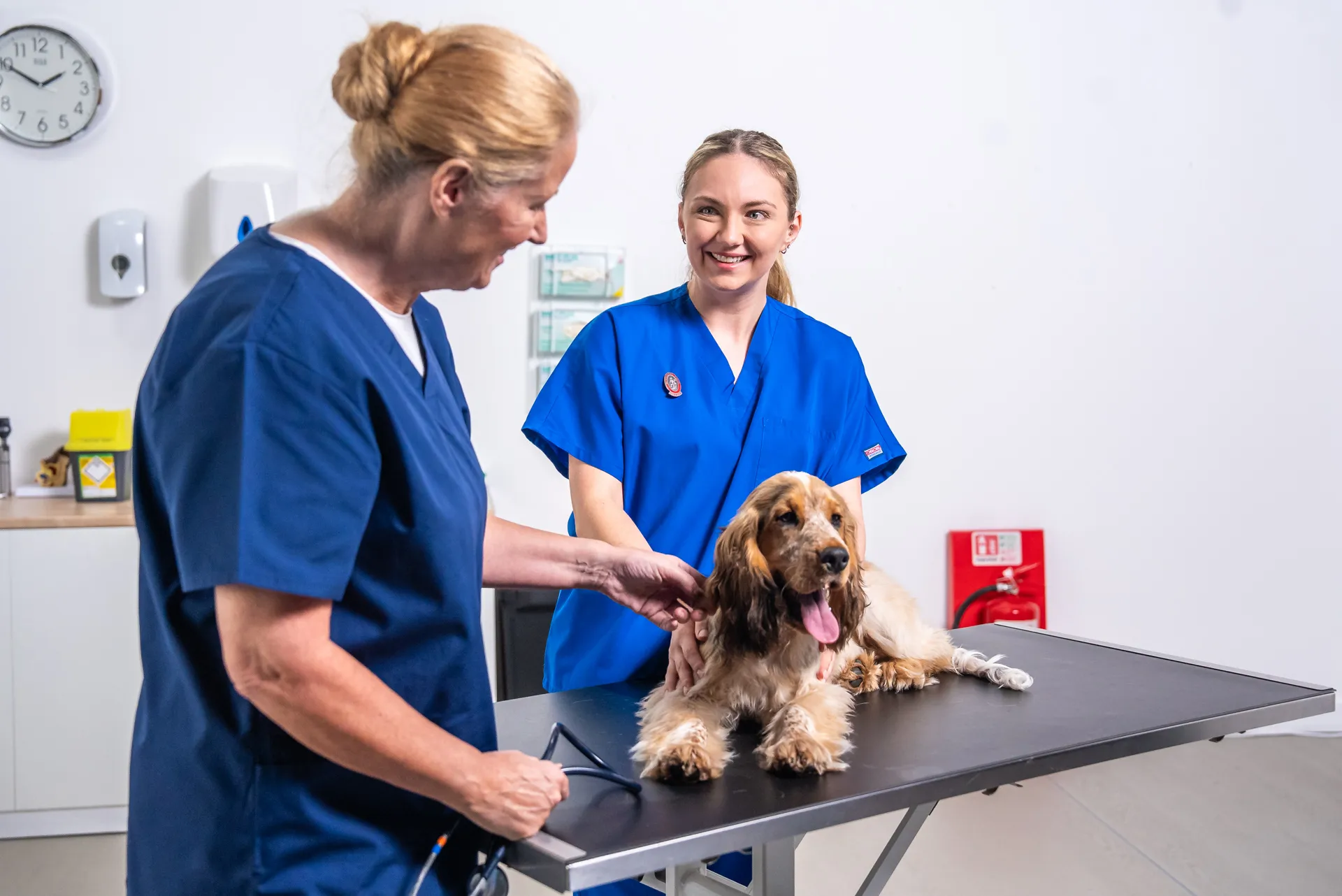
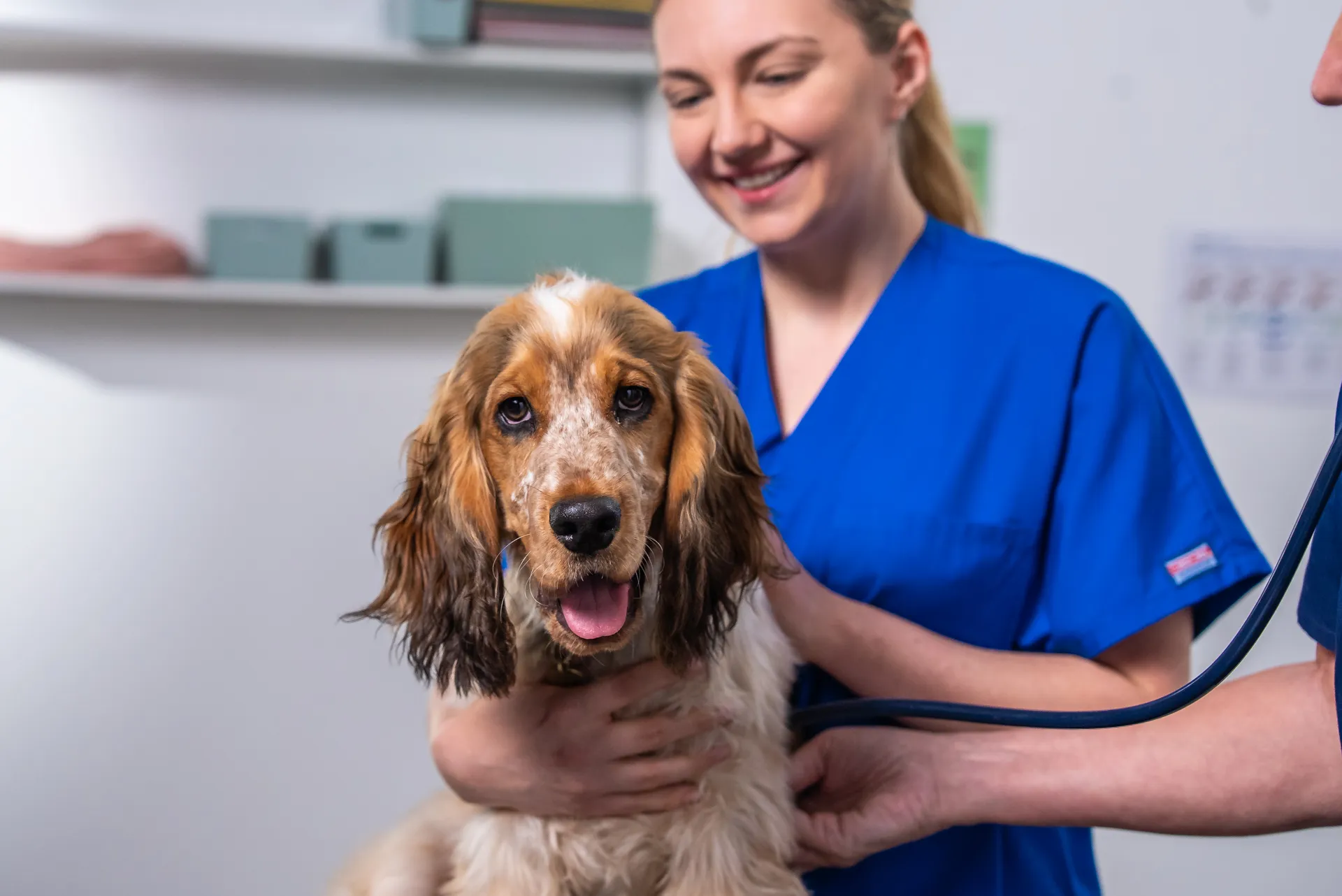
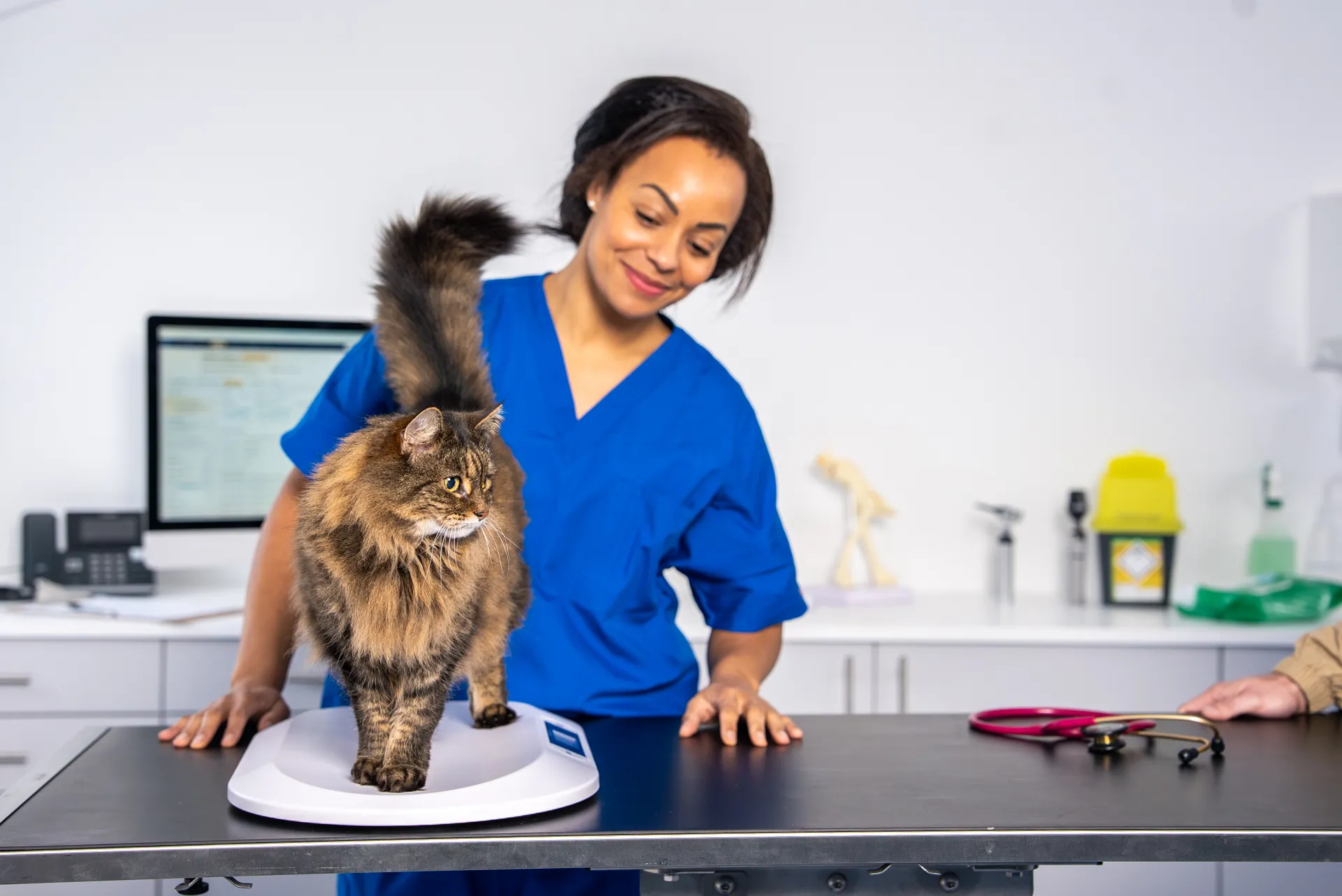
In our studio, creating authentic clinical training environments is fundamental. We replicate the right setting, choose animals with appropriate age and signalment, ensure correct handling, and always involve qualified veterinary professionals.
This realism does more than just look good on screen - it helps learners trust what they’re seeing. It creates a bridge between visual learning and clinical reality, making the content not only engaging but genuinely useful in practice.
It’s the veterinary knowledge that makes this possible; knowing which props to use, where to place them, how to handle equipment, and how to move naturally within a theatre setting all make a huge difference to the outcome of the video.
Building with Learners in Mind
Veterinary training often involves complex learning curves and moments of cognitive overload. That’s something we’ve experienced first-hand, both as educators and as learners.
Drawing from that experience, we design our training content with empathy. We structure programs so that core skills are built progressively before moving into advanced topics, and we use clear anatomical diagrams and schematics to simplify complex concepts.
Having been a new graduate vet myself, and understanding what it’s like to feel overwhelmed - particularly as someone who’s dyslexic - I know the importance of content that builds confidence rather than confusion. That perspective shapes everything we produce.
Creative and Production Expertise
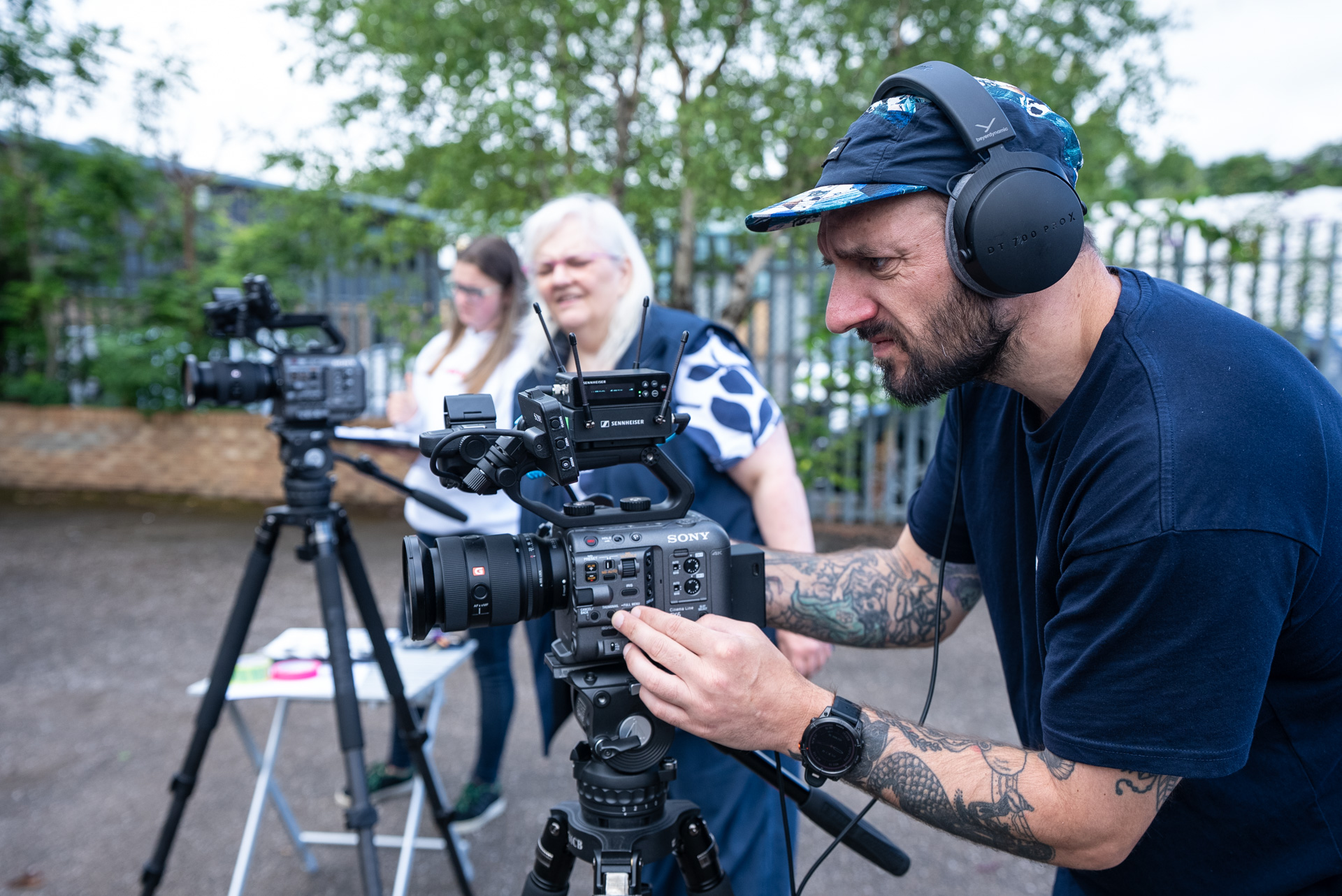
Finally, there’s the team that brings everything to life: the creative and production professionals. Any creative project can’t succeed without them.
They know how to achieve high production standards, enhance the visual quality, understand project limitations, edit, and organise complex workflows. They take all the veterinary knowledge, educational insight, and storytelling strategy and turn it into a tangible, polished product.
It’s this combination - the science, the story, the respect for the audience, and the production expertise - that creates creative veterinary work that truly resonates, educates, and engages. Remove any one element, and the final output falls short.
The Intersection of Science, Strategy, and Storytelling
Ultimately, great creative work in animal health isn’t about choosing between creativity and science - it’s about bringing them together. It’s where strategy meets storytelling, and where clinical knowledge supports visual and emotional impact.
That’s the space we work in every day: translating veterinary science into communication that connects, educates, and inspires.