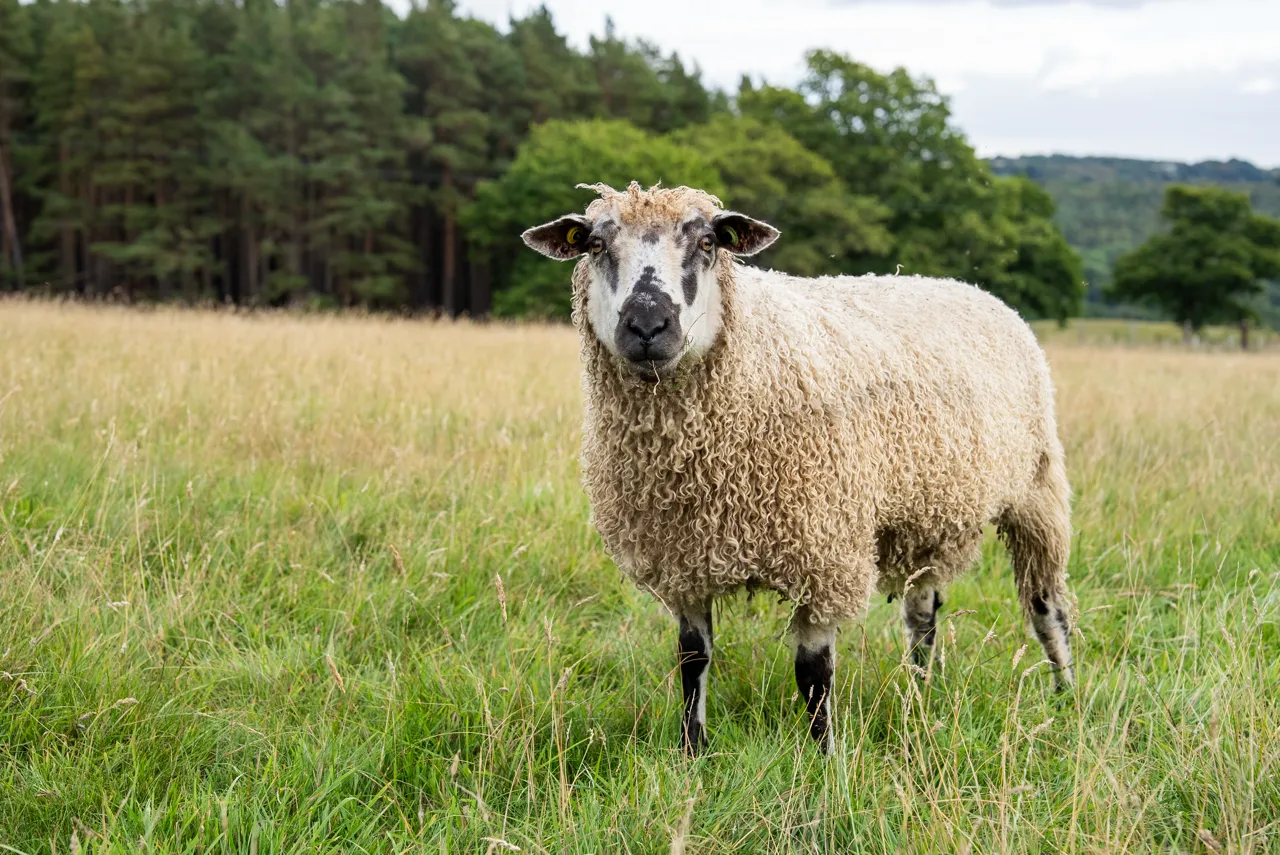
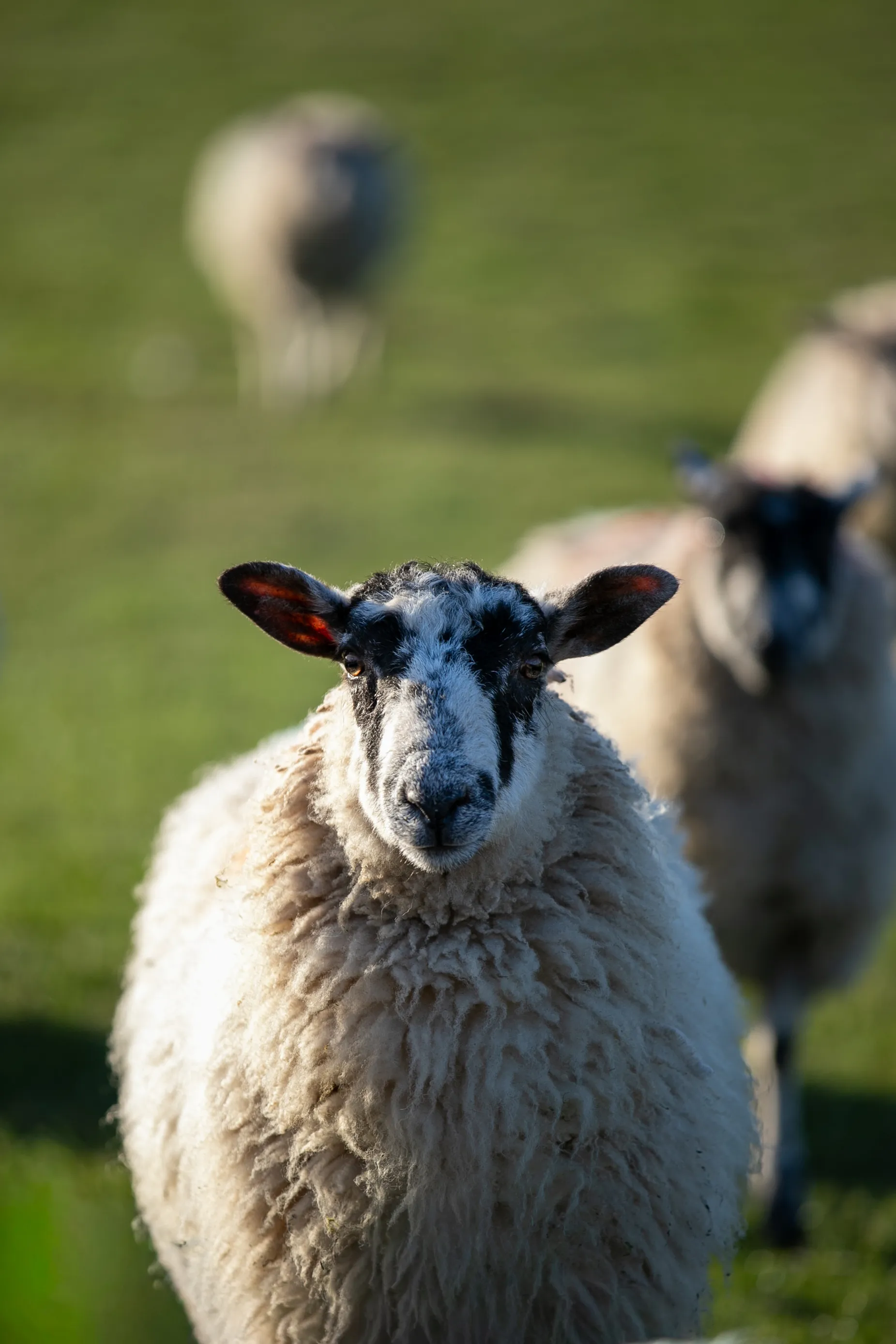
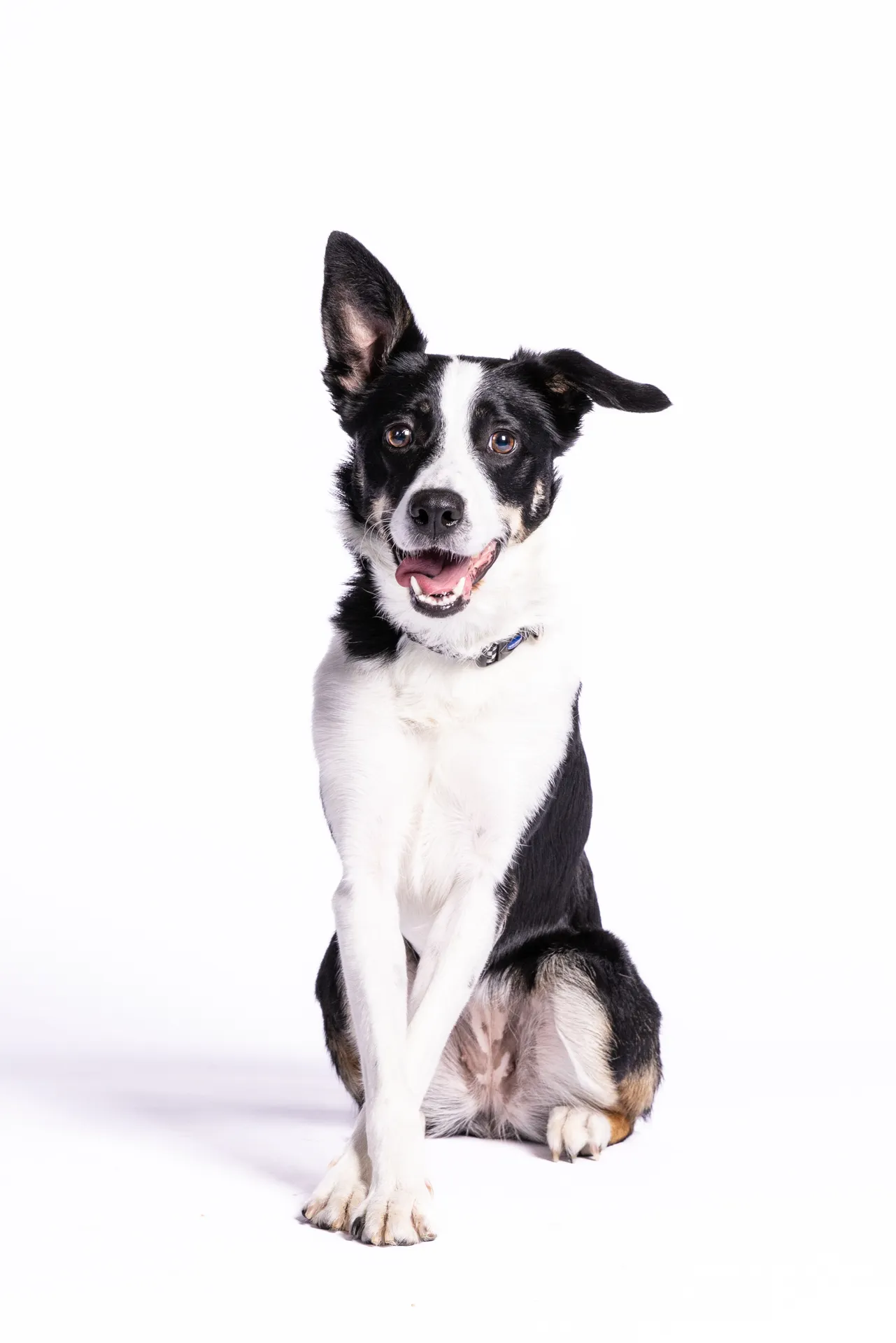
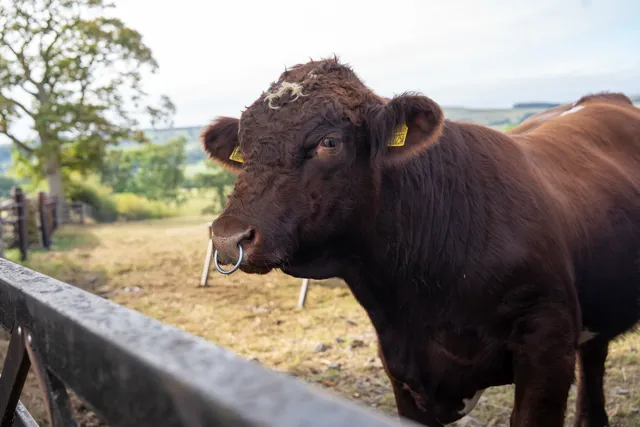
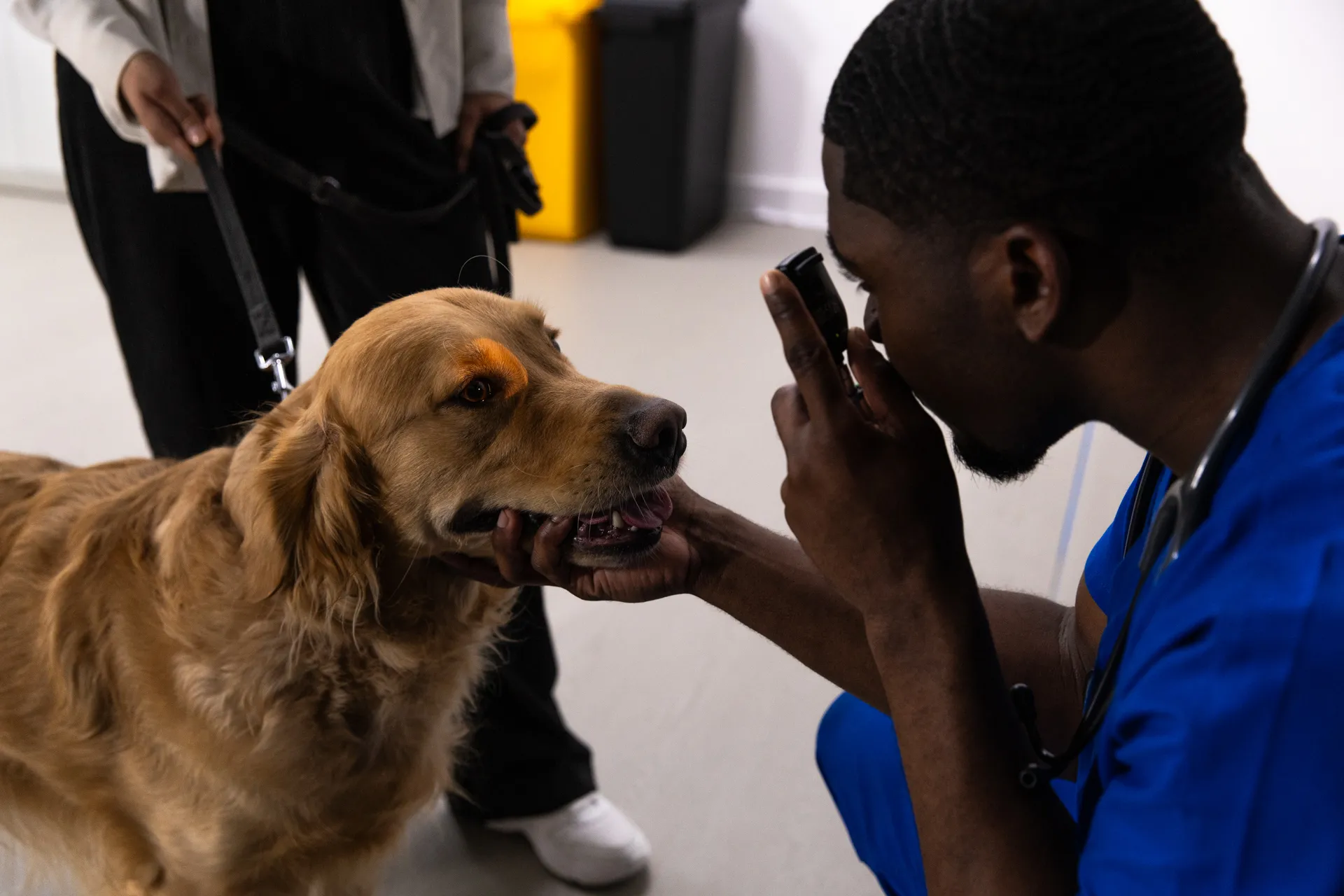
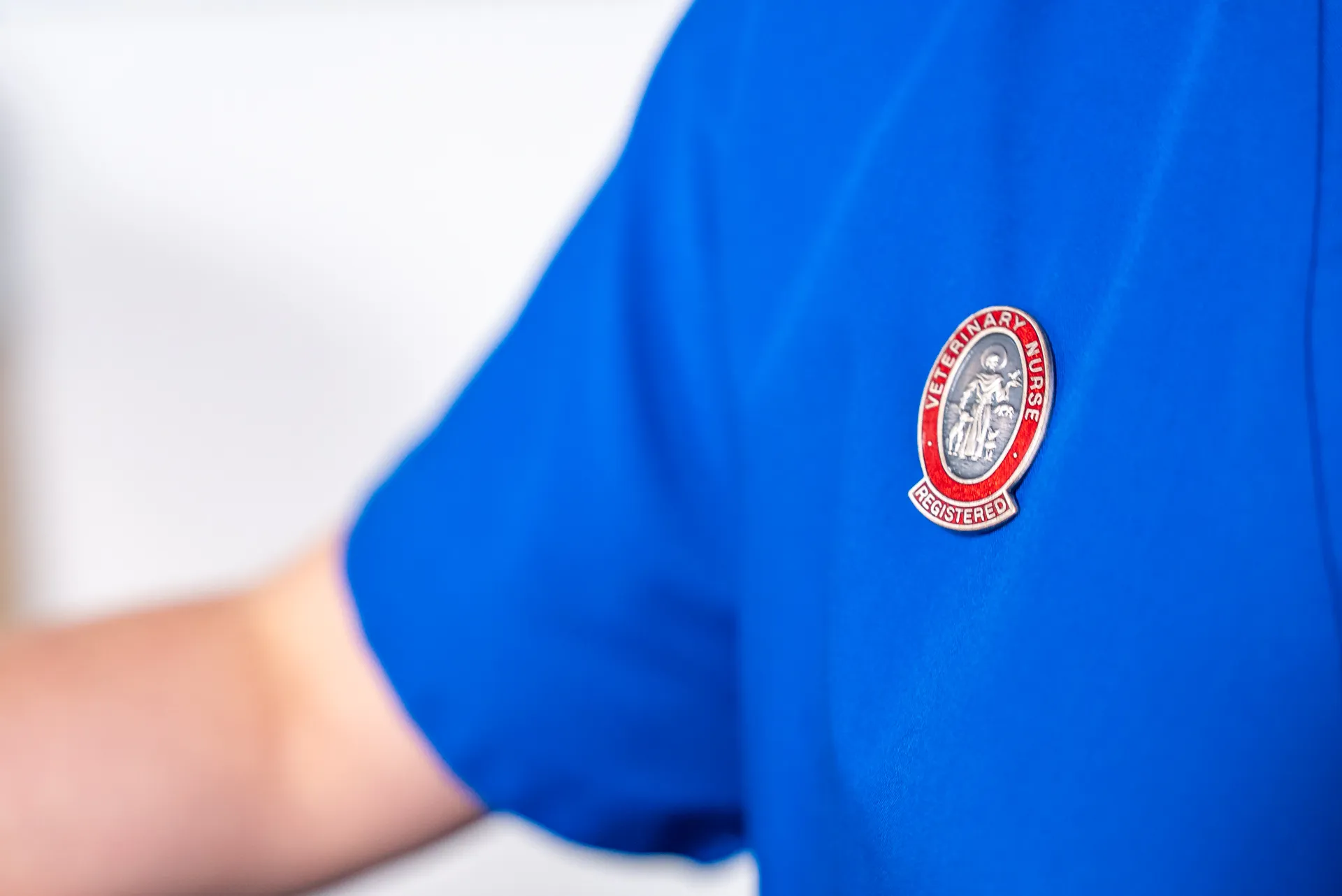
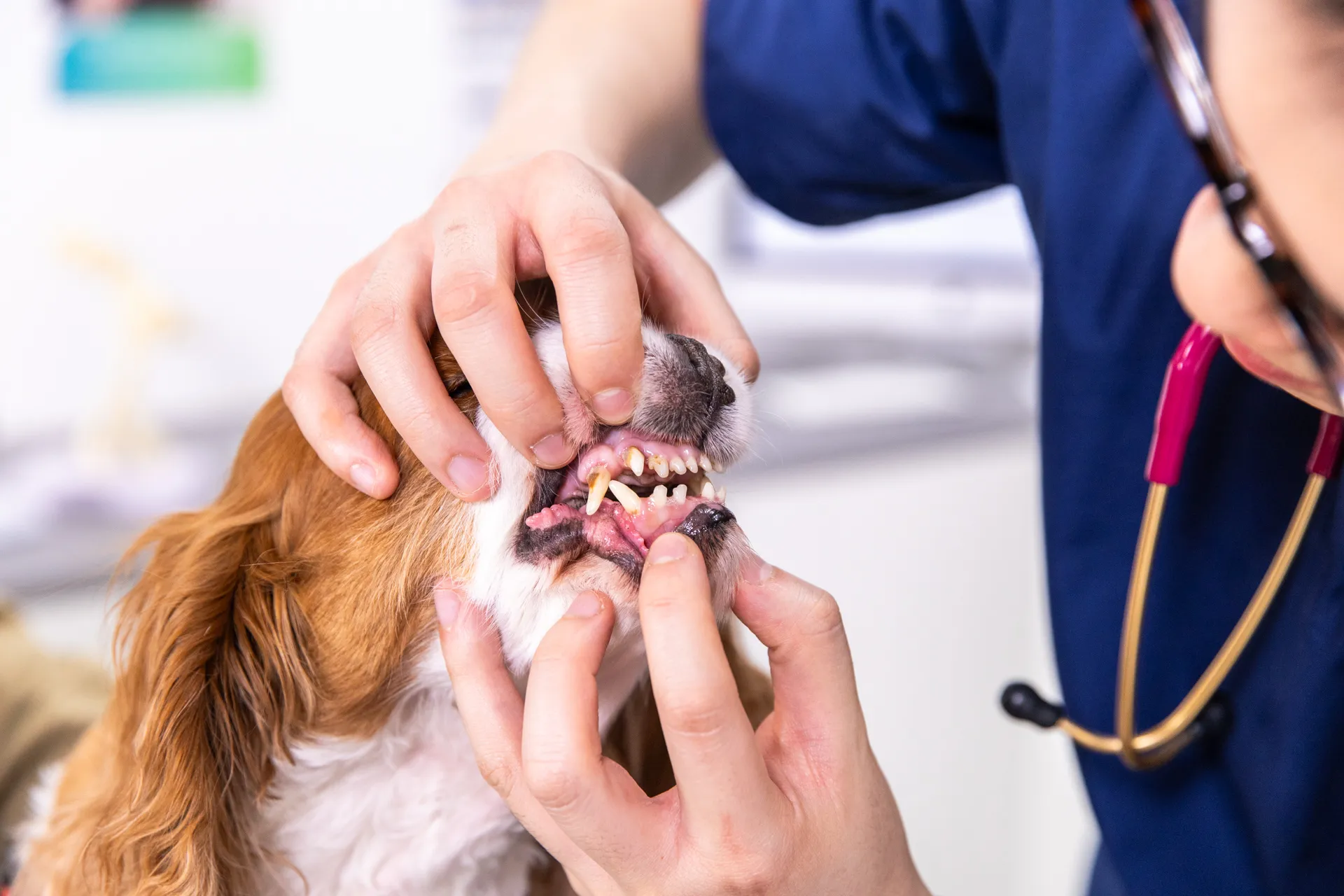
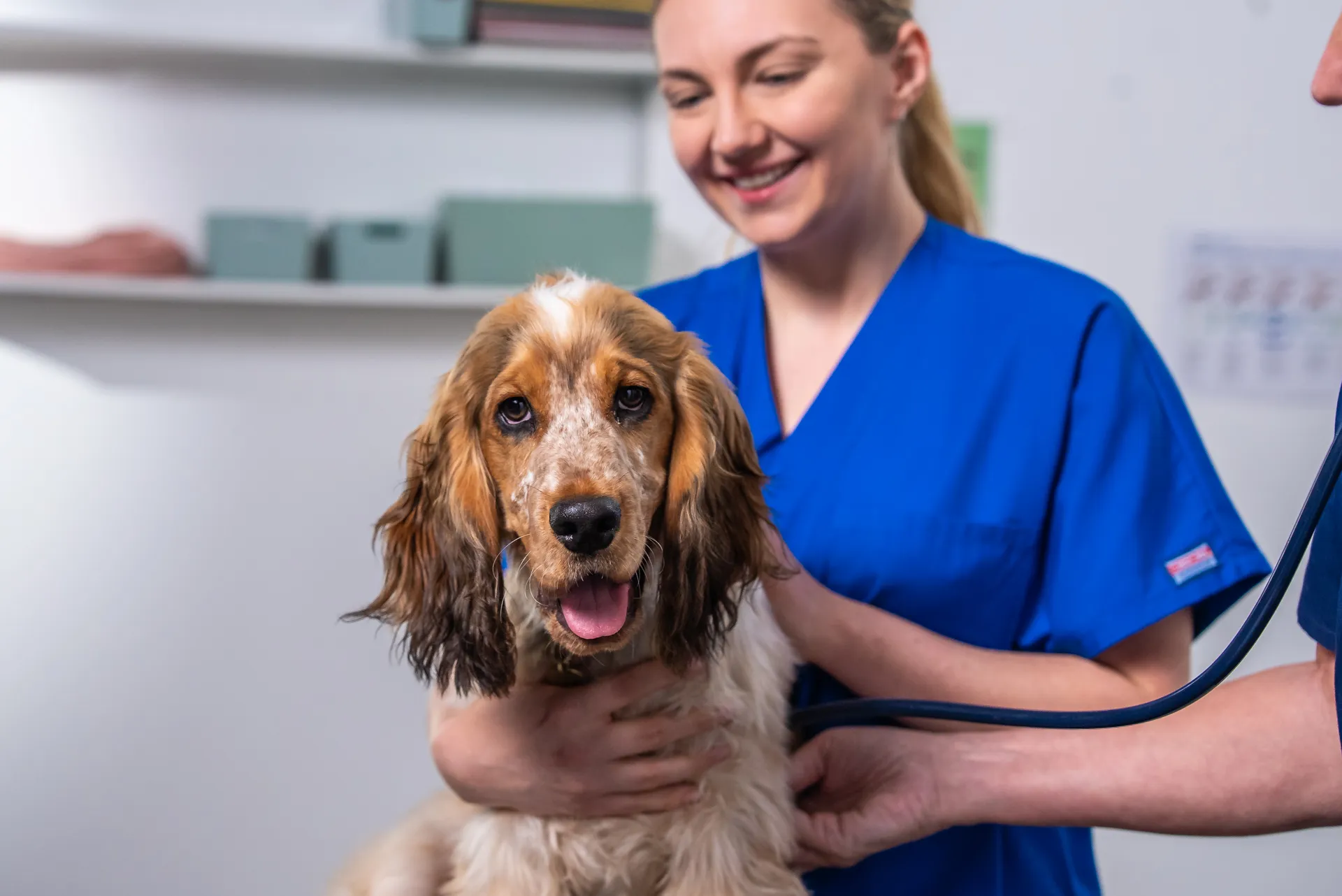
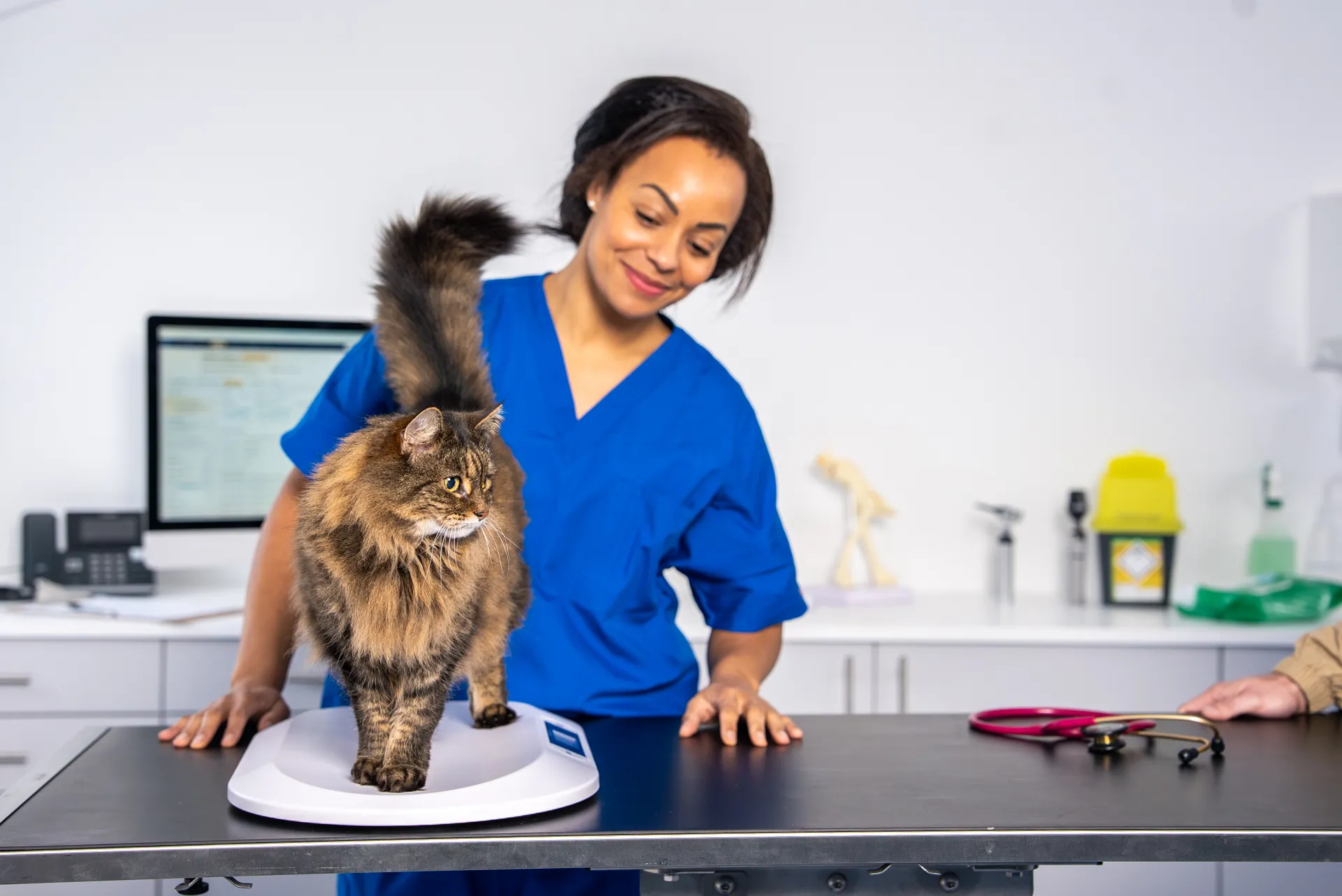
When you're developing a new campaign, product or piece of educational content, it's easy to focus most of your attention on the words. What are the key messages? What are the claims? What does the audience need to know?
But before your audience has read any of that, they've already seen your visuals and have started to form opinions about your product.
And that's why getting your imagery right matters.
Your visuals are often your first impression
People process visual information incredibly quickly, so your imagery is often one of the first things your audience will respond to. In animal health, where your audience is highly trained and highly observant, this can be particularly important.
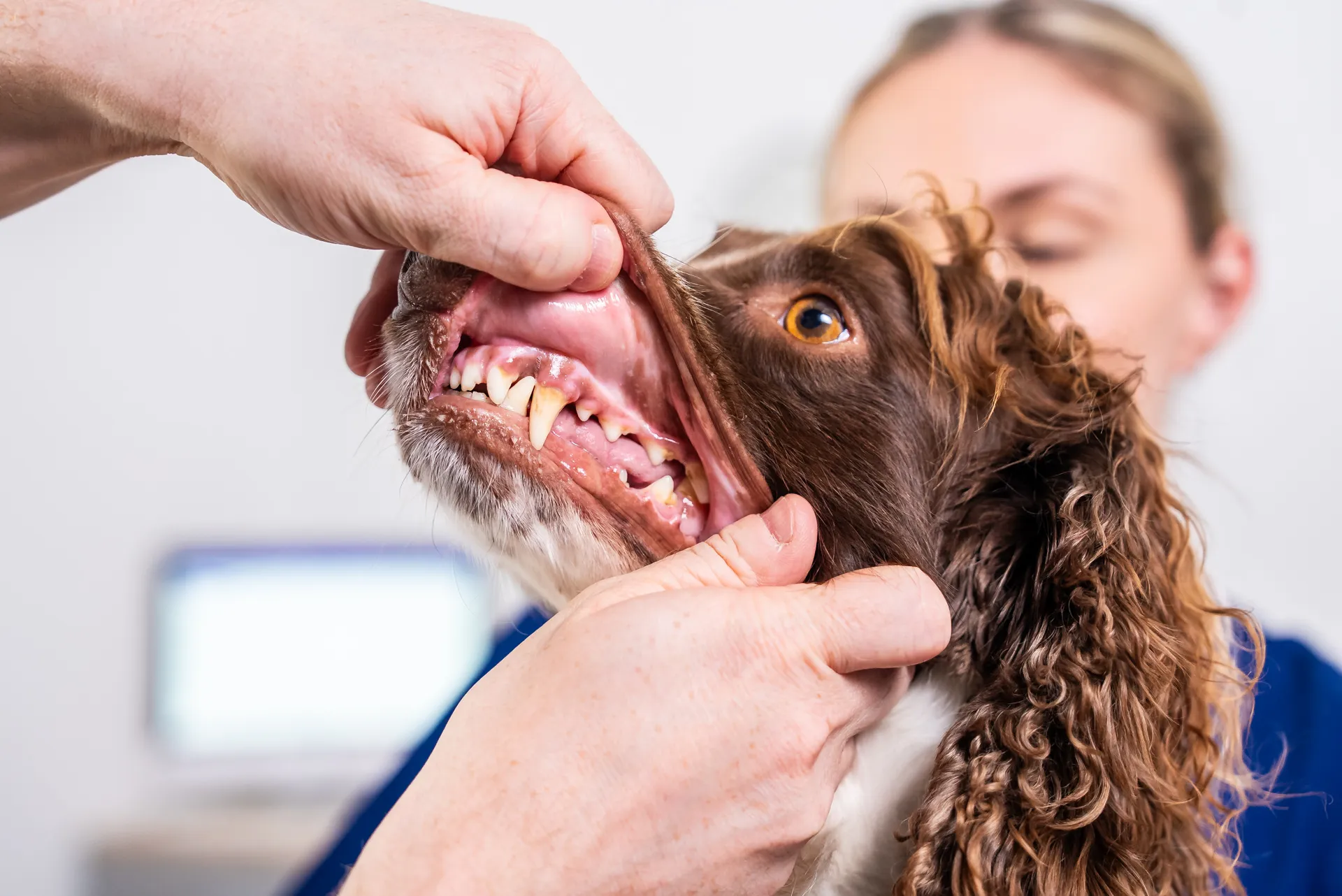
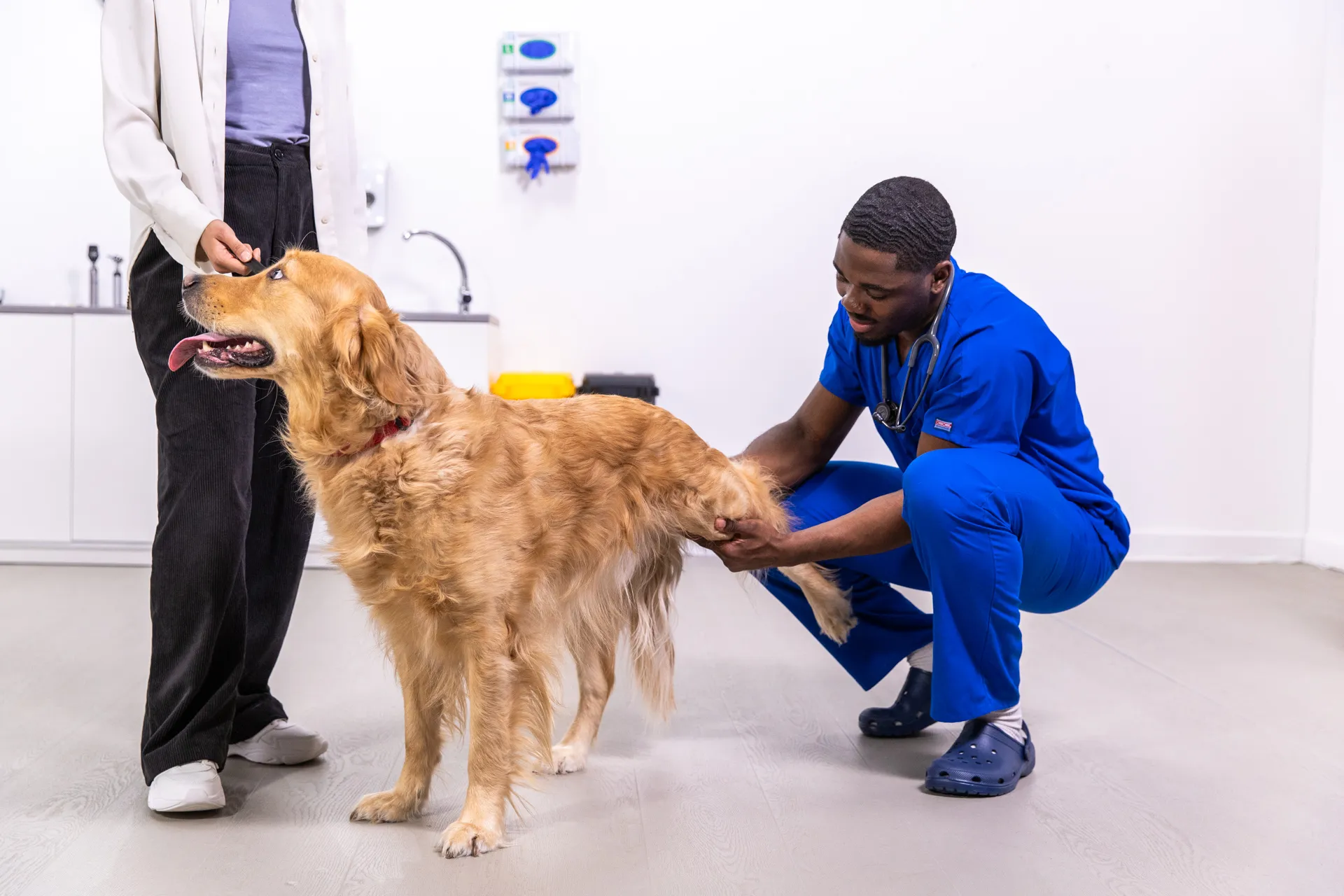
Veterinary professionals know what a clinical environment should look like. They know how animals should be handled, what equipment should be used and what a particular breed or clinical scenario looks like in real life. If your imagery gets these details right, it can immediately signal that you understand their world and respect their expertise. Get them wrong, and you risk creating doubt before your audience has even read your message.
Your visuals don't need to explain everything, but they do need to support the story you're telling.
Look beyond whether an image looks good
When you're choosing imagery, it's easy to ask:
Does this look good?
But there's another question that is arguably much more important:
Does this look real?
Situational realism is about more than whether an image looks professional or aesthetically pleasing. It's about whether the situation you're showing feels credible to the people who are actually living it (your audience).
Is the animal the right age, breed or species for the scenario?
Is the equipment appropriate?
Is the environment realistic?
Is the animal being handled correctly?
Does the interaction between the people and animals look natural?
Would this actually happen in a veterinary clinic, on farm or on an equine yard?
These details matter because your audience is looking at more than a photograph. They're looking at a situation they recognise. If that situation feels familiar and authentic, they can place themselves within it. If it doesn't, the image creates distance.
This is particularly important when you're marketing products in a specialised industry like veterinary and animal health. The details in your imagery can actually show your audience that you understand their world, their struggles, their desires, and that you can help.
Every image tells a story
There's another layer to choosing the right visual, and that's the story it tells.
Every image carries a narrative, whether you intended it to or not. You might choose a photograph because it looks professional, because the colours fit your brand or because there's plenty of space for your headline. But there are things you need to ask yourself about what is actually happening in that image.
What is the person feeling? What has happened immediately before this moment? What might happen next? And, importantly, can your audience see themselves in that story?
Let's say you've launched a new joint supplement for dogs.
What kind of story does the image need to have? We would want that image to represent the future desired state. This would be an image that shows an animal feeling better, getting back to what they could do previously.
Lets have a think about what this might look like.
It might be an elderly dog out on a walk, looking content and relaxed. The story here shows a dog that’s lived to a good age, and it’s still healthy, strong and able to go out on walks with it’s owner. It communicates the story to the audience that they want to be in; living with their elderly dog who is still happy and enjoying walks and being mobile.
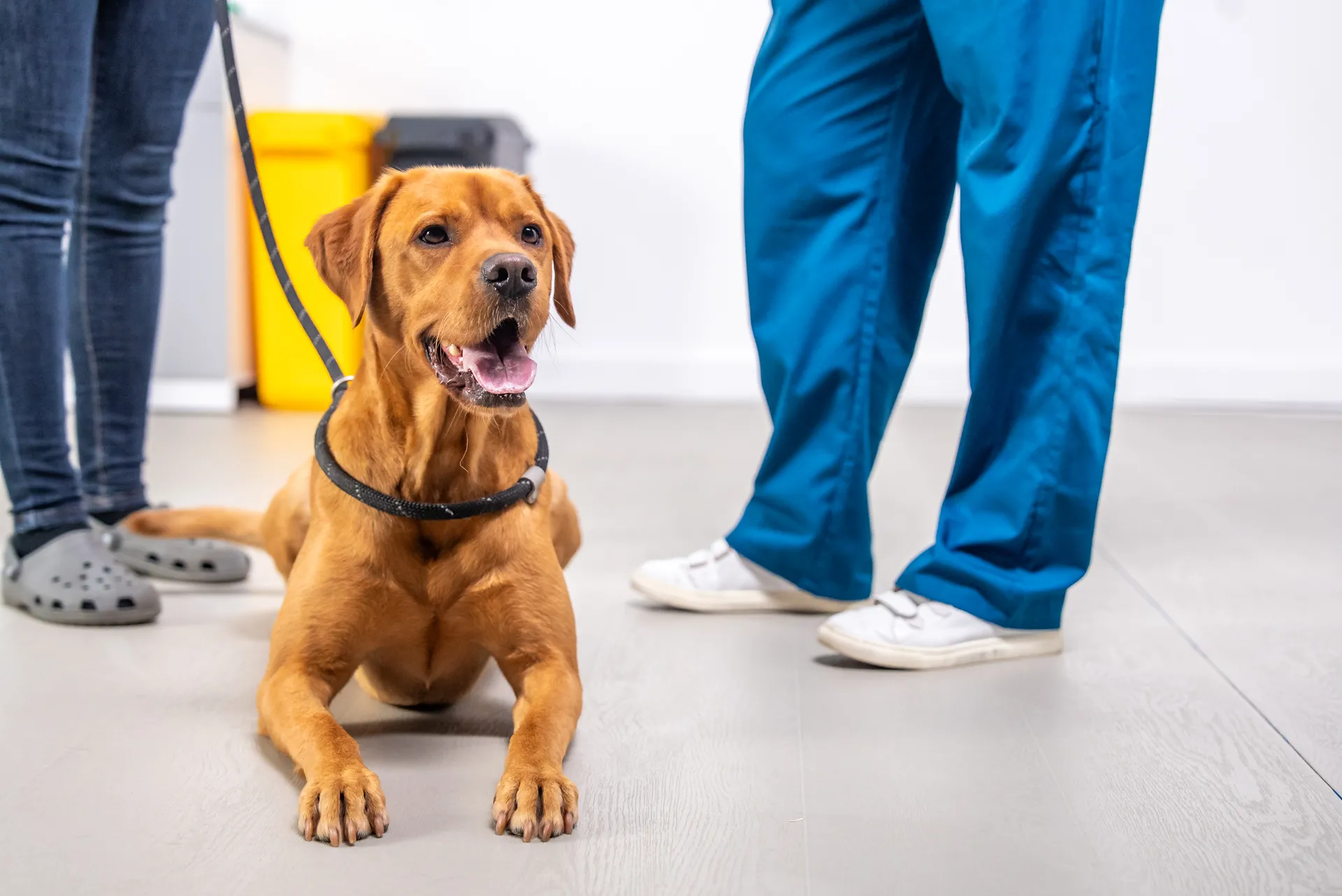
It could be an image of an older Labrador getting ready to go out with their owner. The dog looks happy and eager to go out, and the owner is preparing to head off together. The story here is subtly different. This is a dog who may have previously struggled with mobility, now getting back to doing something they enjoy with their owner.
These stories are close to the reason someone might actually be looking for a joint supplement in the first place. And, integral to this, they look and feel realistic.
The same thinking applies to clinical imagery.
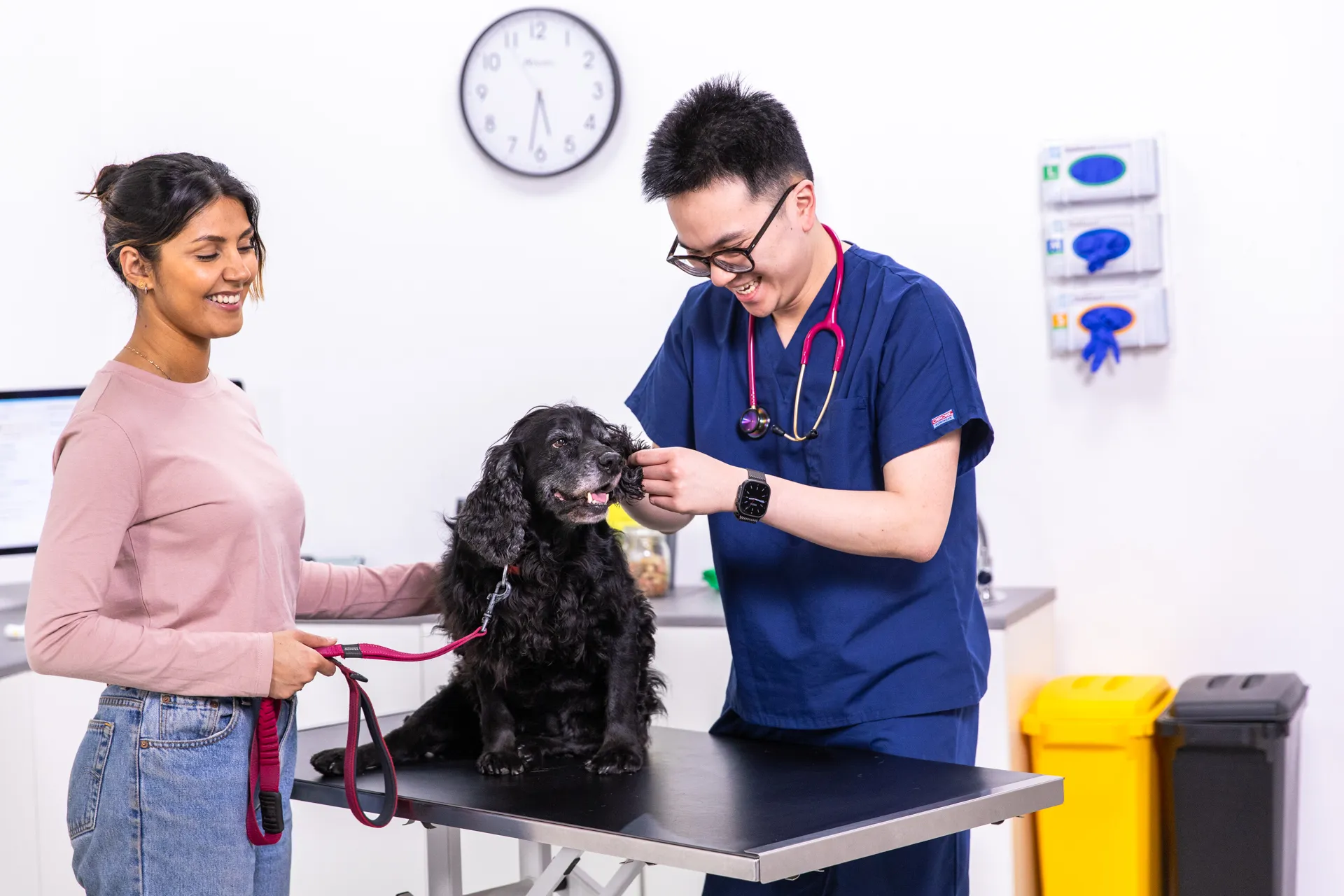
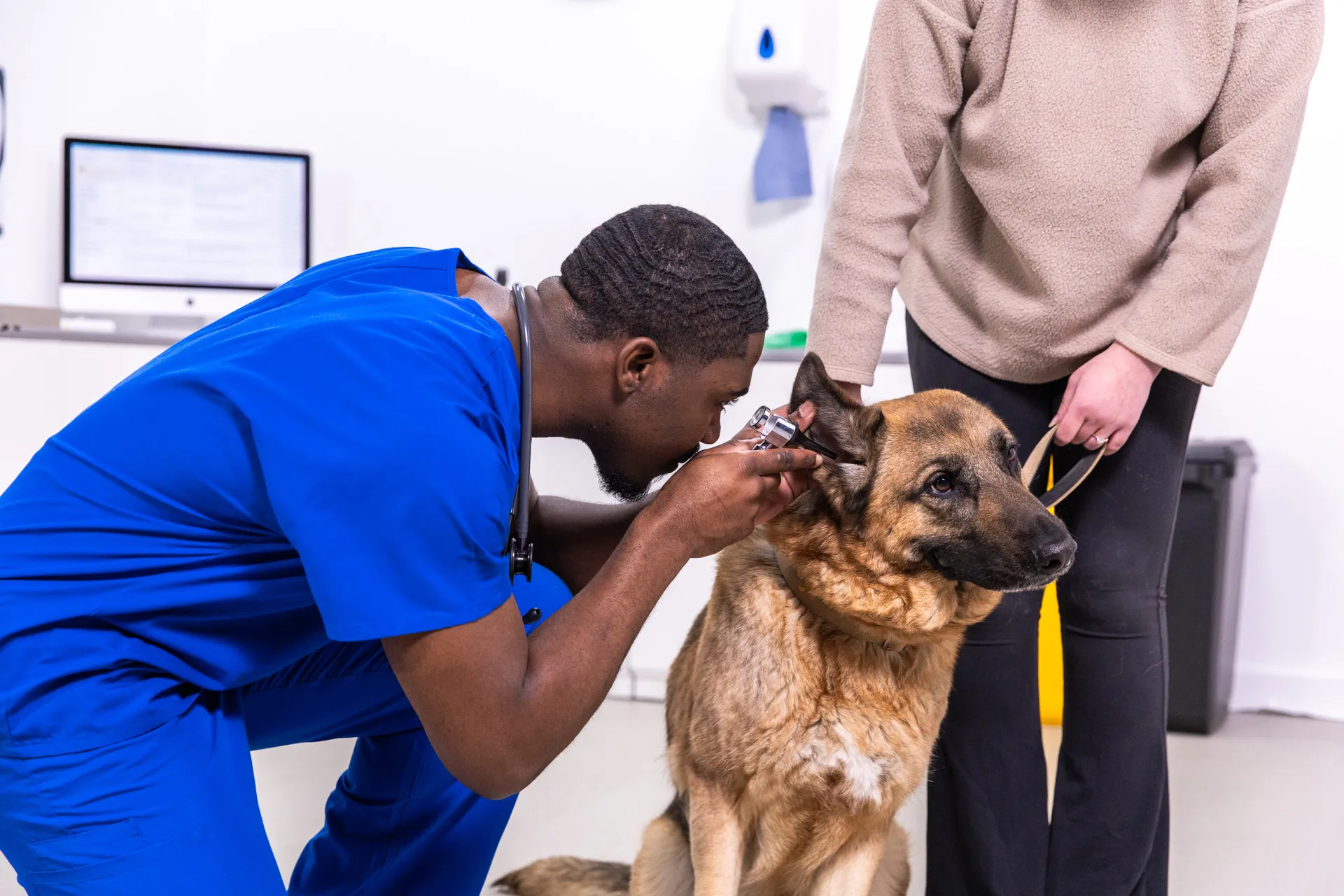
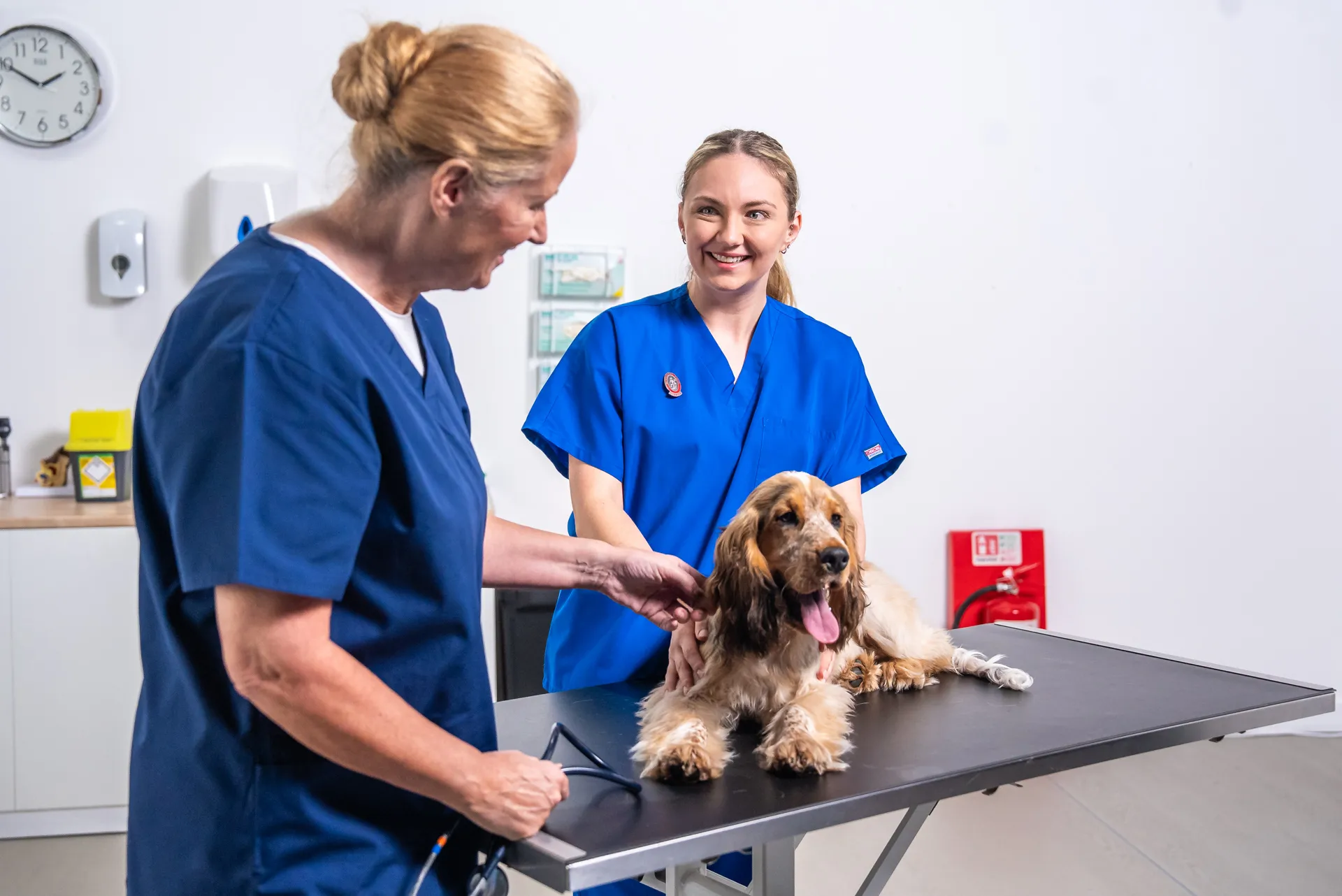
Take this image bellow, for example. At first glance, it clearly shows a vet examining a dog's ear while the owner stands with the dog.

But what is the story behind it?
Perhaps this is a much-loved spaniel who has been struggling with recurring ear problems. The owner has brought them back to the practice because the problem has become difficult to manage.
For the vet, this is a familiar scenario. Ear disease is something they see regularly in Cocker Spaniels. They may be frustrated that the condition keeps returning and that finding an effective solution isn't always straightforward.
For the owner, it's a different kind of frustration. Their dog is uncomfortable, and they want to find something that will help.
Both the vet and the owner are looking for the same thing: an effective solution.
If your product is a new treatment for ear disease, this image has the potential to tell that whole story. The audience can recognise the situation, understand the problem and, importantly, see where your product might fit into that story.
Now think about a completely different scenario.
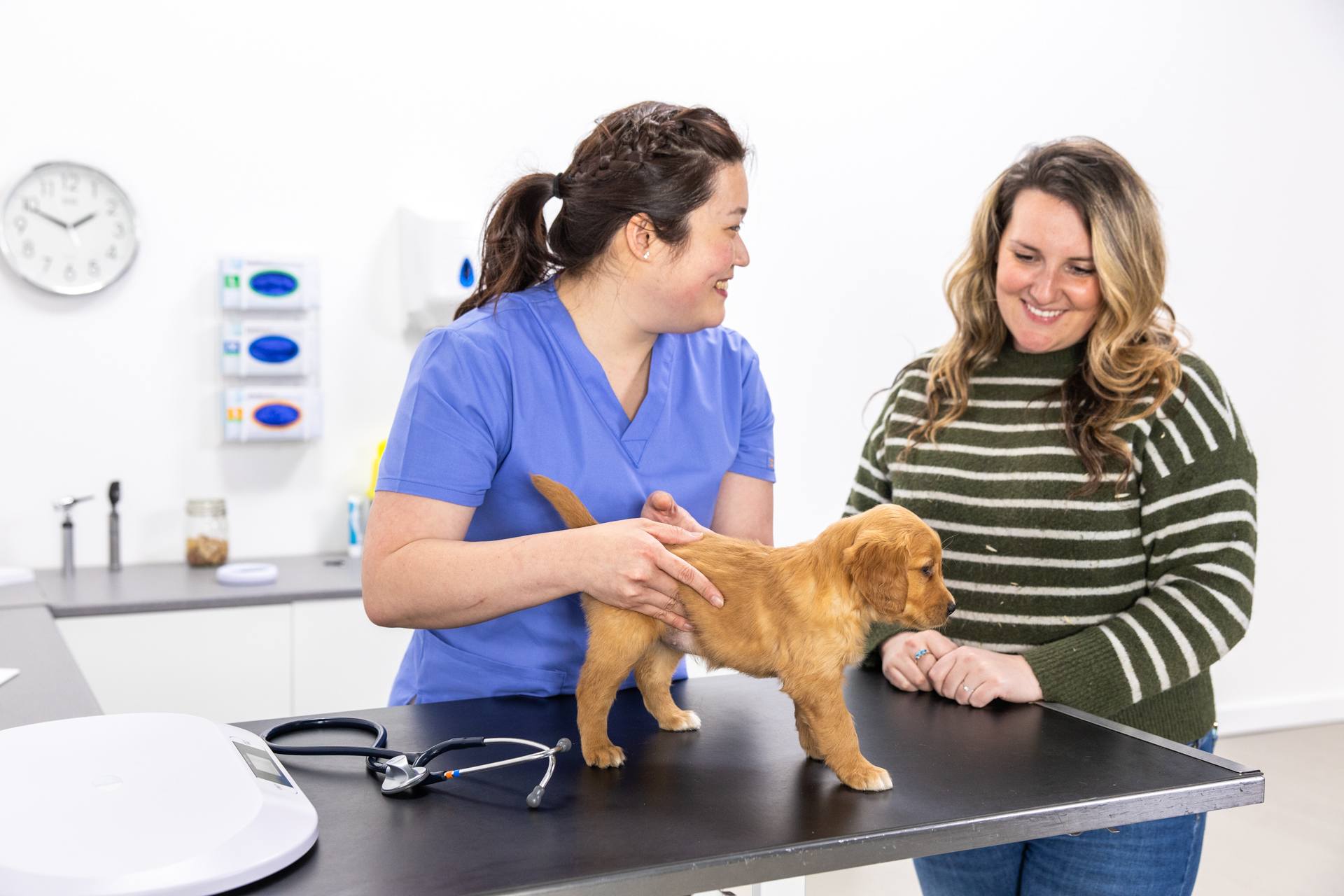
This next image above shows an owner and her puppy in a consultation room, with a vet carrying out the puppy's first check-up.
On the surface, it's a fairly routine veterinary appointment. But again, there's a much bigger story here.
This is a new puppy owner, bringing a new member of the family to the vets for the first time. They might be excited, but probably a little nervous too. They're relying on the veterinary team to make sure their puppy is healthy and to give them all the information they need to get started.
For the vet, this is a routine appointment. They need to carry out the health check, administer the appropriate vaccinations and make sure the owner understands everything from preventative healthcare to feeding, behaviour and what to expect as their puppy grows.
The same image could therefore be used to tell a number of different stories, depending on what you want to communicate. It could support a campaign about puppy healthcare, parasite control or even the importance of building a relationship with your pet owners from the very beginning.
The story doesn't always need to be obvious
And you don't always need people in an image to tell a story.

Take this image of a sheep and lamb above.
What do you think is happening here?
If you look beyond the animals themselves, you might start to think about the wider context.
It's lambing time.
For the farmer, that could mean long days, disrupted sleep and the constant pressure of making sure their ewes and lambs are healthy and maximising lamb survival.
For the vet, it could mean a busy period of farm visits, supporting farmers through difficult lambings.
Suddenly, the image has a much bigger story.
And that story could make the image relevant to a whole range of different campaigns and communications, from lambing advice to products supporting flock health.
The point is that the best image isn't always the one that shows your product or subject most literally. Sometimes, it's the one that captures the situation and the story around it and how your audience experiences that.
What reviewers actually look for
Everything we've talked about so far isn't just theory.
As part of our own research, we spoke to people in a marketing, technical or regulatory roles who regularly review and approve campaign imagery to understand what makes an image feel credible, and what causes it to be rejected.
One thing became clear very quickly, they don't look at an image in a much more indepth way than just: ‘does it look good?’
Instead, they assess it from several different perspectives at once. They're asking whether it supports the campaign message, whether it reflects good animal welfare, whether clinical protocols have been followed and whether there are any legal or compliance issues that have been overlooked.
As one reviewer explained:
"I always put multiple different hats on when I look at an image. Does it support the message? Then I'll look at it from a welfare perspective... then infection control... and finally I'll check there is no GDPR breach."
That way of thinking was reflected throughout the research.
Before reviewers even think about branding or aesthetics, they're looking at the welfare of the animal. Does it appear relaxed? Is it being handled appropriately? Does the interaction look safe? Even something as simple as a dog being positioned too close to someone's face was highlighted as something that could undermine confidence in an image.
Clinical accuracy was another recurring theme. Reviewers in marketing, technical or regulatory roles notice details that many people wouldn't think twice about. A stethoscope positioned incorrectly, poor infection control, a member of staff wearing jewellery in a clinical setting, or equipment being used in the wrong way can all distract from the message you're trying to communicate.
Breed choice also mattered. Reviewers repeatedly raised concerns around selecting breeds with exaggerated conformations, such as brachycephalic breeds, which is one you might be familiar with. But other breeds with exaggerated conformations came up too, such as daschunds, shar pies dogs, and Scottish fold cats. Many preferred to see crossbreeds or animals that represented lower-risk, more typical patient profiles.
Finally, reviewers looked at whether the image genuinely matched the campaign it was being used for. Does the animal fit the clinical scenario? Is it the right age? Is the environment believable? Are there any legal or compliance issues hiding in the background?
Reviewers rarely described themselves as looking for the "perfect" photograph. Instead, they were looking for reasons why an image might undermine trust.
As one participant summed it up:
"I want an image that instantly draws me in, then I'll look at the details of where the risks lie. It's hard to ignore the risks, but in my role I have to highlight them."
The smallest detail can change how credible a campaign feels, particularly to an audience that works in these environments every day.
Match your visual to your product claim
So, how do you take all of this and apply it when you're choosing imagery for your next campaign?
A good place to start is with your main claim or objective. What is this campaign/post/article/advertisement trying to communicate? Then, think about what visual cue could support that message.
Finally, ask yourself:
Does this image genuinely represent the claim I'm making?
Let's take a simple example.
You have a new deworming product, and one of its key claims is that it is highly palatable.
You could choose an image of a dog being given a tablet from someone's hand. It communicates medication administration, but it doesn't necessarily communicate palatability.
Instead, you might choose an image of an owner holding the medication out on an open palm, with the dog leaning in to take it. The dog looks relaxed, the owner looks happy, and the interaction feels easy.
It's a small difference, but the story changes.
Now, you're not just showing a dog being given medication. You're showing an owner who is relieved that giving the medication is straightforward, and a dog that is happy to take it.
The image is supporting the claim rather than sitting alongside it.
That is the difference between choosing a visual that illustrates your product and choosing one that actually helps communicate its value.
A simple checklist for your next campaign
When you're choosing your next set of visuals, try running each image through our CLEAR framework.
C - Clinically accurate
Are the procedure, equipment, animal handling and environment credible?
Would a veterinary professional recognise this as a realistic scenario?
L - Legally and ethically appropriate
Do you have the correct permissions and licensing in place?
Have you considered consent, animal welfare and any sensitive breed or species considerations?
E - Effective for the intended message
Does the image clearly communicate what you want it to?
Does it support the specific product claim or campaign objective?
And does it make sense to the audience you're trying to reach?
A - Aligned with your organisation
Does it fit your brand, tone and visual identity?
Does it reflect the values and standards of your organisation?
R - Ready for use
Is the image technically suitable for where you plan to use it?
Is the resolution high enough?
Do you have the right orientation and enough space for text, logos or other design elements?
Most importantly, ask yourself one final question:
If someone saw this image without reading the copy, would they understand the story I'm trying to tell?
If the answer is no, it might be time to rethink your visual.
Take home messages
Building trust in animal health through your imagery means looking at the smaller details: the images you choose, the situations you show and what you're saying about your brand or product through these images.
When your visuals reflect the clinical reality of veterinary medicine and animal health, you show your audience that you understand their world. And when those visuals support the claims you're making, rather than contradicting or distracting from them, they help create a stronger, more credible campaign.
Because your audience shouldn't have to question whether the image they're looking at is accurate. They should be able to look at it and think:
Yes. That's real. I've seen that. I understand that.
And that's where your visuals can start to build trust.
A note on the imagery in this post
Every image used in this blog was sourced from the Animal Health Image Library, a purpose-built stock library created specifically for animal health, veterinary marketing, communications, and educational teams.
Built around real clinical scenarios, accurate handling techniques and authentic patient profiles, the library was created to help solve the very challenges we've explored in this blog: finding imagery that is not only visually strong, but also accurate, credible and relevant to the animal health industry.