

Picture this
It's 8:15 on a Tuesday morning. A vet opens LinkedIn for the first time that day and starts scrolling.
Within a few seconds they've passed conference photos, colleagues celebrating promotions, recruitment adverts, CPD announcements, practice updates, photos of patients and countless marketing posts, all competing for their attention.
Then they come across your campaign.
They haven't read your headline yet. They haven't looked at your logo. They certainly haven't started reading the copy.
But they've already started forming an opinion.
In milliseconds, their brain has begun assessing whether what they're looking at feels believable, relevant and worth paying attention to.
We often spend weeks refining messaging and perfecting copy. But if the imagery doesn't create the right first impression, your audience may never get far enough to read any of it.
So what is it about an image that makes someone stop scrolling? And why does it matter so much in animal health?
First impressions happen before we consciously think
Before we get into the specifics about imagery, it's worth understanding what the brain is actually doing in that moment.
We like to think we're logical. That our decisions are formed consciously after careful reading and evaluation of information. But actually, research suggests something else.
When you look at the neuroscience studies on this topic, a lot of the research indicates that the brain begins forming emotional and cognitive associations from visual information before we consciously process what we're looking at.
In other words, we don't see an image and then decide how we feel about it. We start to feel something about it almost immediately, often subconsciously.
Research by Dinko Jukić explores how these subconscious responses help shape whether something feels familiar, credible or worth our attention [1]. Our brains are constantly making rapid predictions based on visual cues, long before rational thinking catches up.
This isn't just theory. Large organisations are actively investing in understanding it.
This isn't just a topic researchers are interested in. According to Neurons, major global brands use techniques such as eye tracking, EEG and facial coding to better understand how audiences respond to visual content [2].
What this all tells me is that as much as we like to think our first impressions are conscious and that we’re able to control them, they’re not as slow or deliberate as we’d like them to be. What they seem to be are much more immediate, and they're heavily influenced by what we see.
So what makes imagery effective?
So, if visuals shape first impressions so quickly, the next question naturally falls into place: What kind of imagery actually creates a positive response?
Research suggests that emotional connection plays a bigger role in engagement than purely rational messaging. Content that feels authentic and human tends to perform better than content that feels overly polished or distant [3].
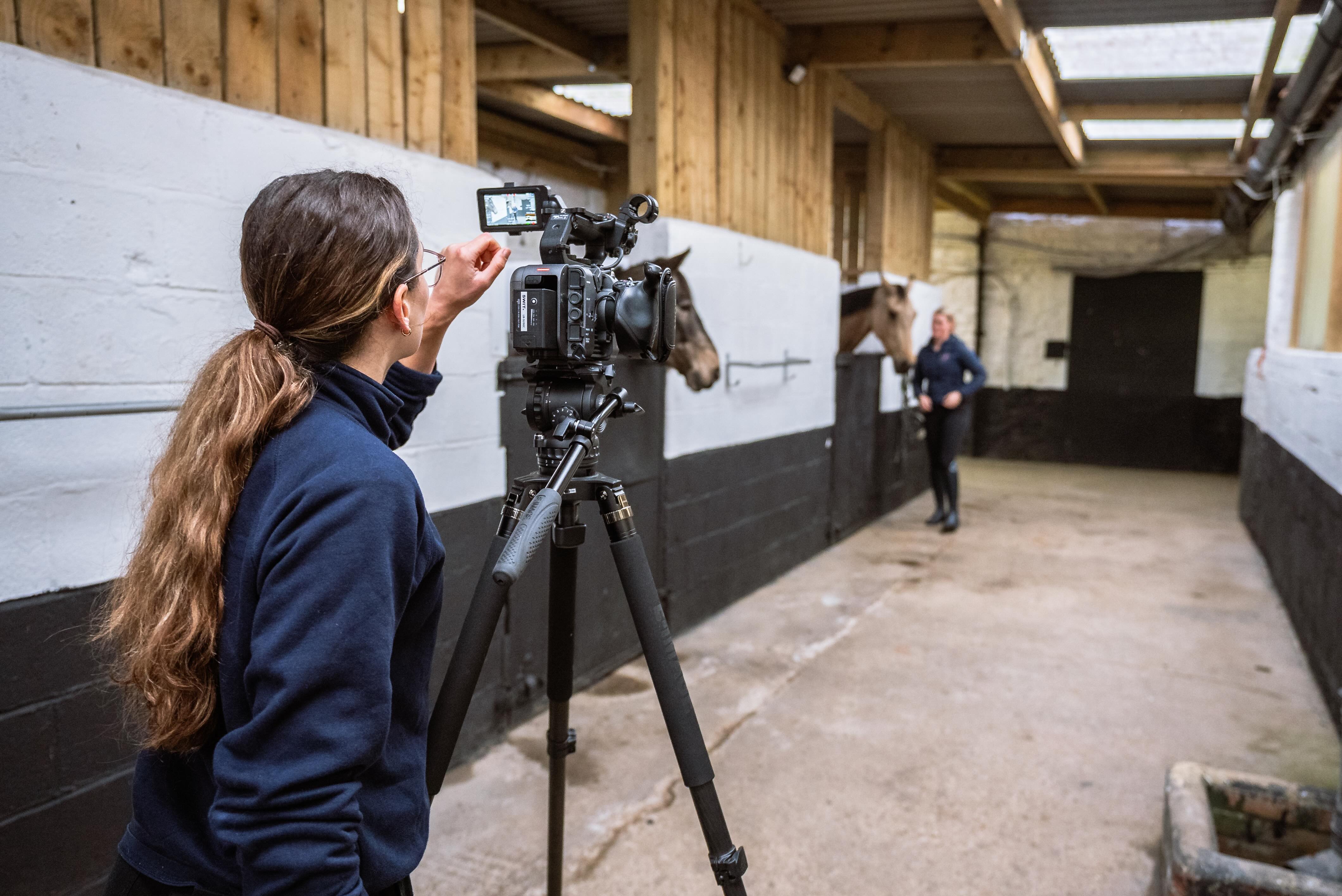
We can see this reflected in how social media content is evolving. More brands are moving away from corporate messaging and towards content like real customer stories, employee-generated content, testimonials filmed in real environments, and behind-the-scenes practice moments.
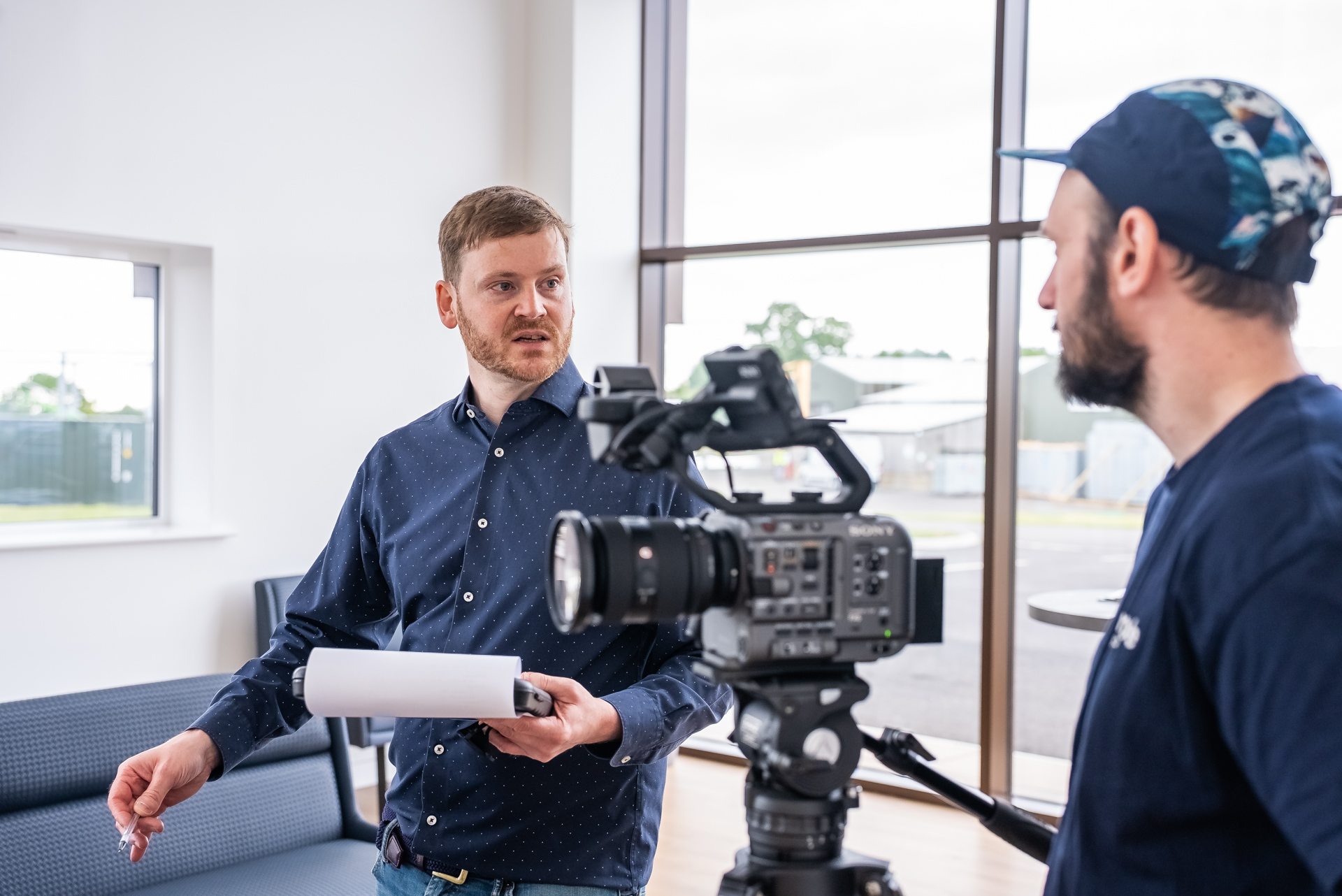
This isn’t because production quality doesn't matter, as the founder of a communications company that produces high quality video and photo, I see the benefits of this each day. The reason for it is relatability.
In the same way that stories help through making your audience experience and relate to what you’re saying, authentic visuals do this too. People connect with reality, and the same applies to imagery.
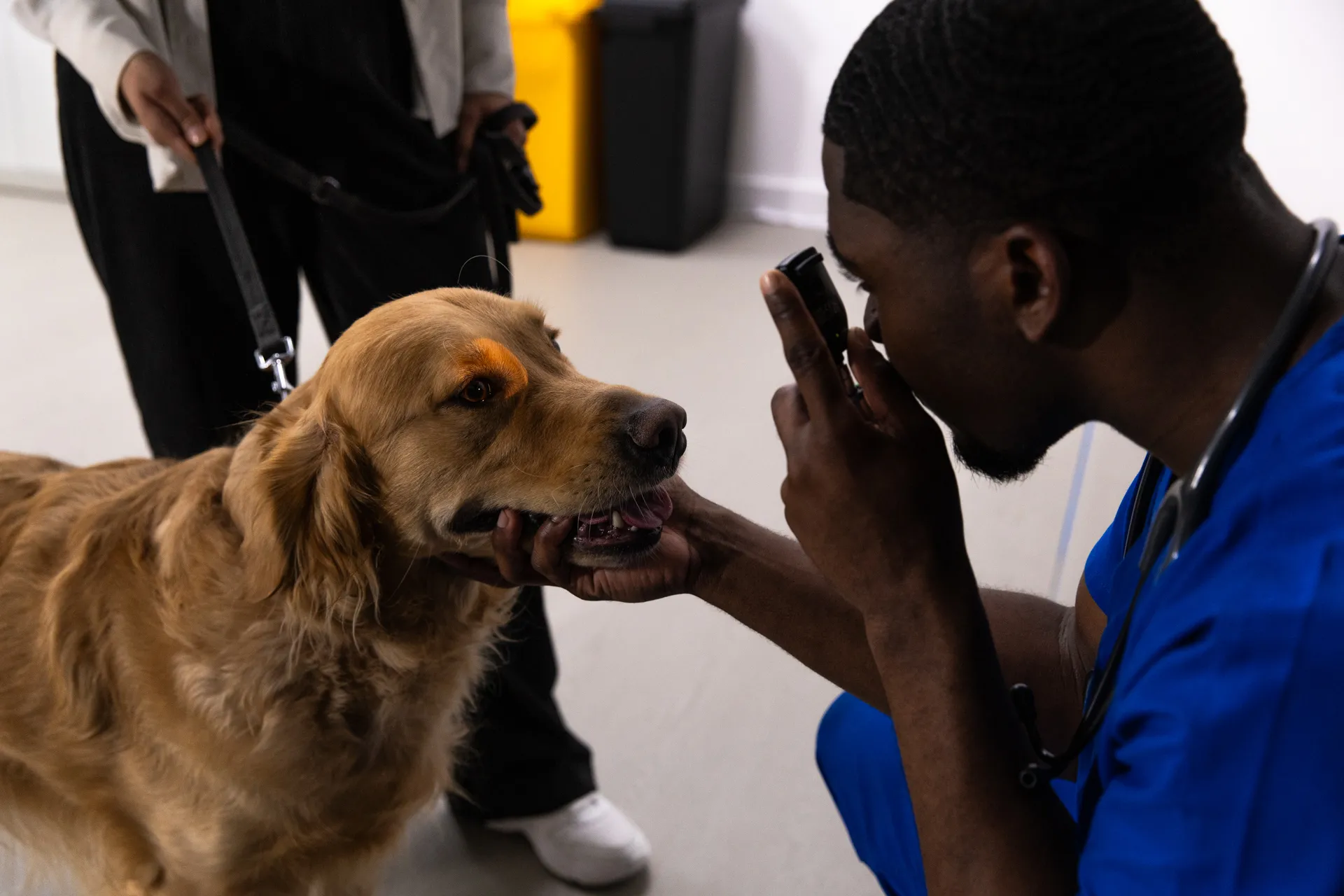
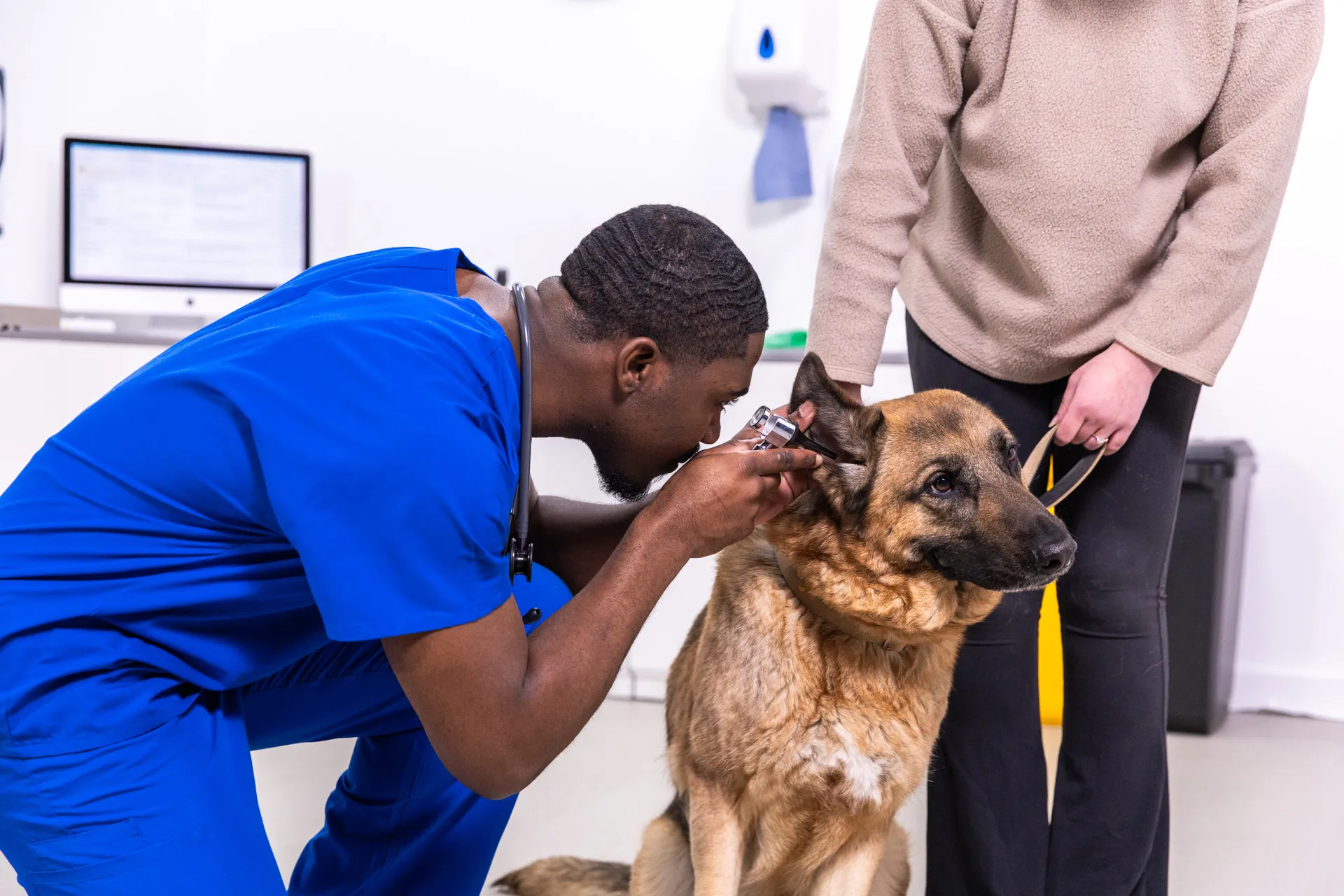
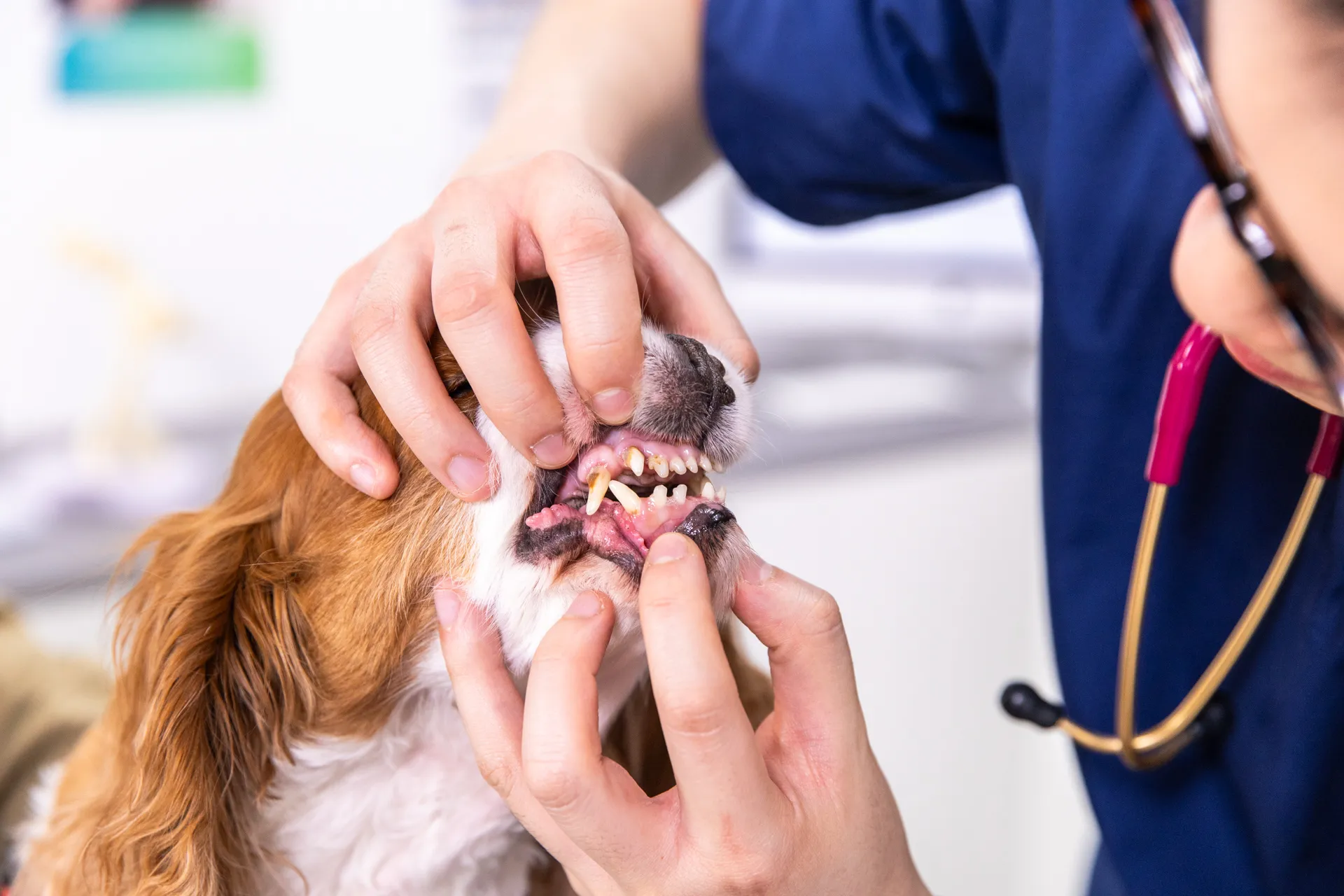
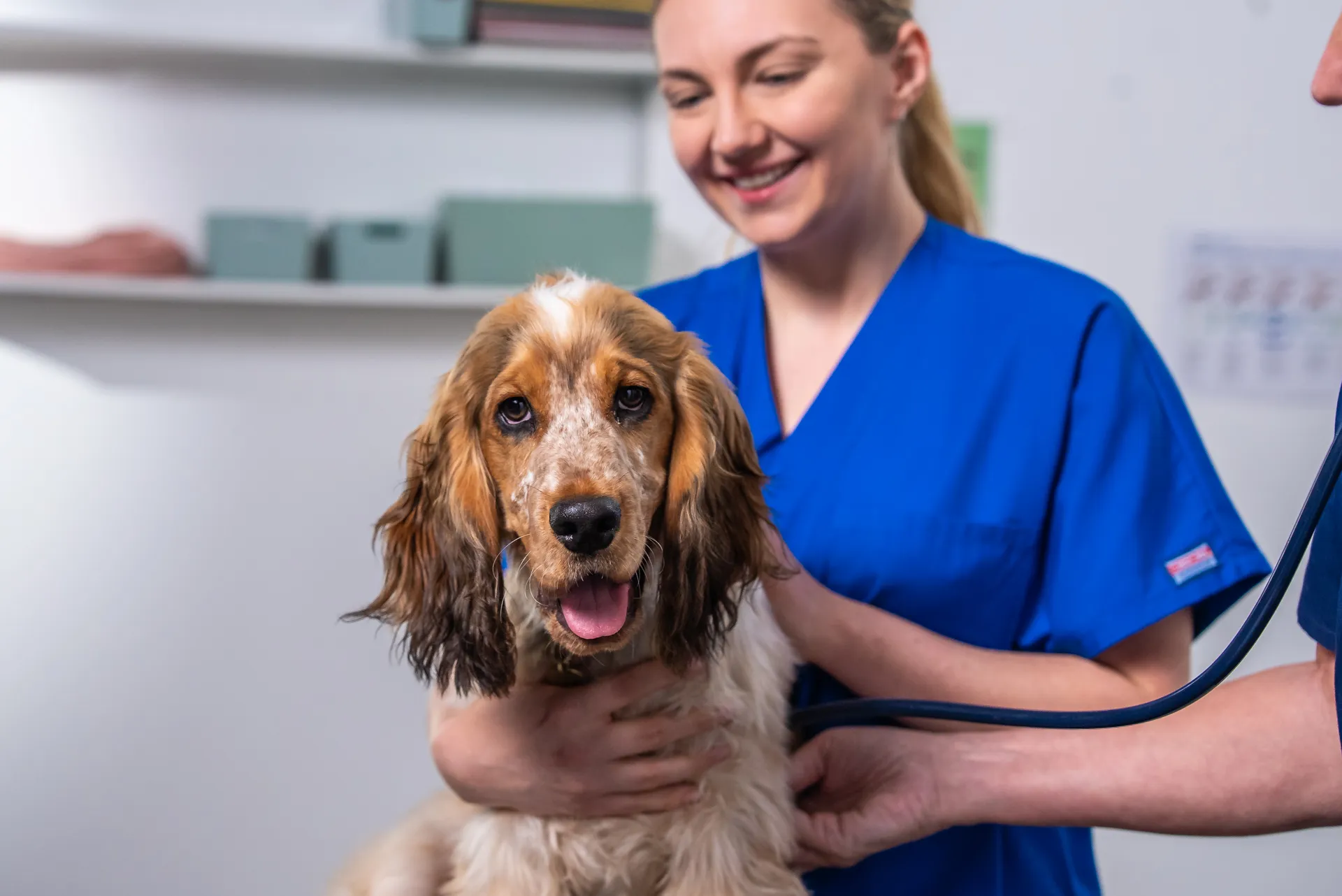
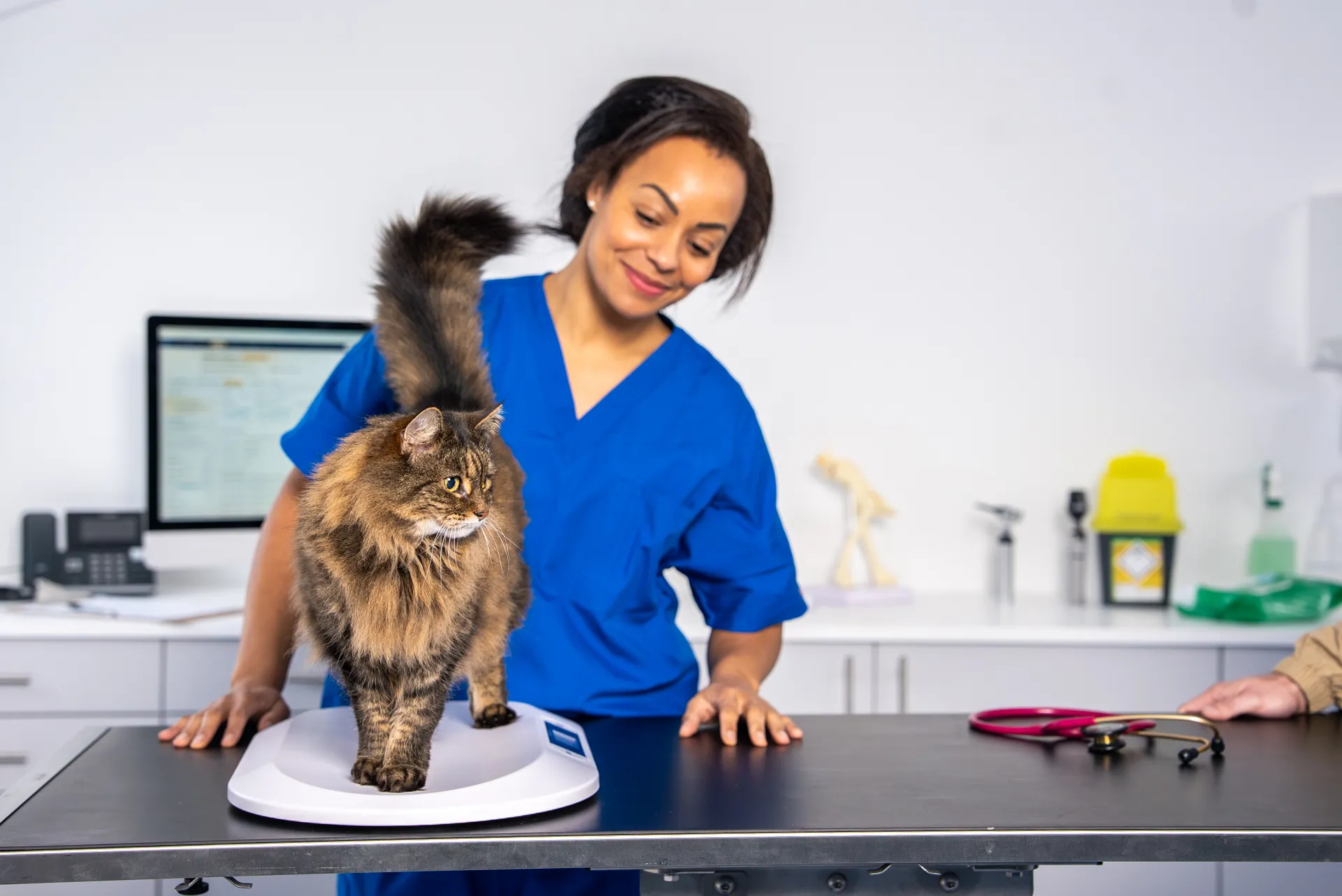
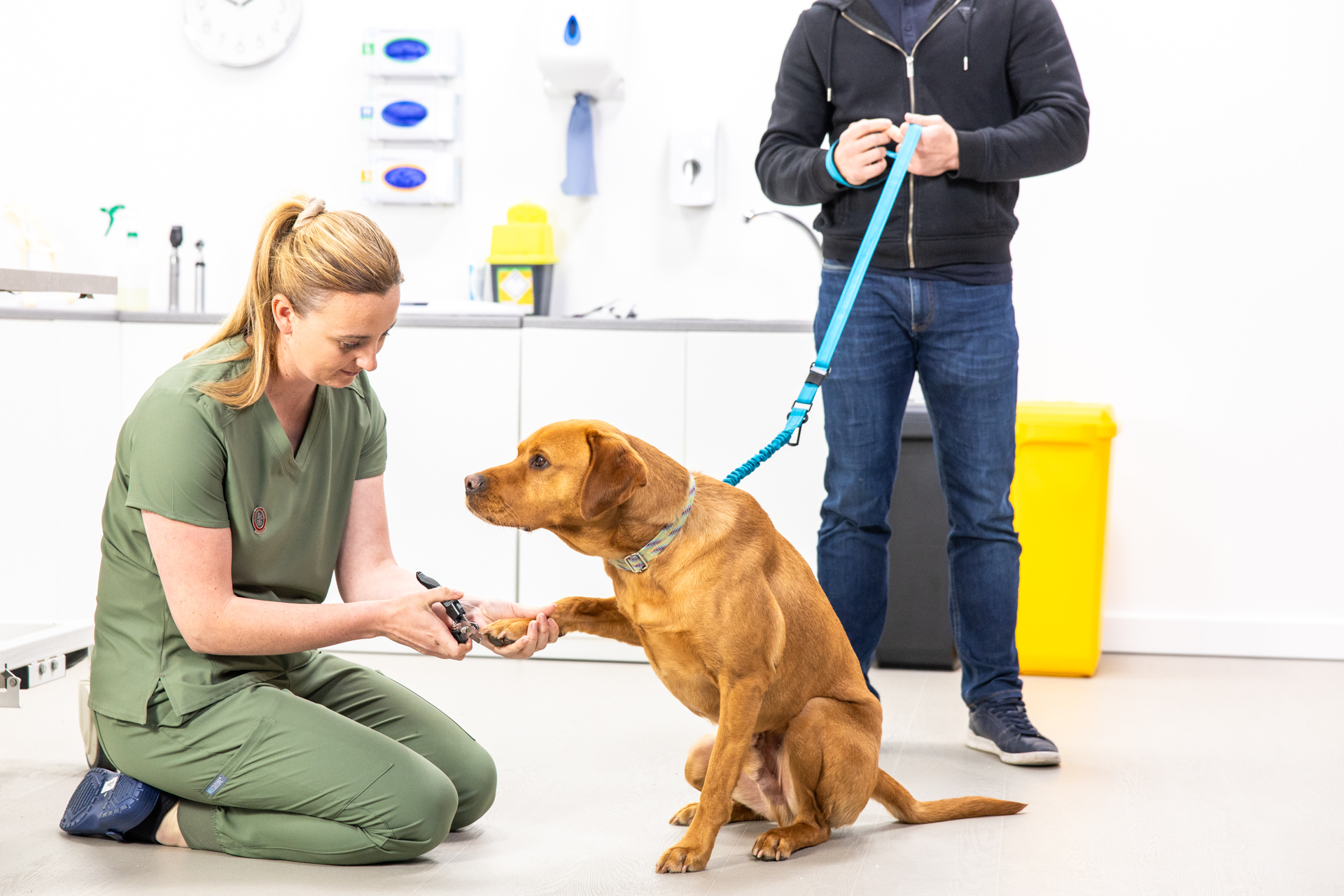
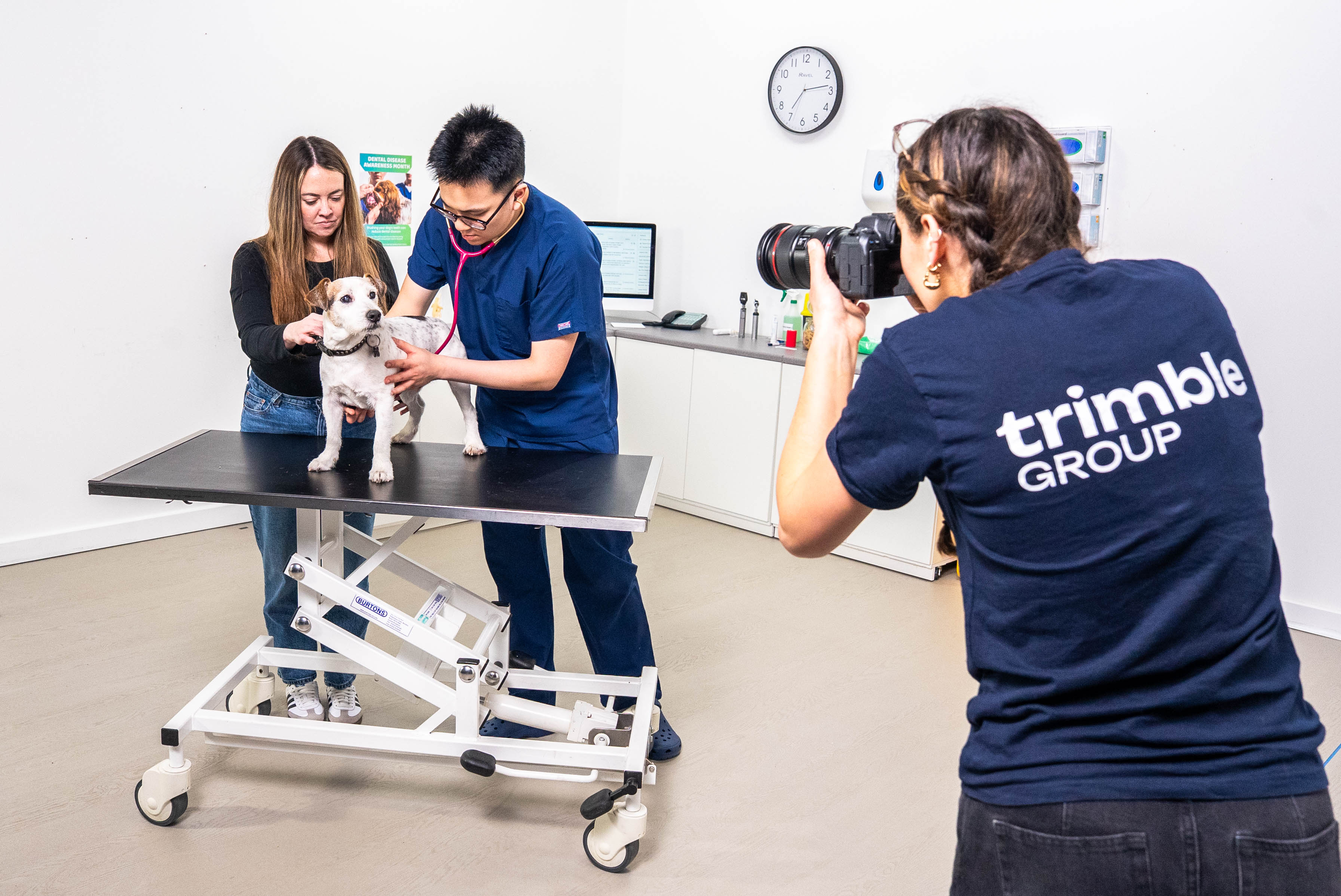
Veterinary medicine isn't spotless - it's detailed, practical and often unpredictable. Clinical environments have texture, animals don't always pose perfectly, and people don't always look immaculate.
Those small details are what make the content feel real and relate to people. When imagery feels too staged or too far removed from everyday veterinary reality, it becomes harder for the audience to connect with it.
In short, imagery doesn't just support the message. It actually influences how the message is received before people have even read it.
Why this matters even more in veterinary audiences
This all carries a lot of weight for marketing in animal health and veterinary. Veterinary professionals spend their working career being detail orientated, spotting irregularities, and often are naturally this way too. They’re doing this each day in clinical practice.
Research highlighted by Quanta Magazine explores how the brain constantly evaluates whether what we are seeing aligns with our understanding of reality [4]. When something doesn't match expectations, even in small ways, it can create a moment of uncertainty.
For veterinary audiences, that sensitivity is heightened by experience. This could be an incorrect piece of equipment, an unrealistic restraint position, an environment that doesn't reflect clinical reality.
None of these need to be major errors to affect how believable the image feels. It could be a really small detail that’s not quite accurate, that has a big effect on your campaign.
There’s more to this too. There’s some research out there that suggests that when audiences simply realise that visuals are AI-generated, it can instantly reduce perceived authenticity and trust in certain contexts. A recent study, Interpretation of AI-Generated vs. Human-Made Images, found that when someone realises or believes an image is AI-generated, their psychological evaluation shifts and they begin to penalise it by assigning it lower credibility and lower perceived realism [5].
Now I’m not saying that AI doesn’t have its place, because I believe it does and it’s already becoming a big part of life at work. But it does mean we need to be thoughtful about where and how we use it, particularly when communicating with audiences who rely on accuracy every day.
The Horn Effect and why details matter
We recently spoke with Dr Becki Maher from Inside Minds Consulting about the current state of imagery in animal health in our live launch webinar for our new Animal Health Image Library (you can view this here), where she referenced something psychologists call the Horn Effect.
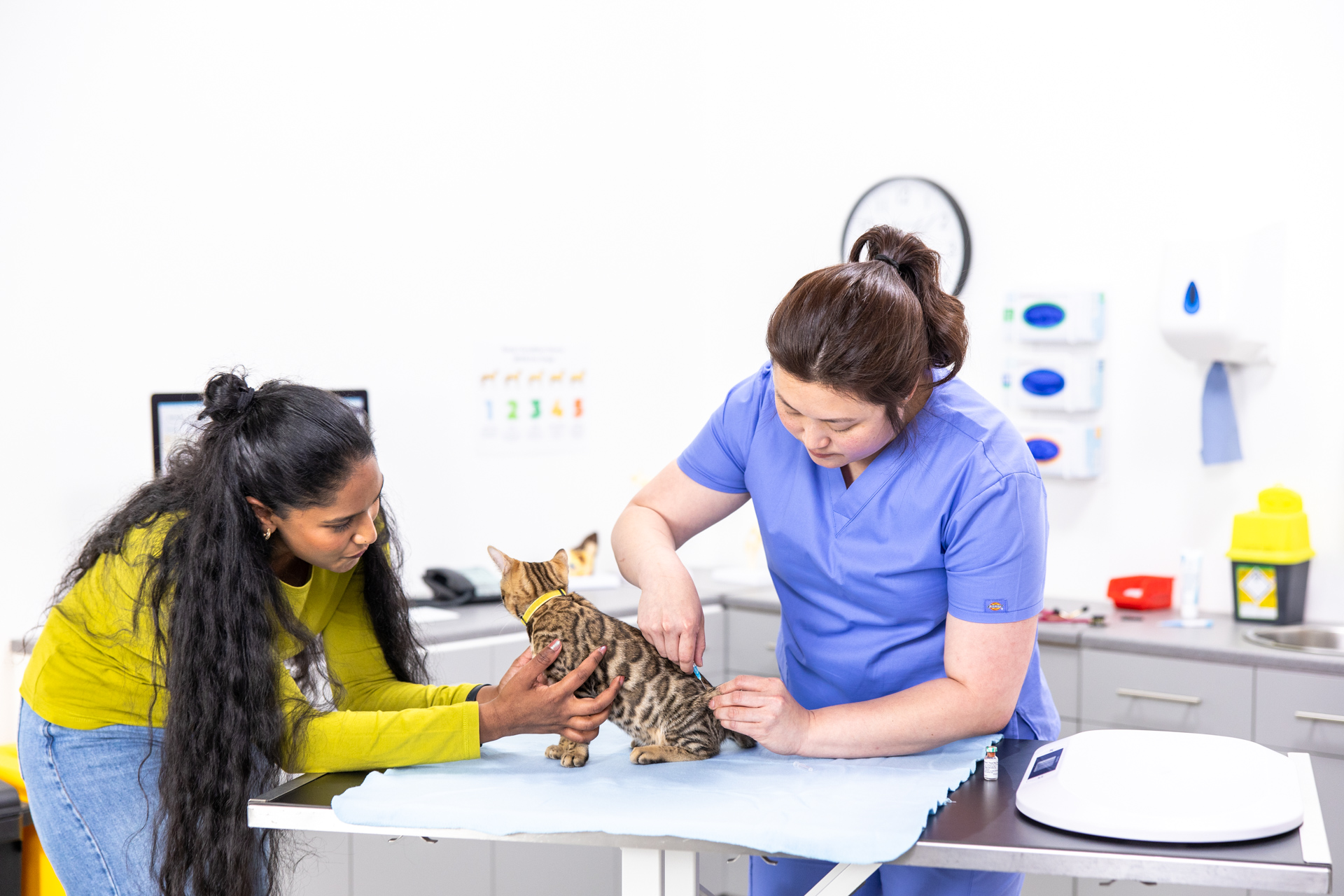
The horn effect states that if one element of something feels wrong, that impression can influence how we perceive everything else connected to it. In marketing and content terms, that means one small visual inconsistency can have a disproportionate impact.
In veterinary marketing and animal health this could be an inaccurate instrument, a staged interaction that doesn't feel natural, or a clinical environment that feels artificial.
Something as small as this and suddenly the question is no longer just about the image, it's about the credibility of the campaign or even the brand behind it.
It seems like quite a harsh response, but it’s a very human one, and I think we would be naive to ignore it, especially when creating content for animal health and veterinary marketing.
So what does this all mean?
Pulling all of this information together paints quite a clear picture for me. Our first impressions are formed quicker than we think, and they’re influenced heavily by the visuals chosen and how believable they are.
That combination matters in any industry, but particularly in veterinary and animal health marketing, communications and education where audiences are trained to notice detail and accuracy.
It was years of me noticing these issues, and researching - both through studies and with actually talking to people in the industry - that set me about doing something to resolve it. That’s exactly the point where the idea of Animal Health Image Library came from.
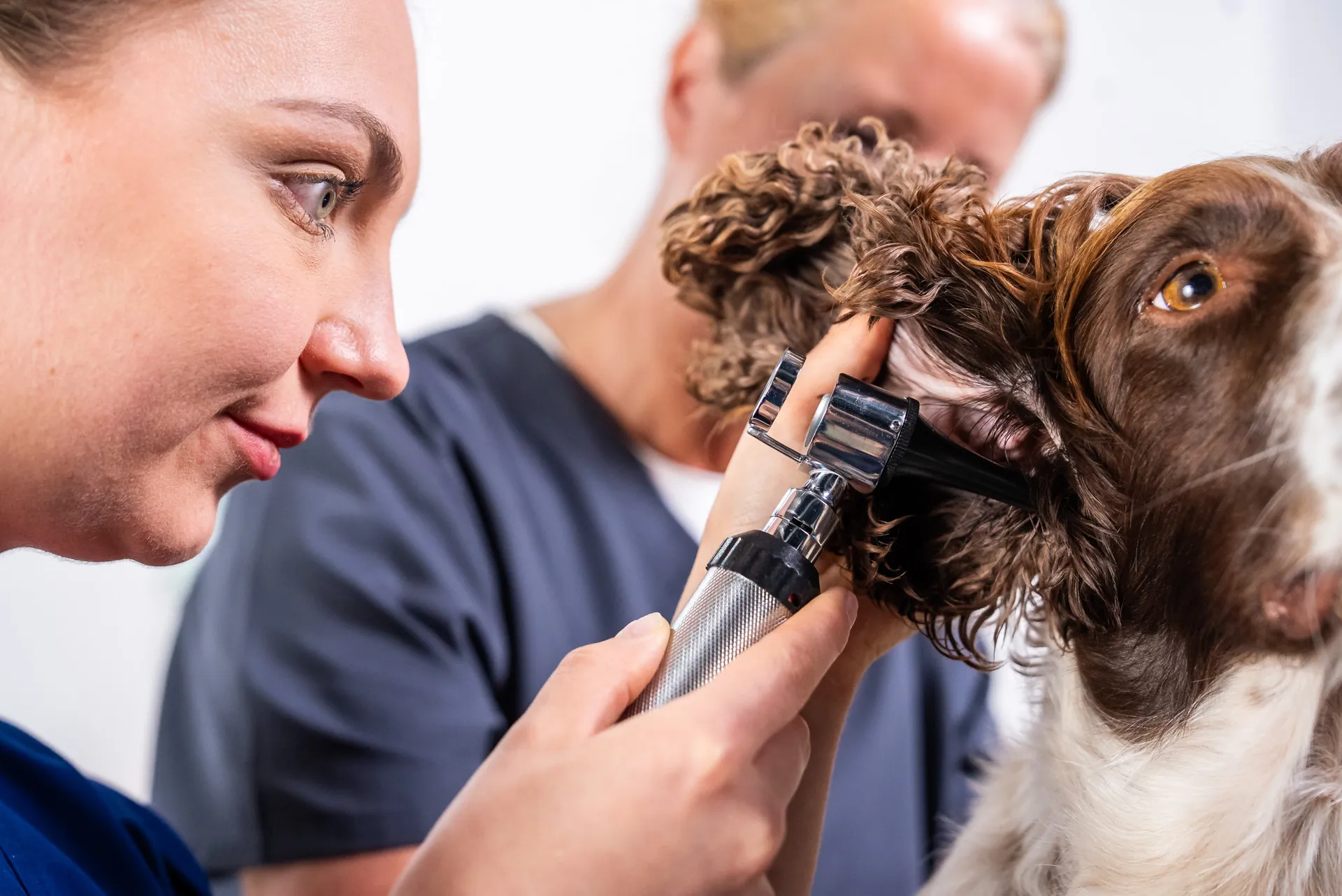
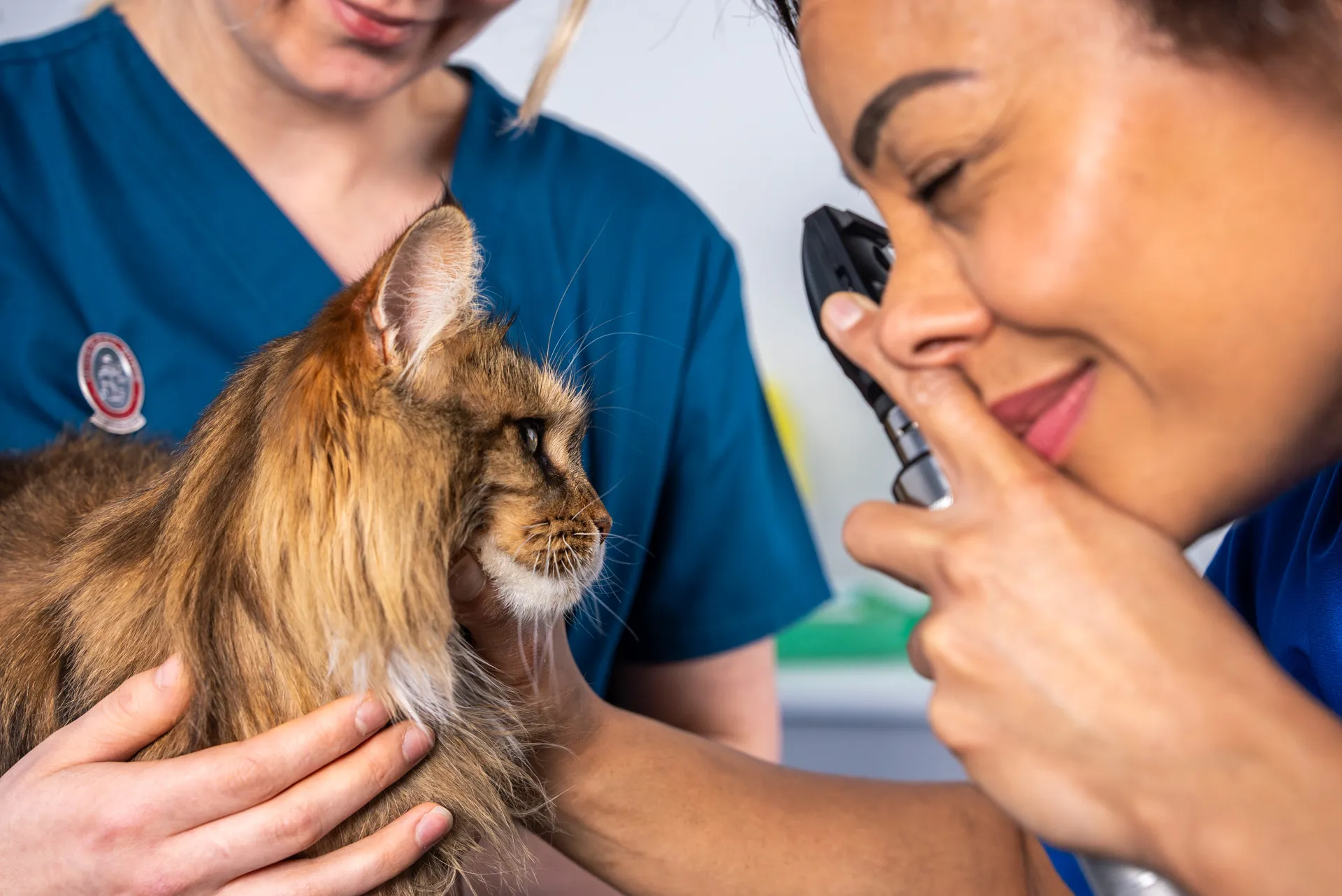
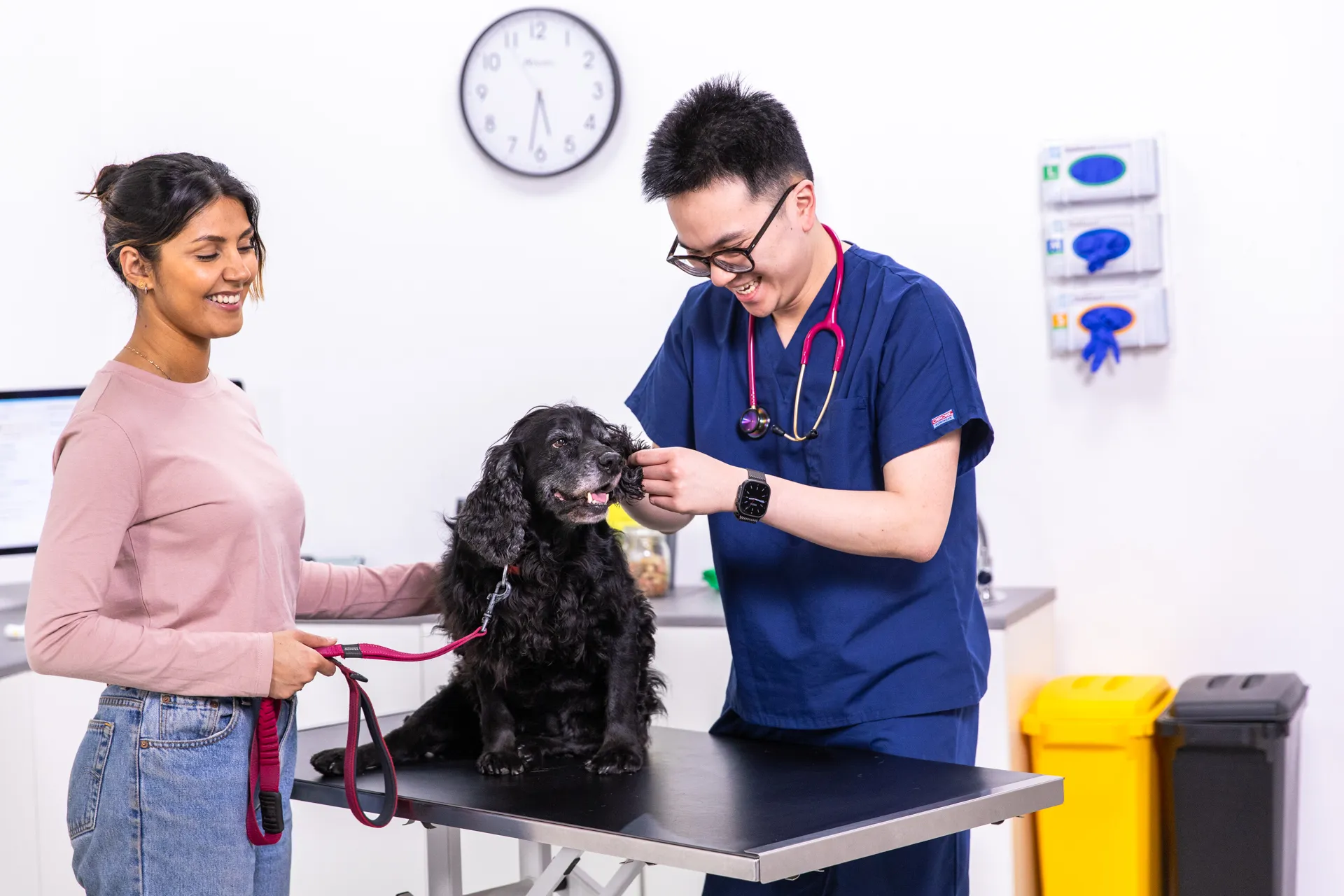
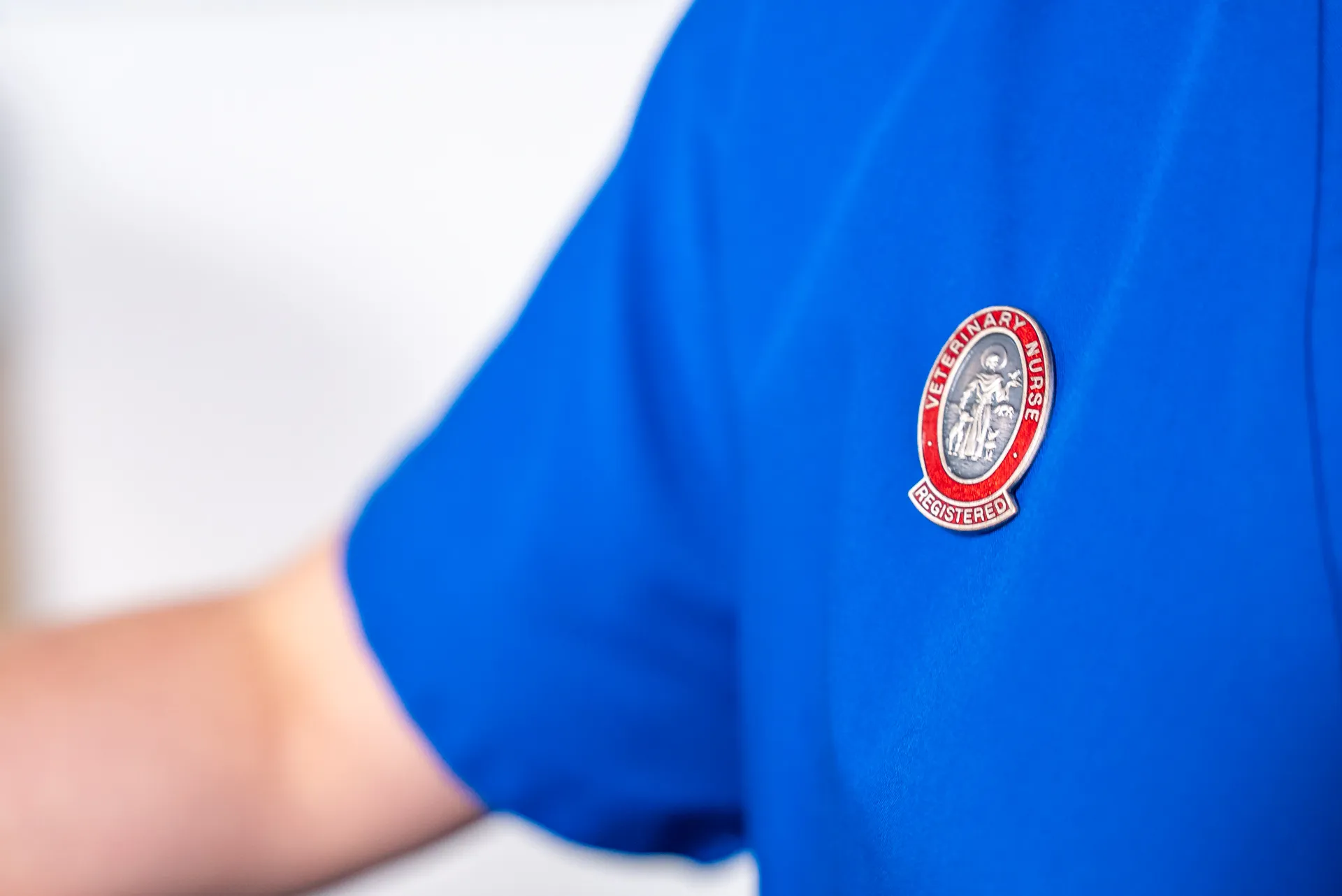
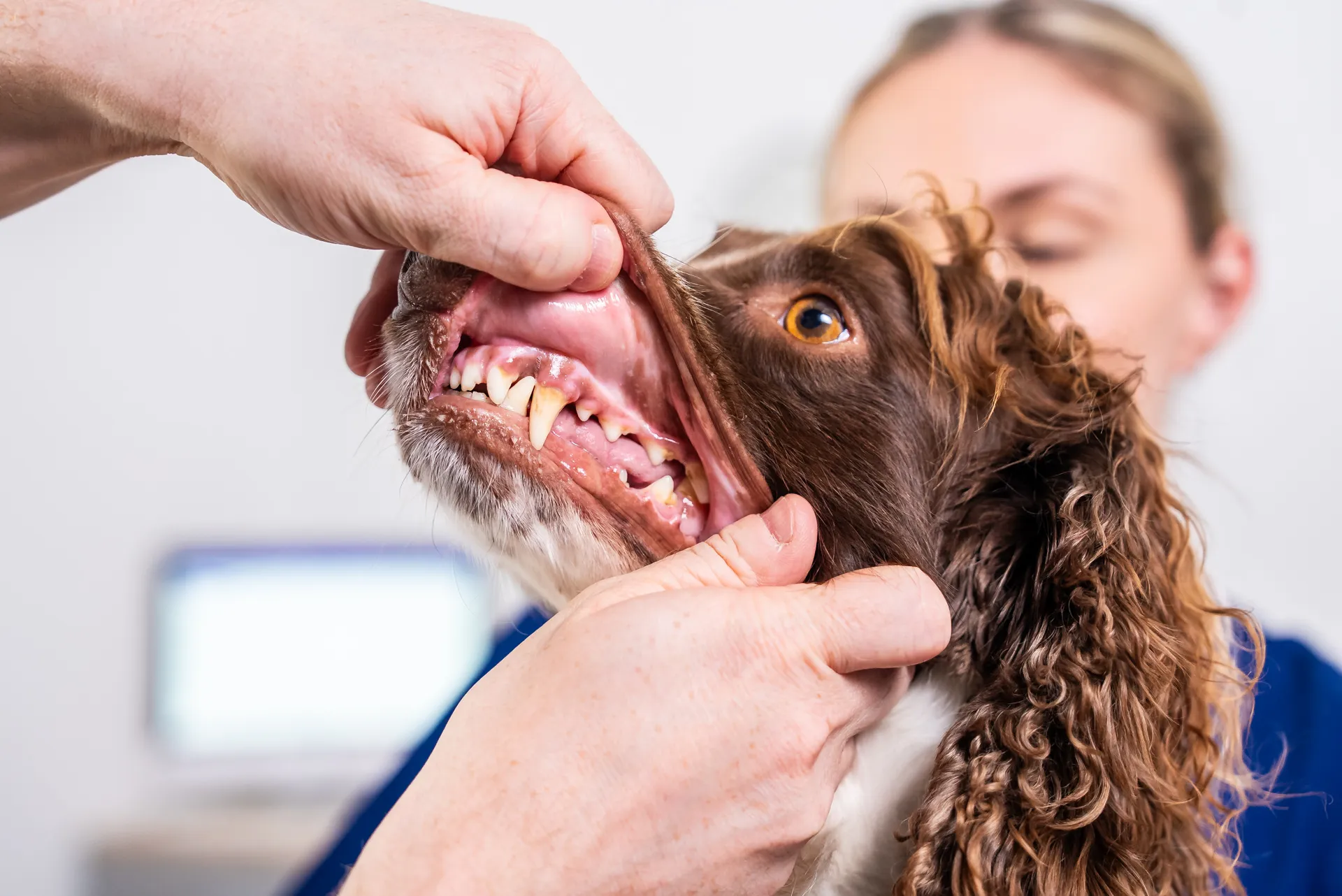
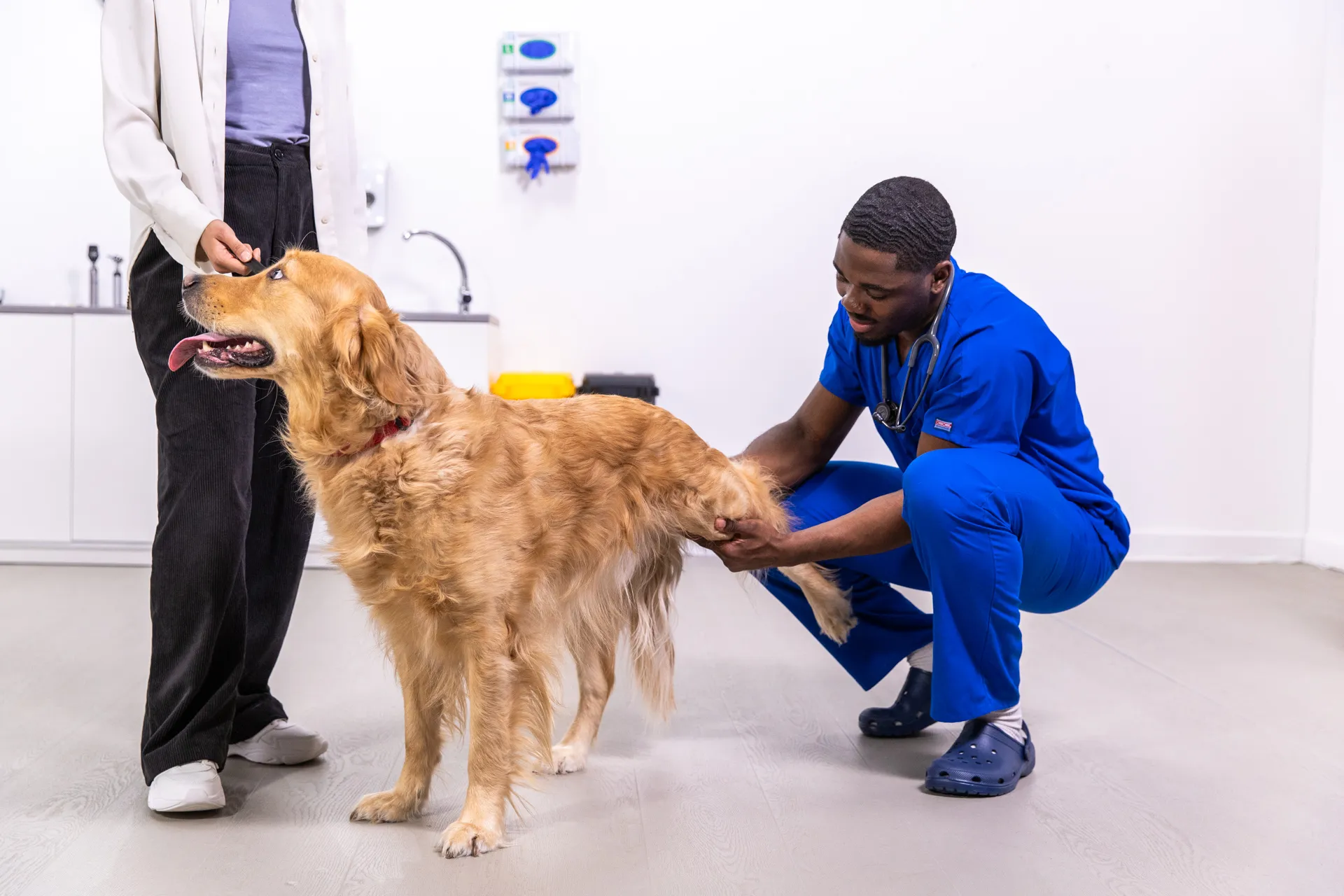
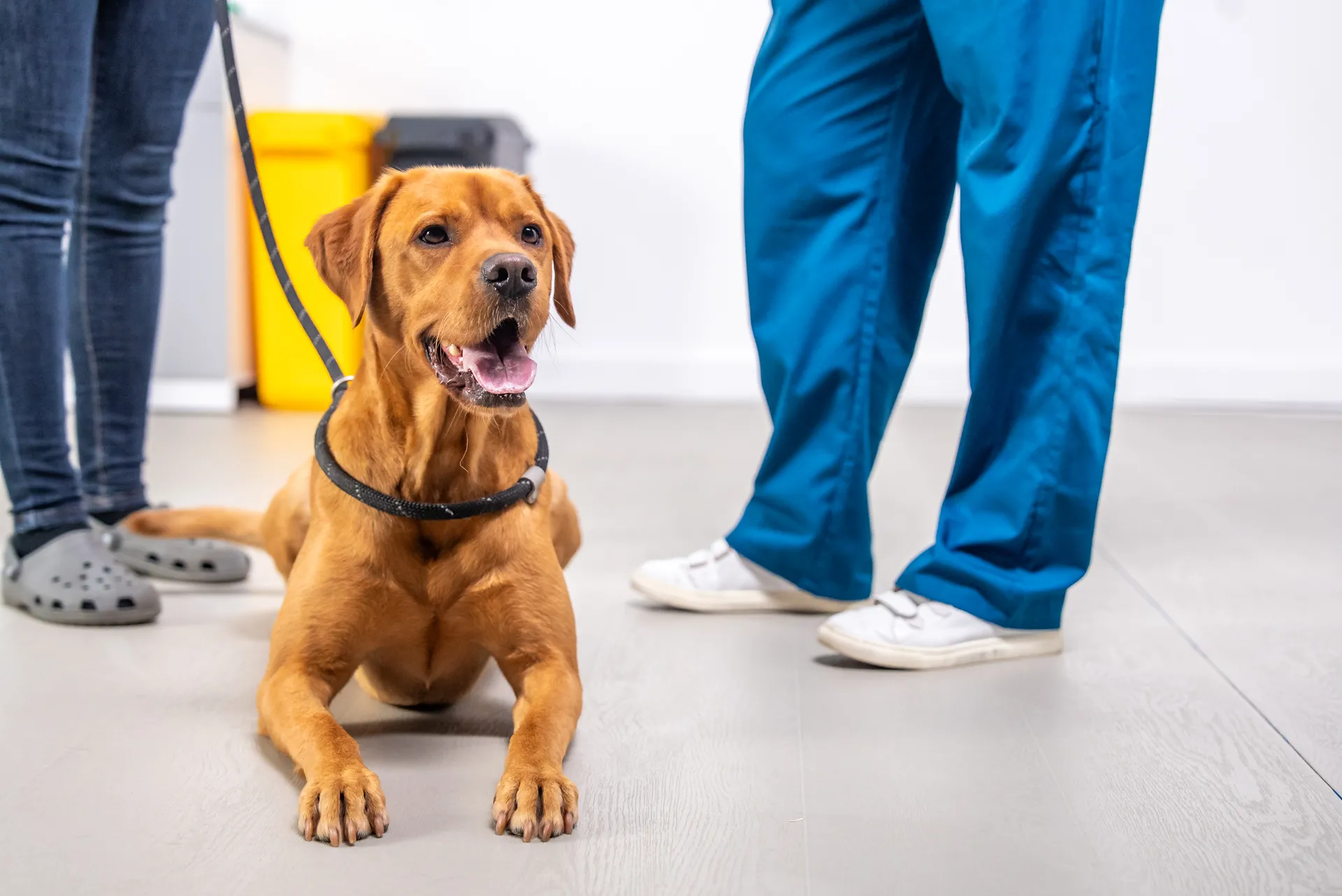
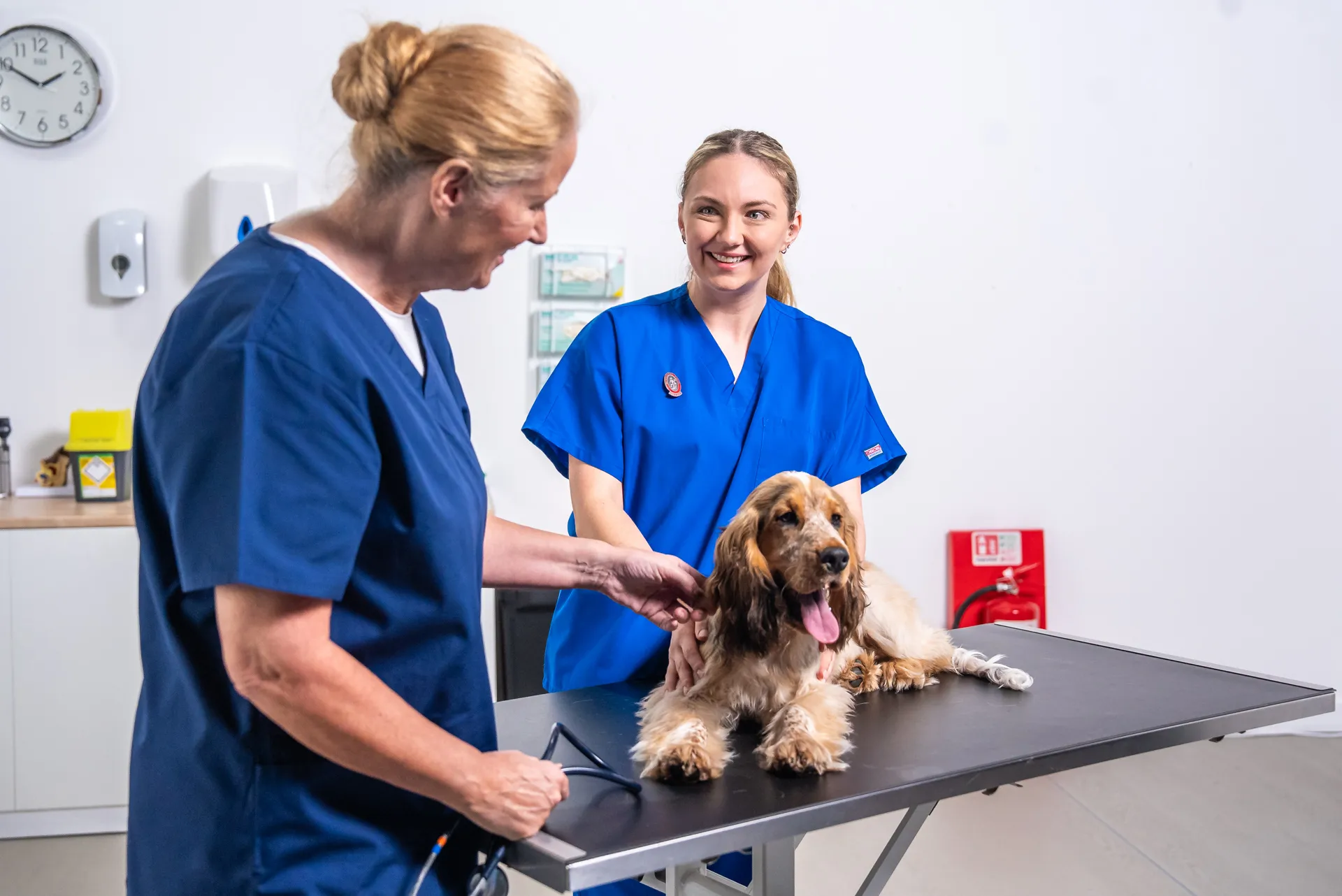
It was never because there is a lack of imagery available, but because there is often a lack of imagery that reflects veterinary reality. I really wanted to build something that removes that uncertainty. That actually helps the people we work with regularly. A library that reflects real clinical environments, real human-animal interactions, scientifically accurate, full of professionally produced imagery created by people who understand the industry.
Your audience isn't just looking at your campaign, they're deciding whether they trust it, and whether to buy into the resolution you have. That decision starts long before they read a single word, so it’s one to think about.
References
[1] Jukić, D. (2023). Beyond Brand Image: A Neuromarketing Perspective. Communication Today.
[2] Neurons. (2024). Neuromarketing Examples: How Global Brands Use Brain Science to Optimise Visual Assets.
[3] Abuín Vences, N., Díaz-Campo, J. & García Rosales, D. F. (2020). Neuromarketing as an Emotional Connection Tool Between Organizations and Audiences in Social Networks. Frontiers in Psychology.
[4] Cepelewicz, J. (2023). Is It Real or Imagined? How Your Brain Tells the Difference. Quanta Magazine.
[5] Velásquez-Salamanca, D., Martín-Pascual, M. Á. & Andreu-Sánchez, C. (2025). Interpretation of AI-Generated vs. Human-Made Images. Journal of Imaging.