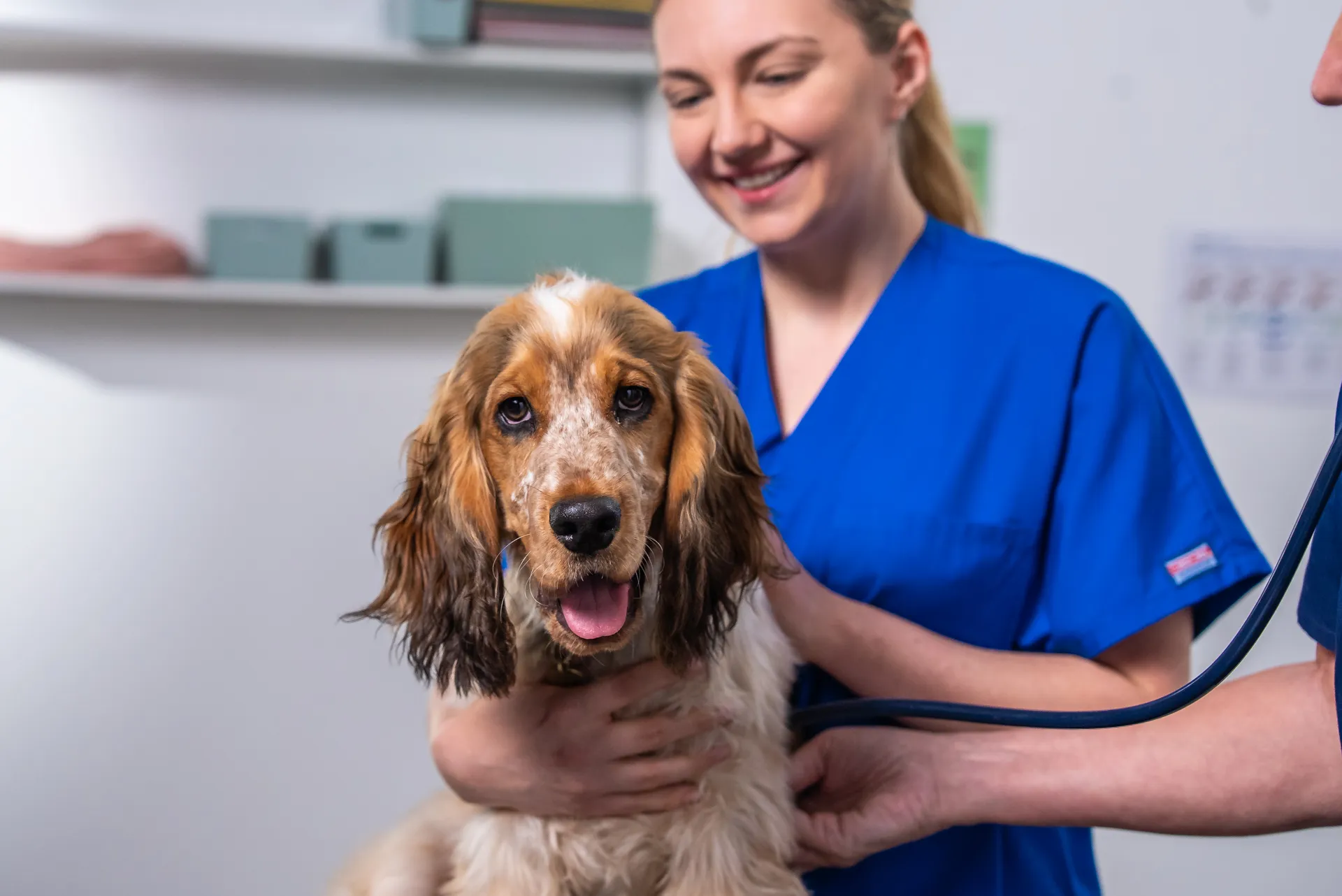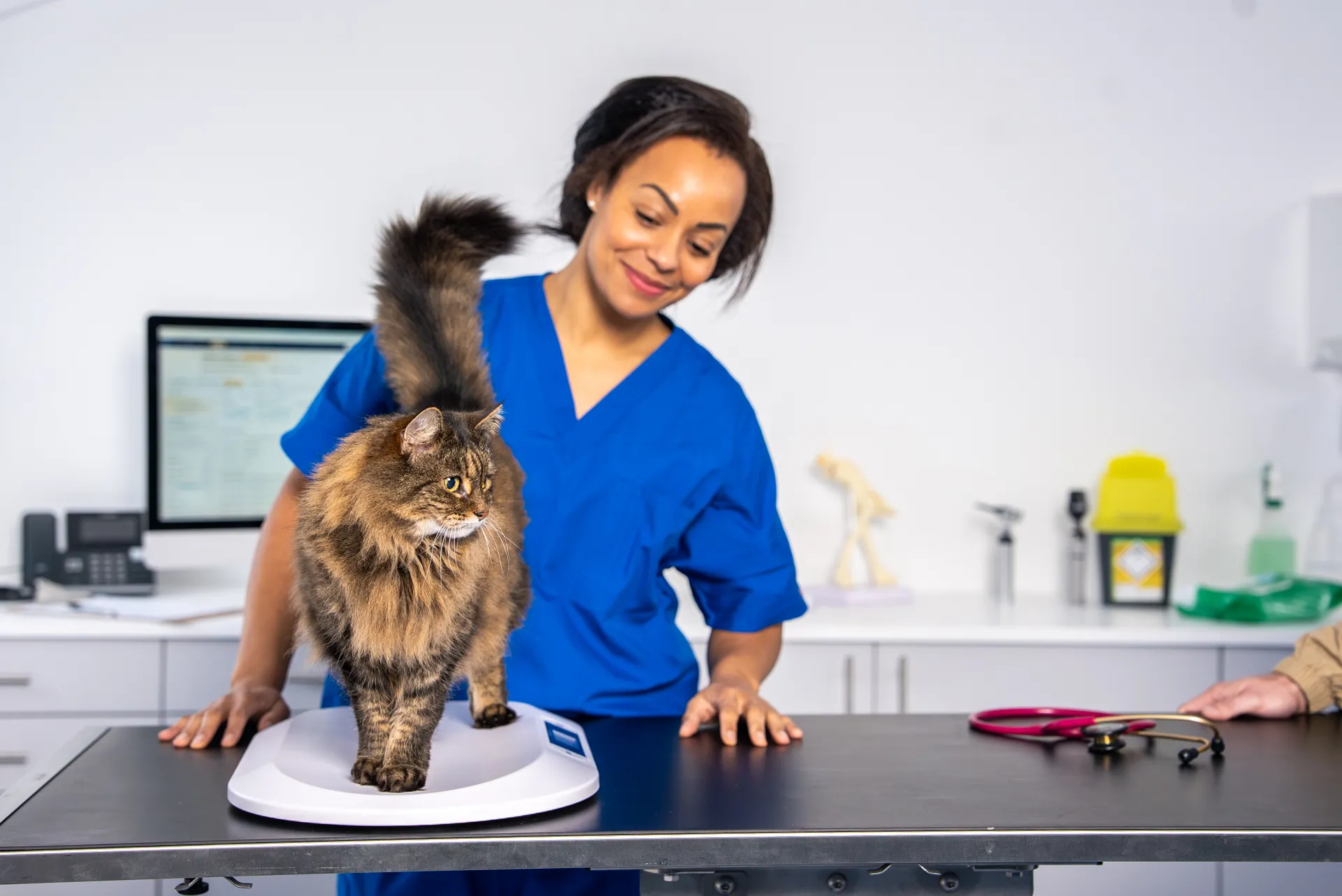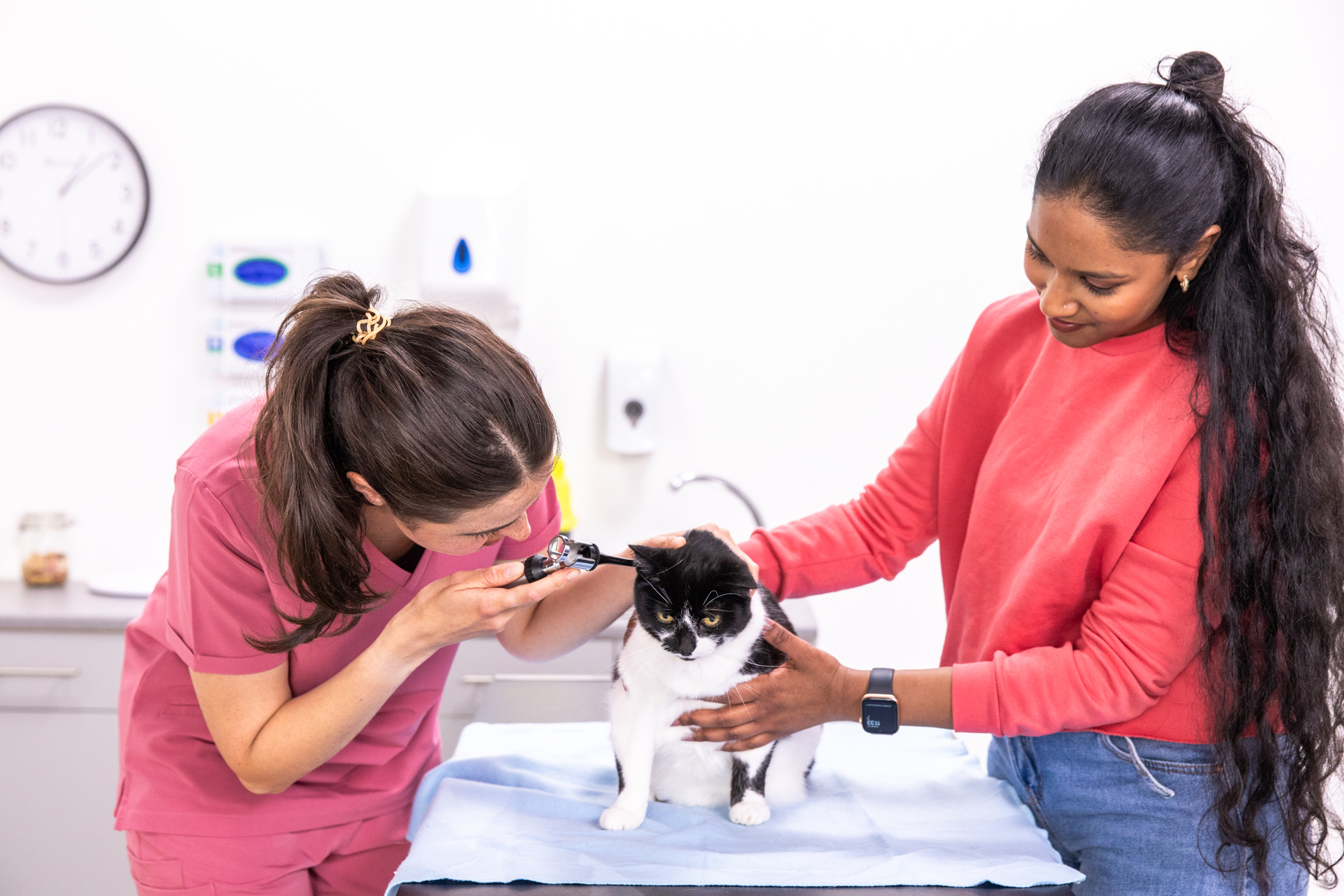


Finding the right imagery for an animal health campaign isn't always straightforward.
Whether you're working on a product launch, educational content, a clinical case study or a marketing campaign, stock imagery often falls short. The breeds aren't right, the age of the animal doesn't fit the story you're trying to tell, the images feel overly polished, or worse, they're simply not clinically accurate.
It's a frustration most veterinary marketers will be familiar with.
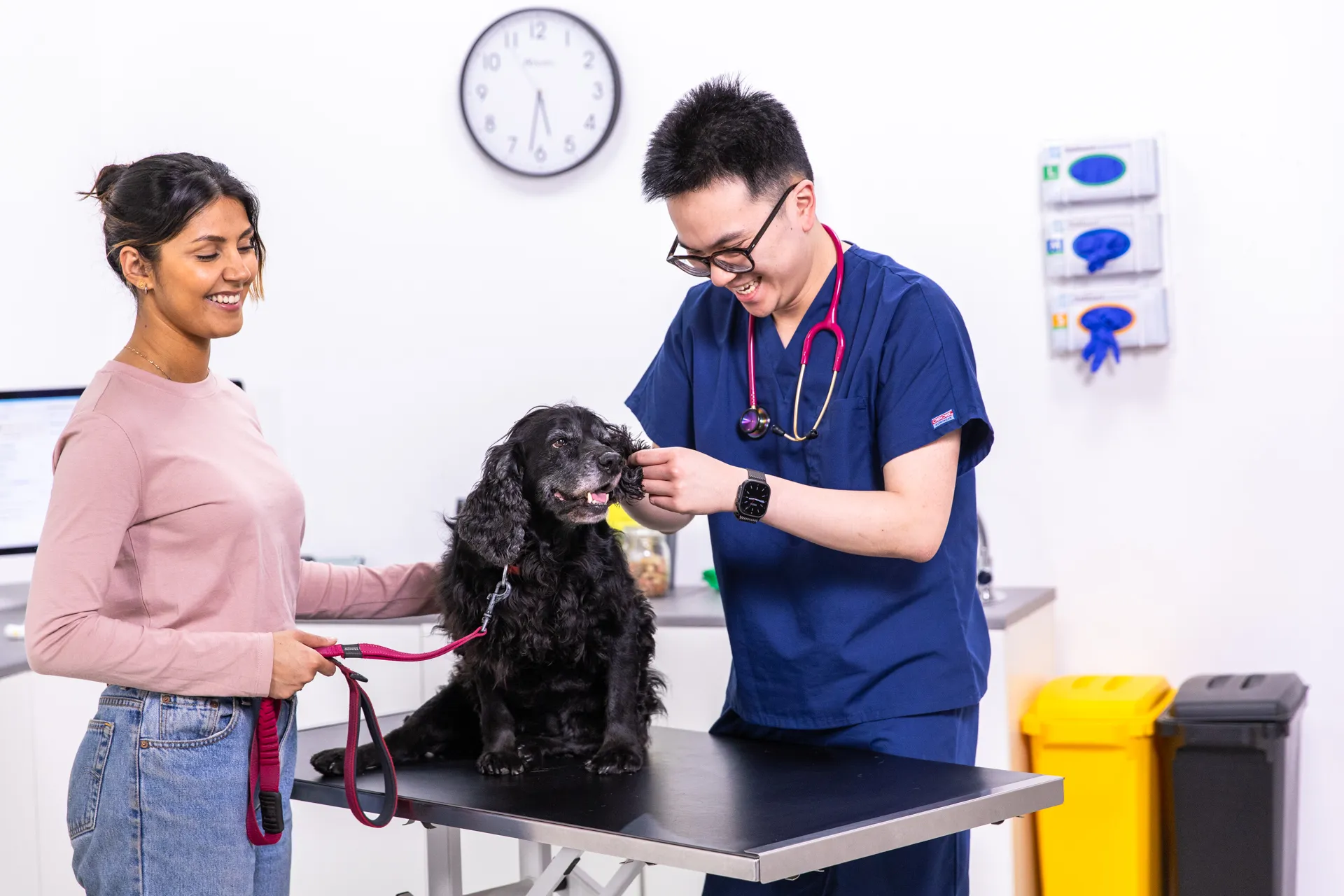
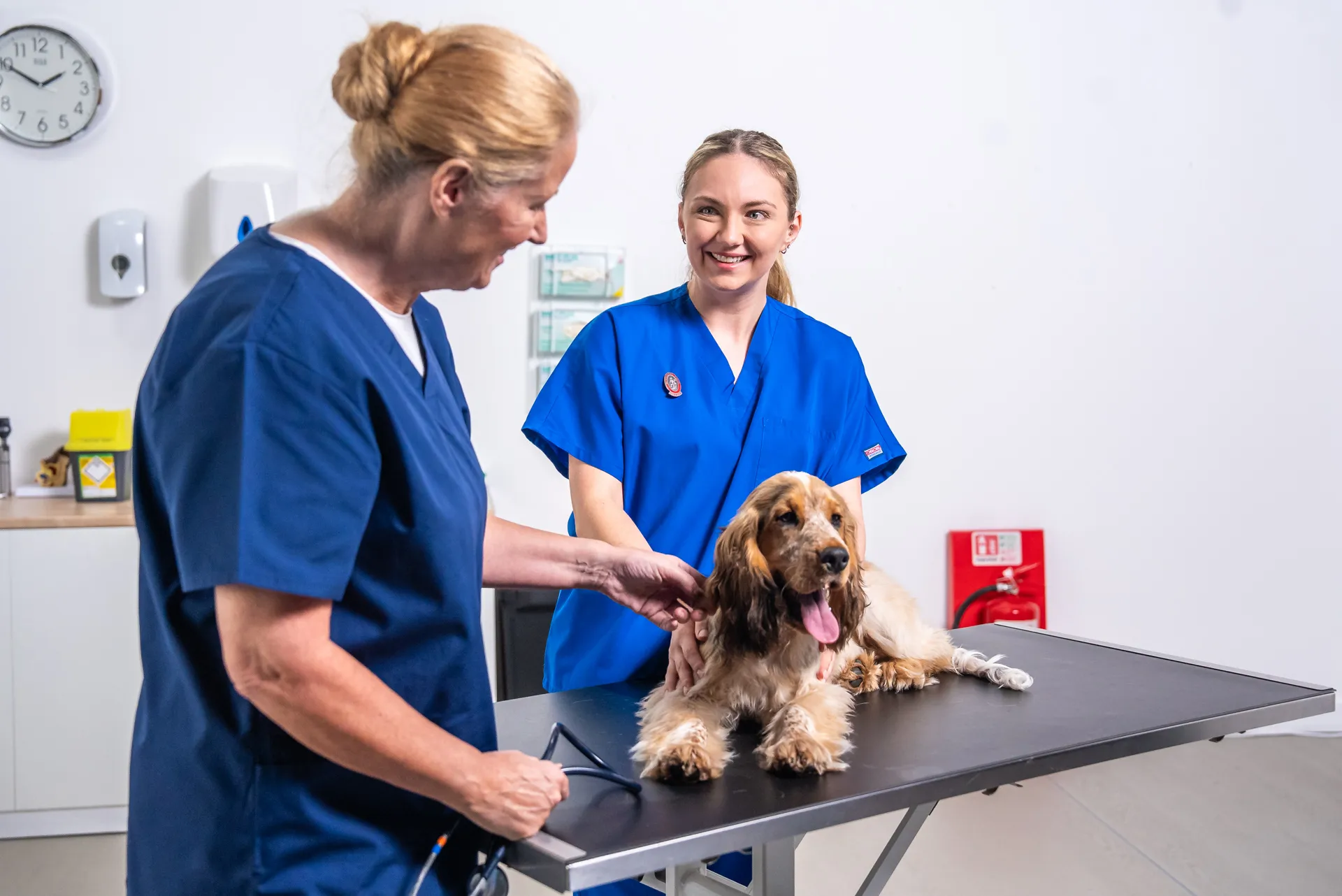
You're trying to show a specific condition, life stage or clinical scenario, but the search results keep serving up the same thing: young animals that look like they've stepped out of the show ring. Or images that just don't reflect real veterinary practice. A giant breed dog sitting on a consult table, a stethoscope being used incorrectly, or handling techniques that would never happen in a clinic.
They might seem like small details, but in animal health they matter.
The problem with generic imagery
One thing that makes animal health different is the audience.
Veterinary professionals spend their entire careers paying attention to detail. They notice things. Sometimes consciously, sometimes subconsciously, but they spot inaccuracies quickly.
A misplaced hand. Incorrect restraint. The wrong patient being used to represent a disease. These things stand out immediately.
When that happens, the image stops supporting your message and starts distracting from it.
This can affect trust in the content. If the visual doesn't feel right, people can begin to question the information sitting alongside it, pulling attention away from the message you're trying to communicate. And ultimately, it makes the content feel less relevant to everyday practice.
When you're trying to build credibility, that's not where you want your audience's attention to be.
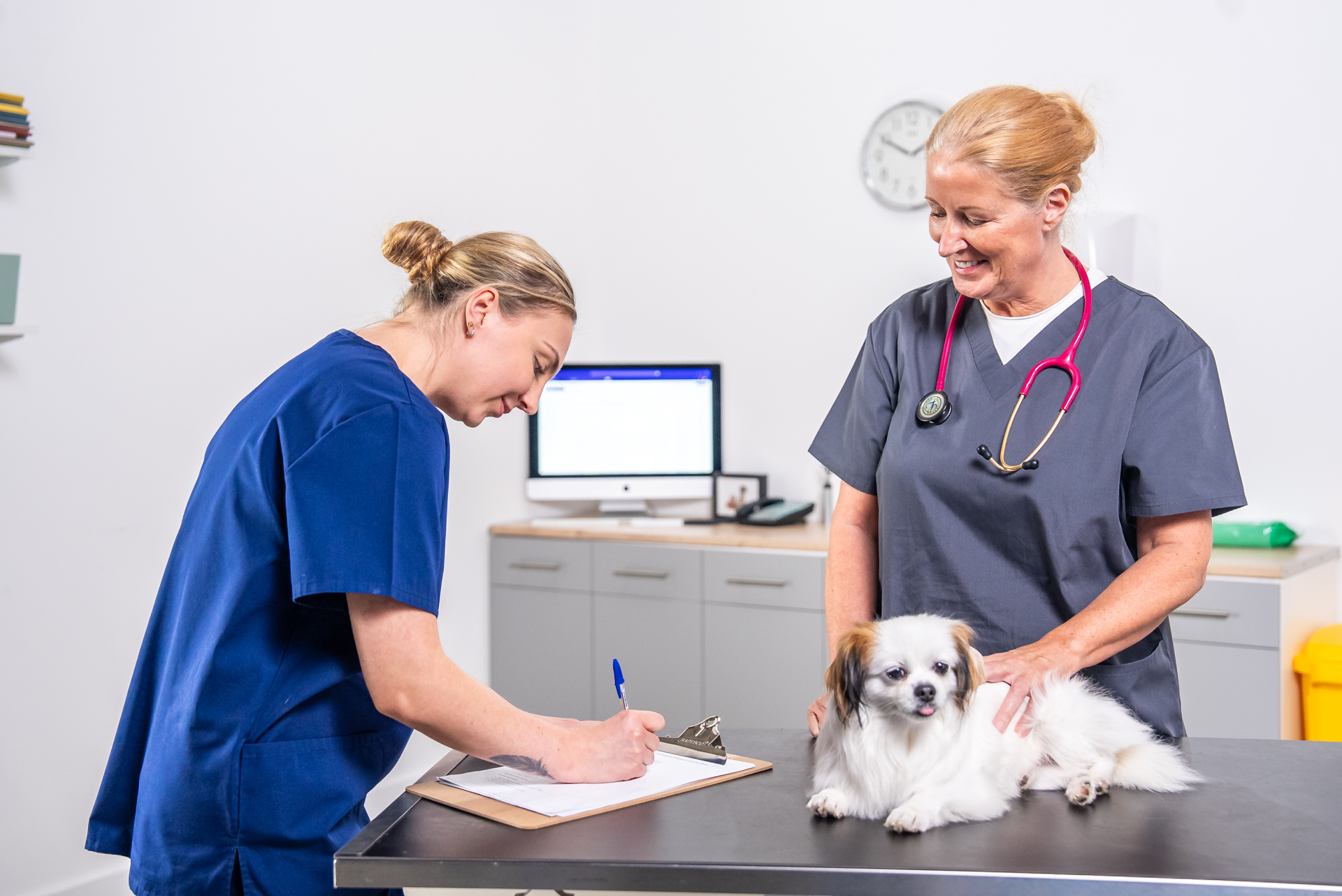
Accuracy isn't a nice-to-have
The challenge is that finding clinically accurate stock imagery is incredibly difficult.
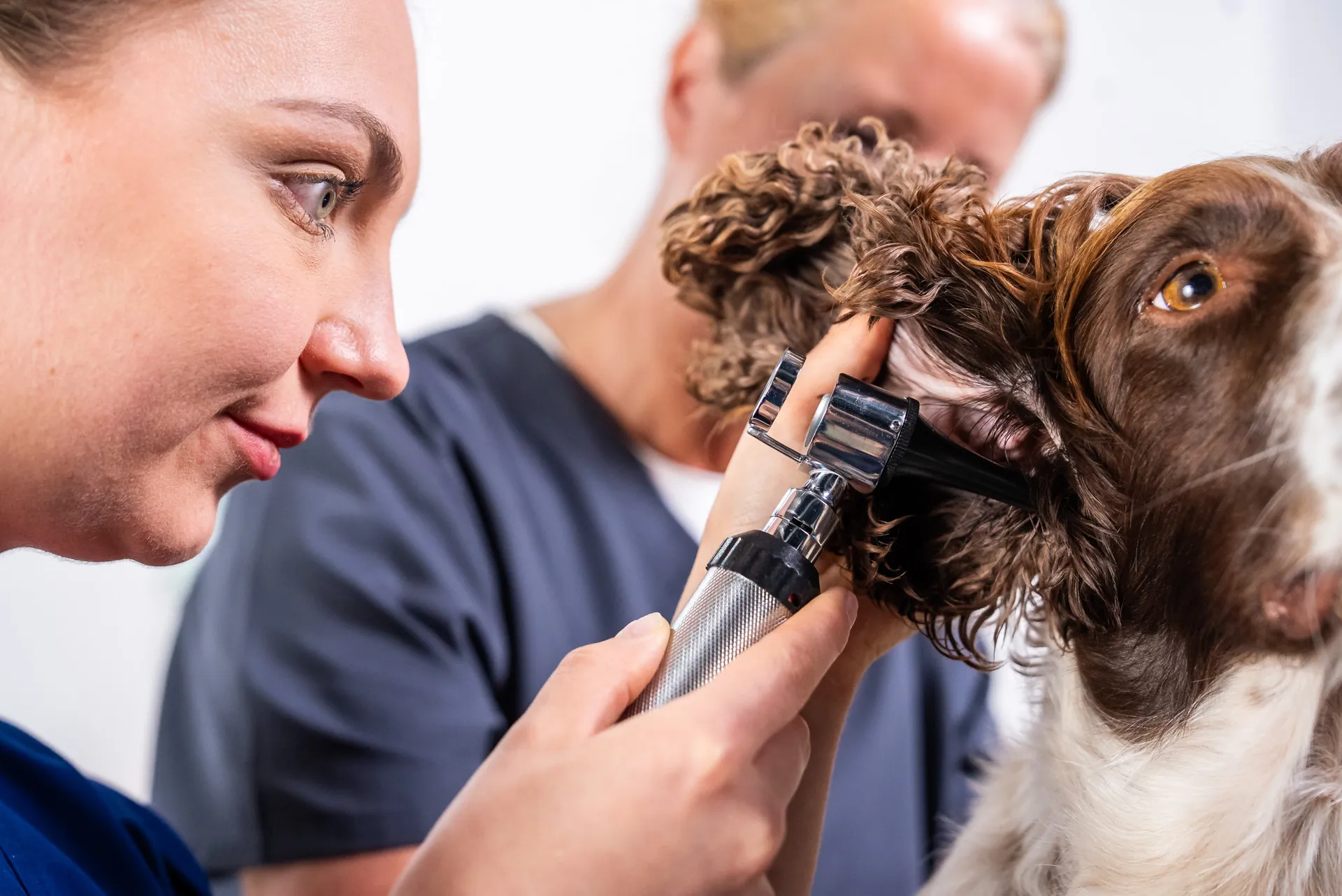
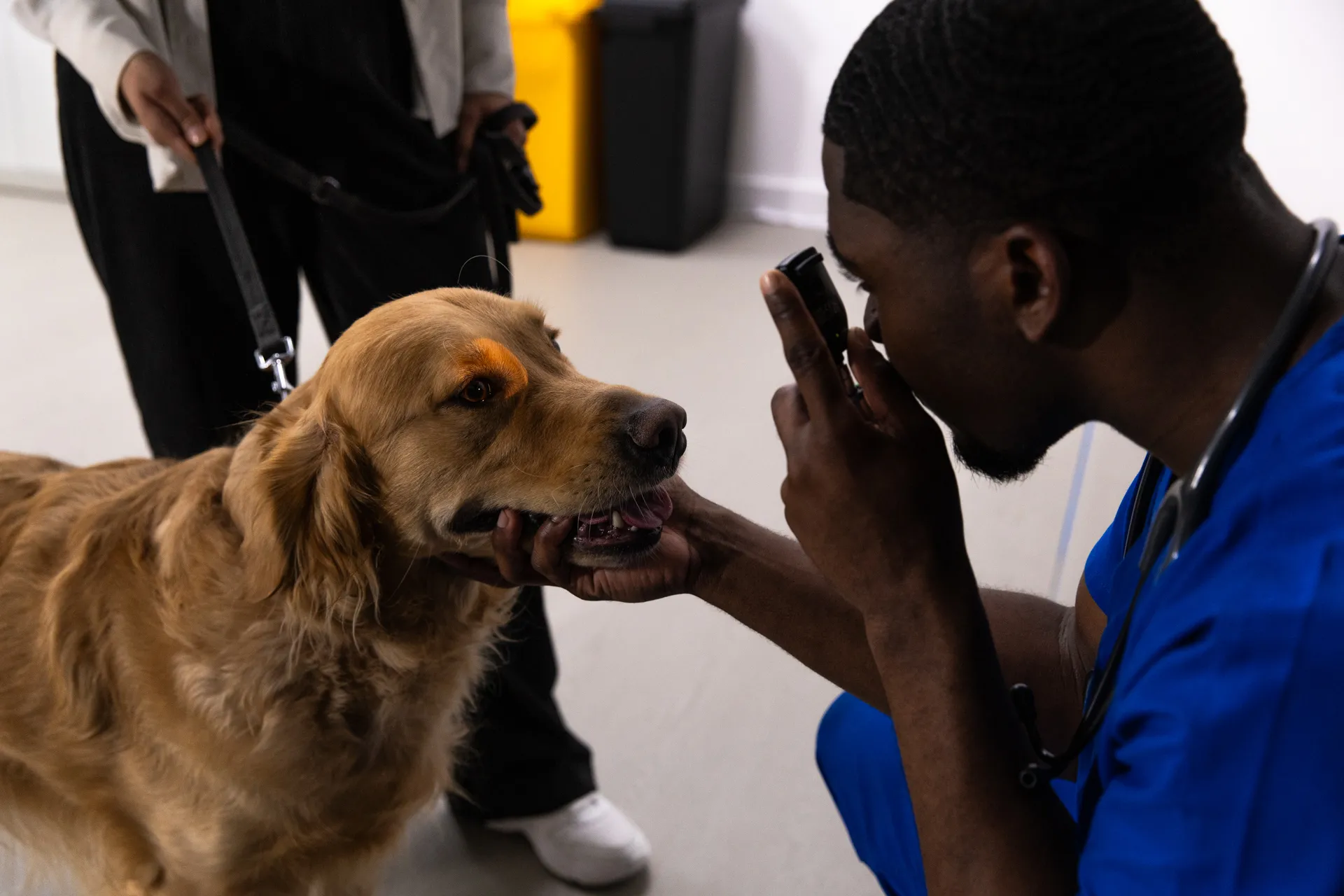
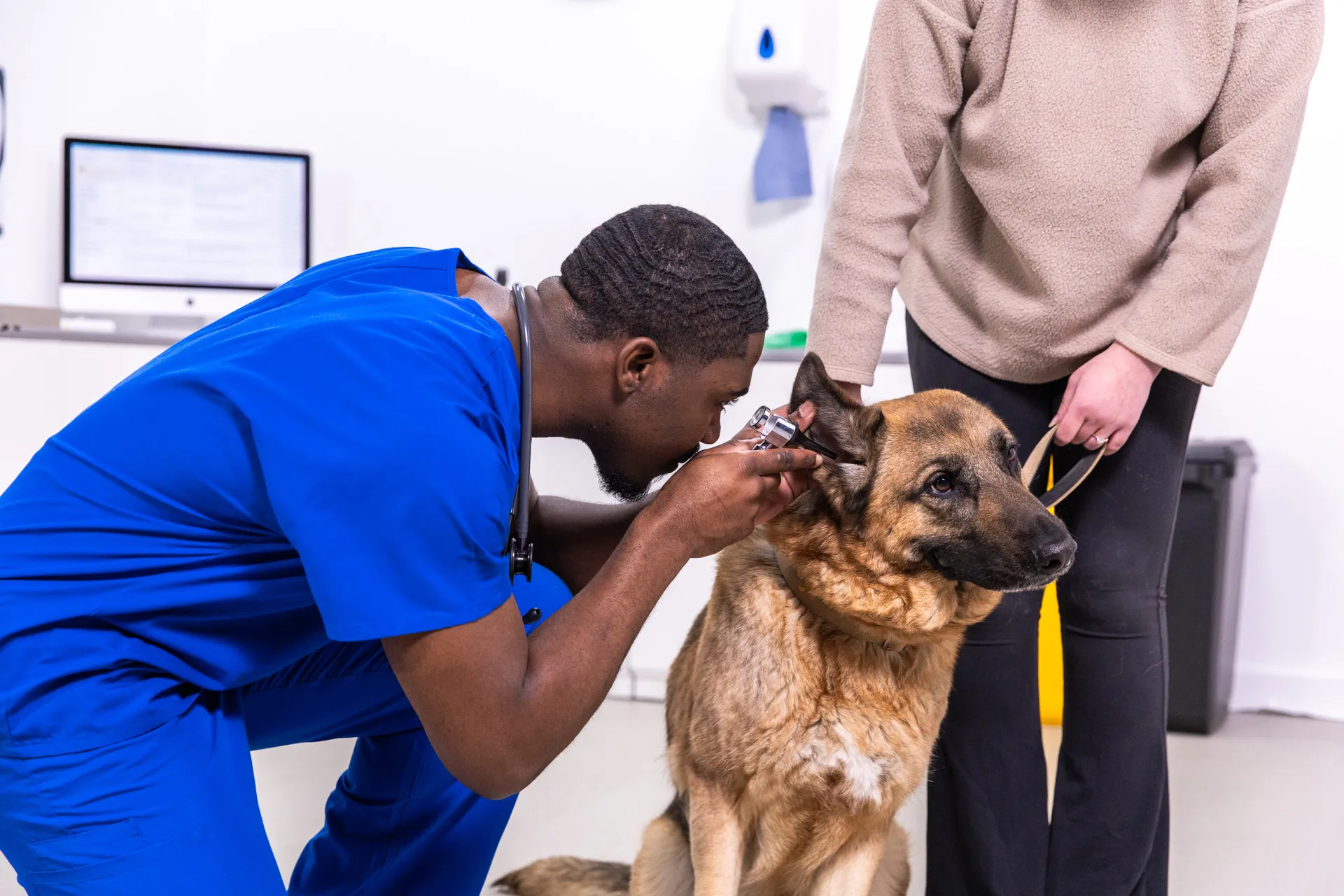
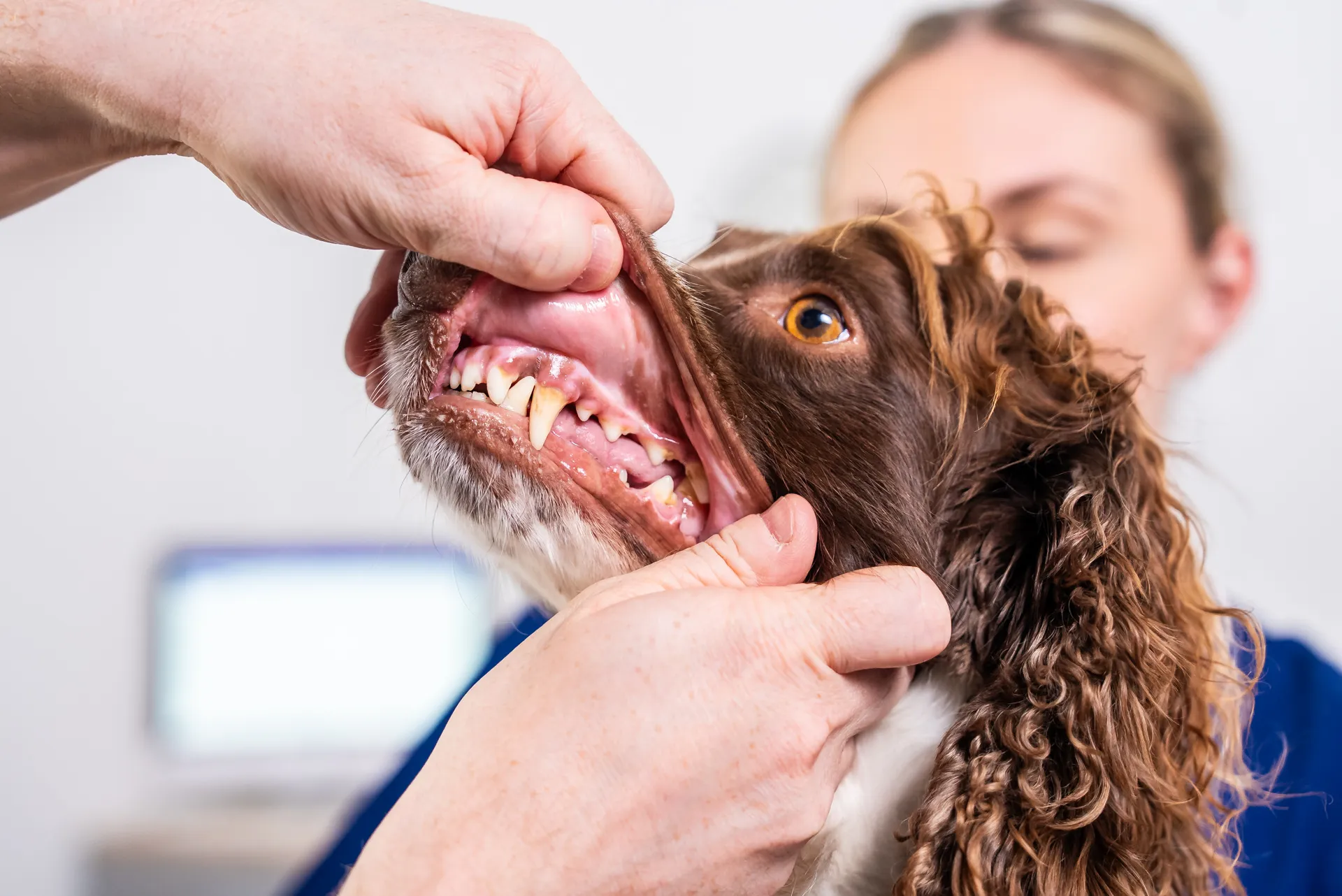
Try searching for a dog being examined for otitis externa, or a realistic image of an arthritic senior patient, and you'll quickly see the problem. The more specific the scenario, the fewer suitable images there are.
That often leaves us with two choices. Use an image that doesn't quite fit, or invest the time and budget into commissioning a bespoke shoot.
We've always believed at Trimble Group that realism goes beyond production quality. It's about reflecting the reality of veterinary practice.
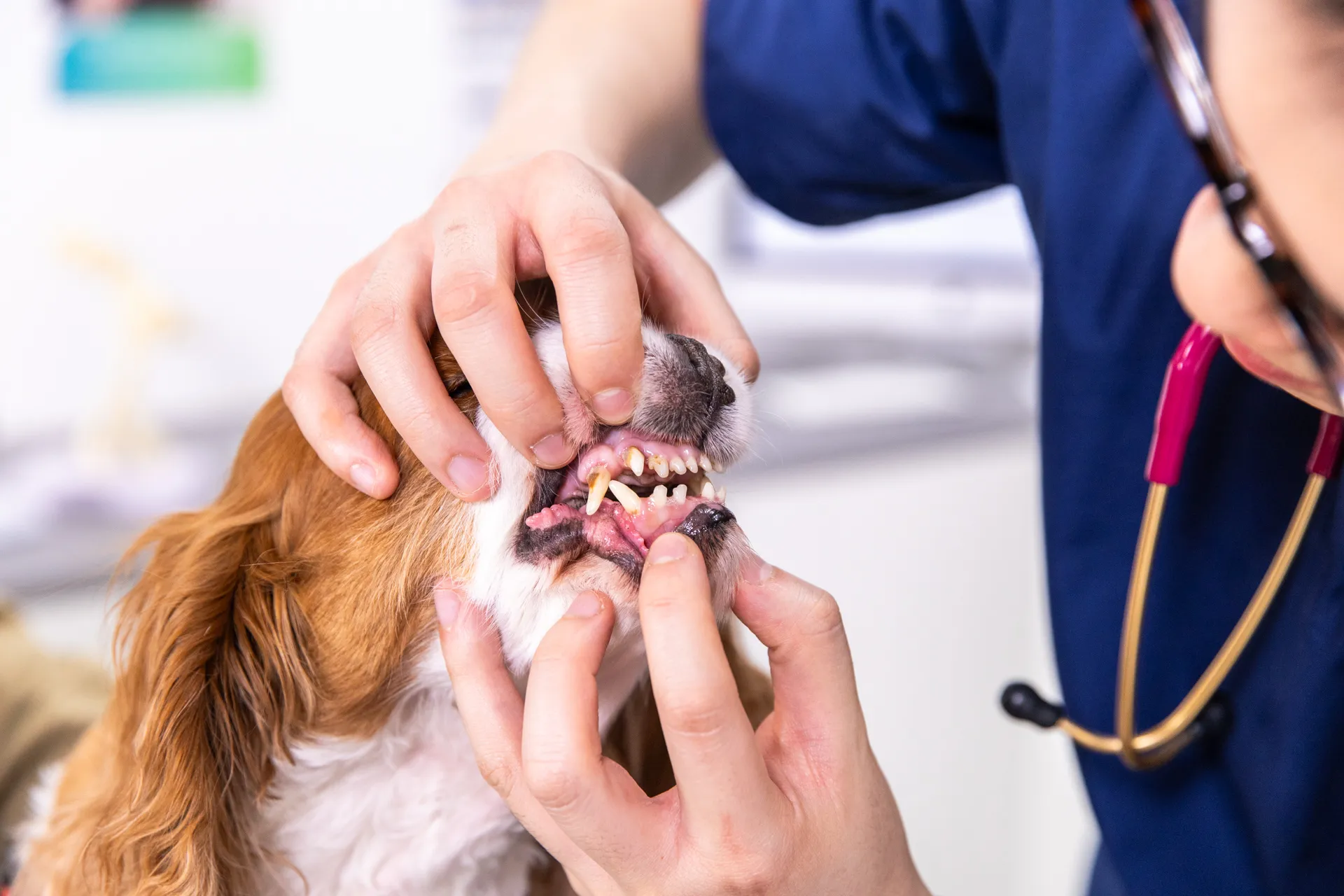
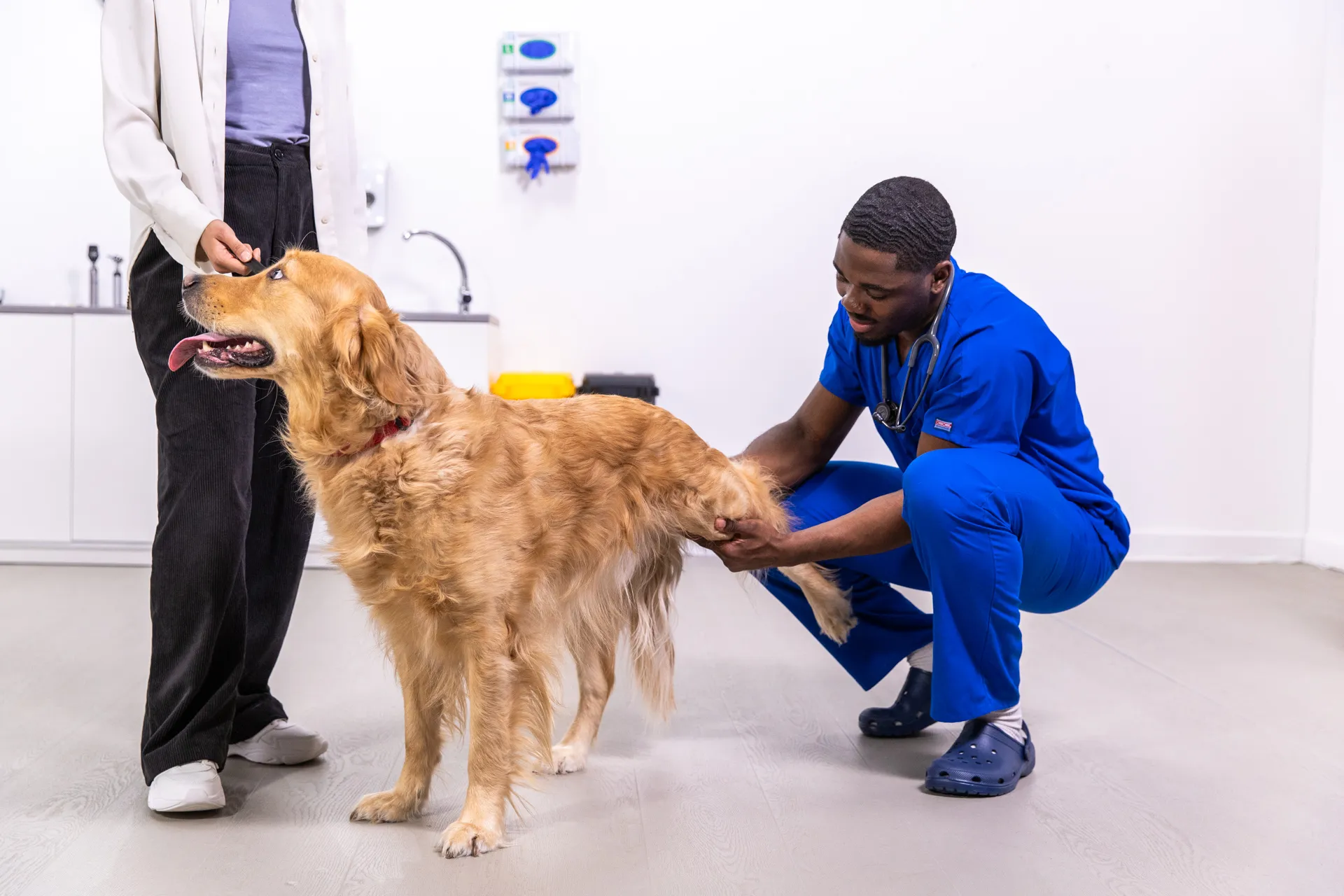
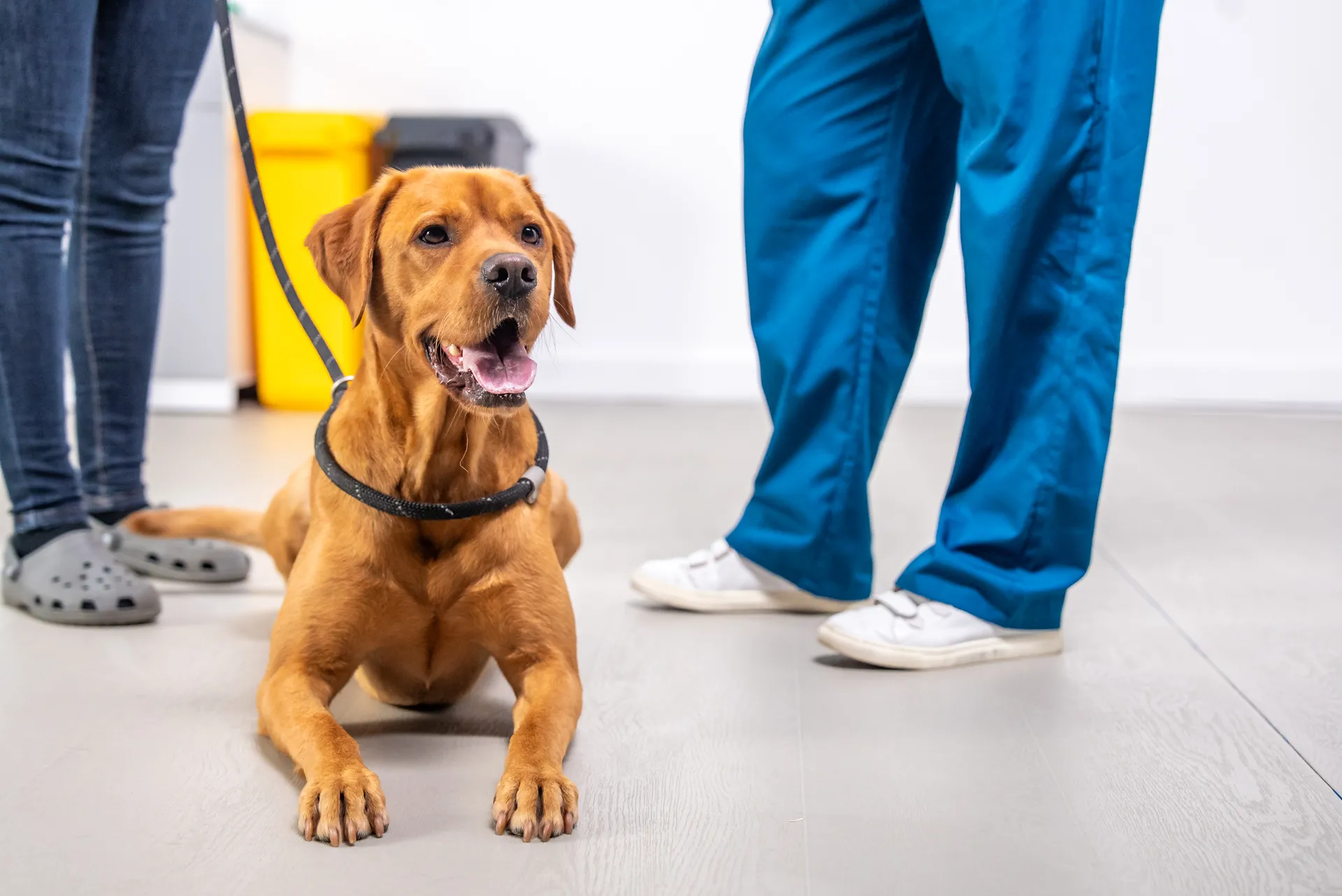
That means showing animals of different ages, breeds and conditions, and capturing real clinical environments. Creating imagery that feels familiar to the people you're trying to reach.
First impressions matter
The way people consume content has changed dramatically over the last few years.
We all make decisions incredibly quickly about whether something is worth our attention. Long before someone reads your clinical data or marketing copy, they've already formed an impression based on what they can see.
If you've spent a long time ensuring every word is accurate, but the image alongside it shows something that would never happen in practice, you've created an unnecessary hurdle and it immediately feels less authentic. This, for busy veterinary professionals, can be enough to discourage their engagement.
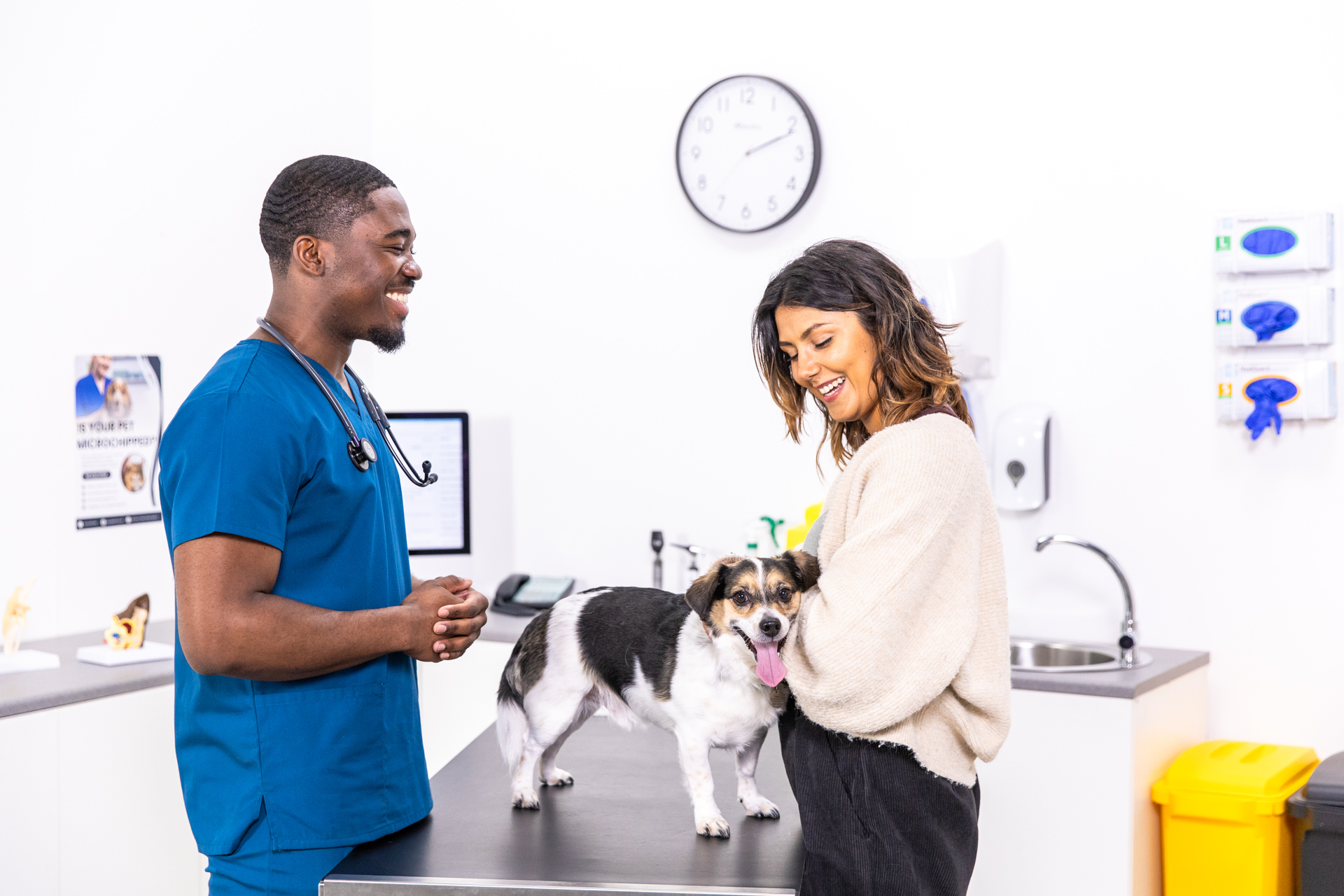
Moving beyond traditional stock photography
The best imagery doesn't just make content look good. It helps people connect with the message.
When a vet sees a senior Labrador that genuinely looks like a patient they might see in practice, rather than a perfectly healthy dog pretending to be one, the content instantly feels more relevant.
That's been one of the biggest challenges in animal health for years - often leaving teams to choose between convenience and clinical accuracy.
We don't think they should have to. We believe that high-quality, clinically accurate imagery shouldn't be difficult to find, and it shouldn't require a full production shoot every time you need it.
That's exactly why we created the Animal Health Image Library.
The Animal Health Image Library
The Animal Health Image Library has been built specifically for animal health, shaped by the people who use these images every day.
Rather than creating another generic stock library for Animal Health, we delved further and started with the question: what do animal health teams actually need?
The result is a purpose-built library grounded in real clinical scenarios and designed around the realities of veterinary practice.
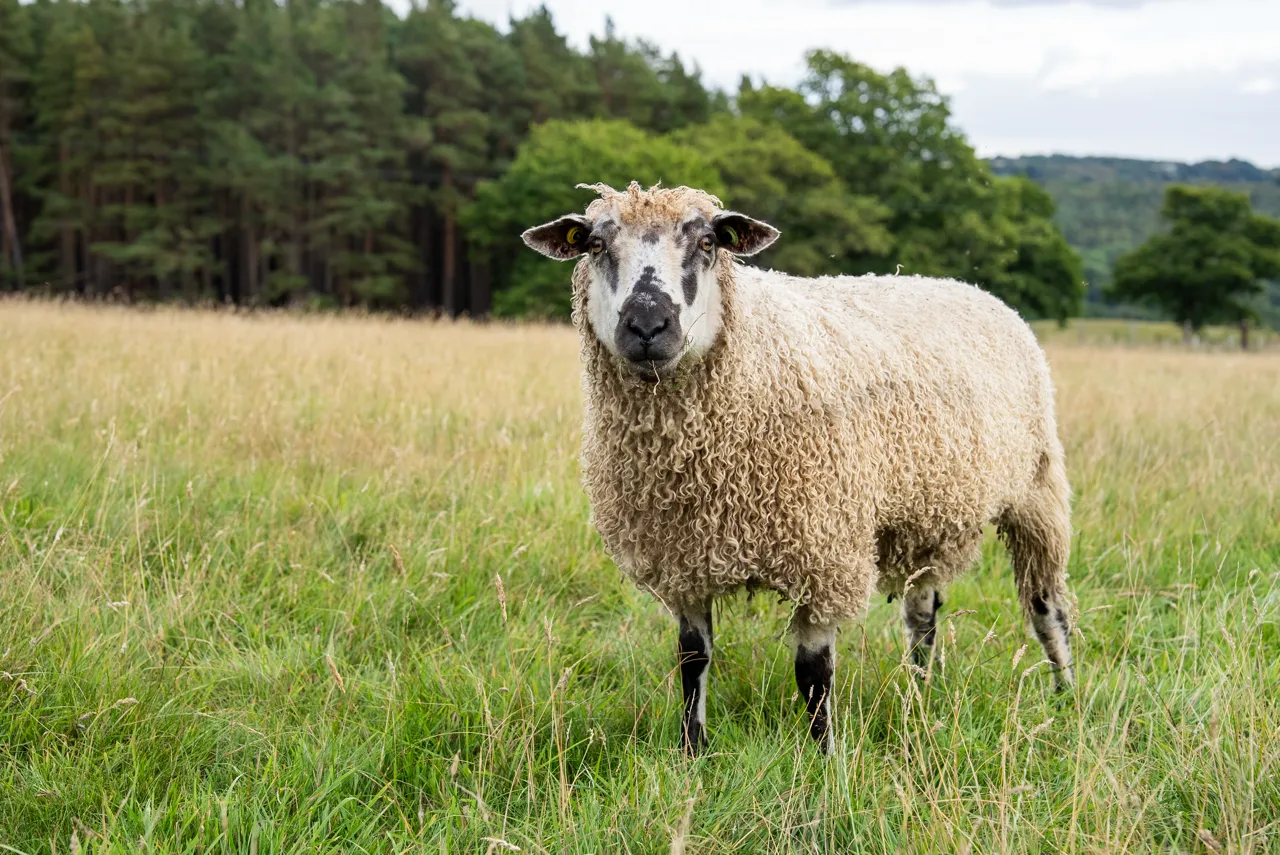
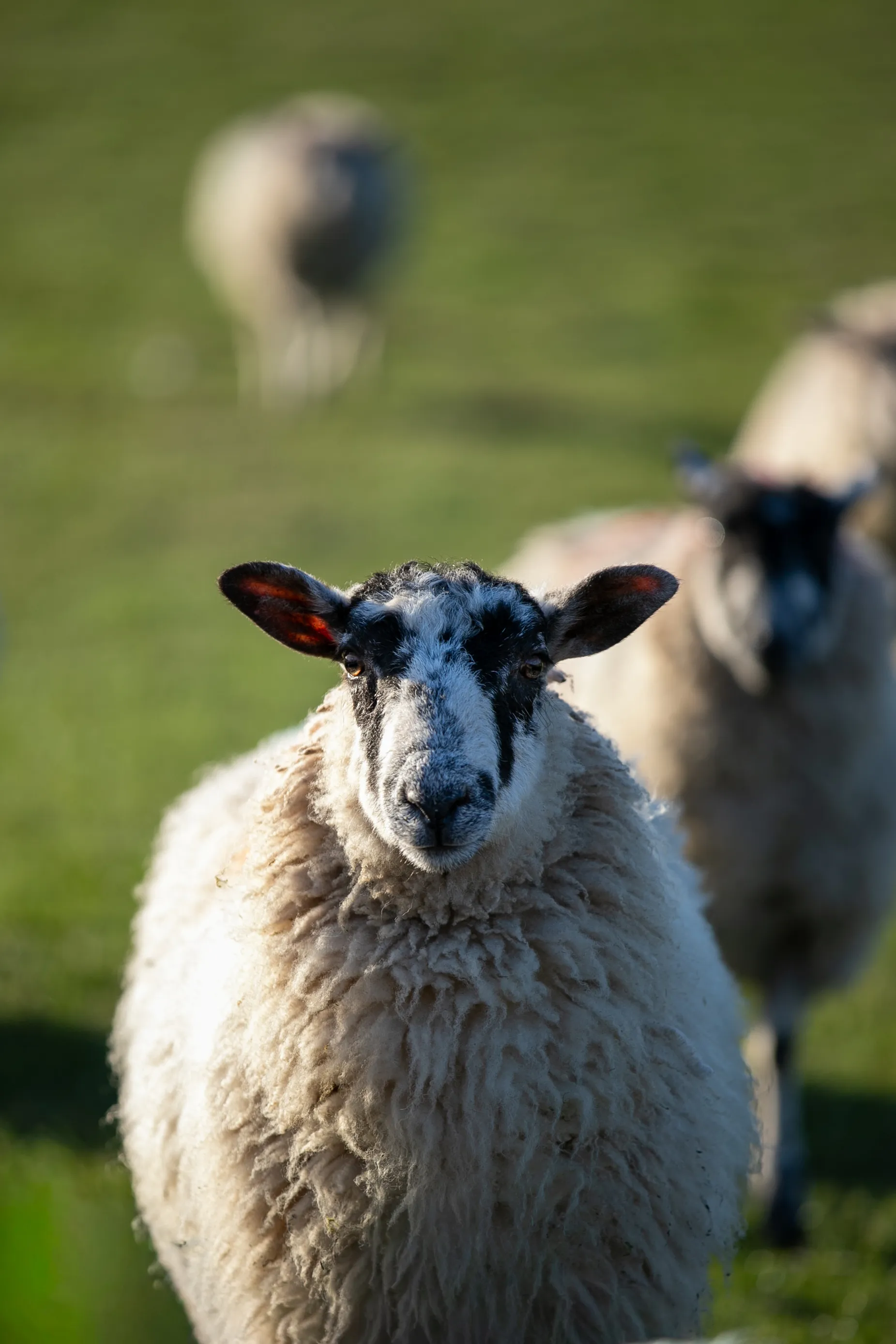
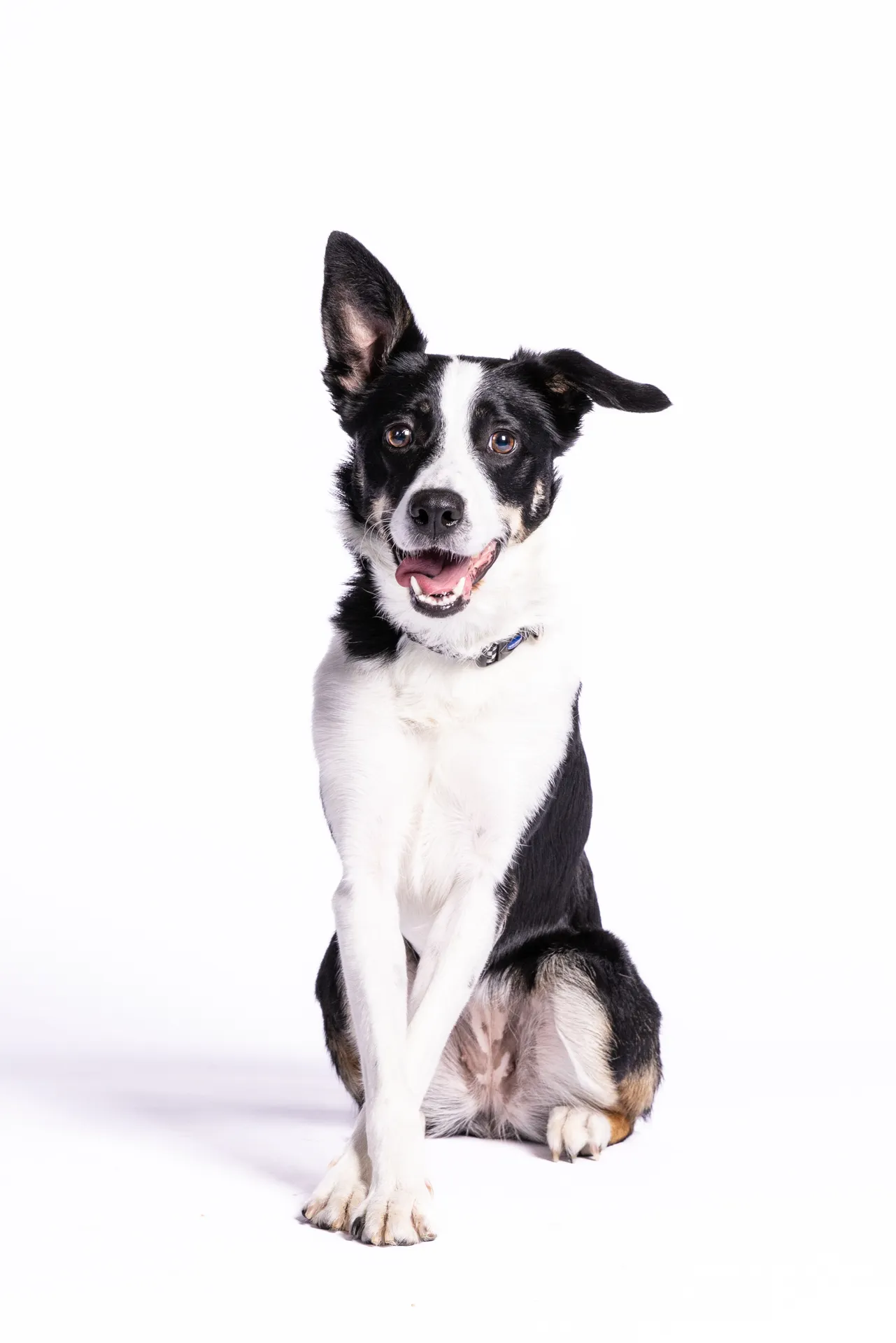
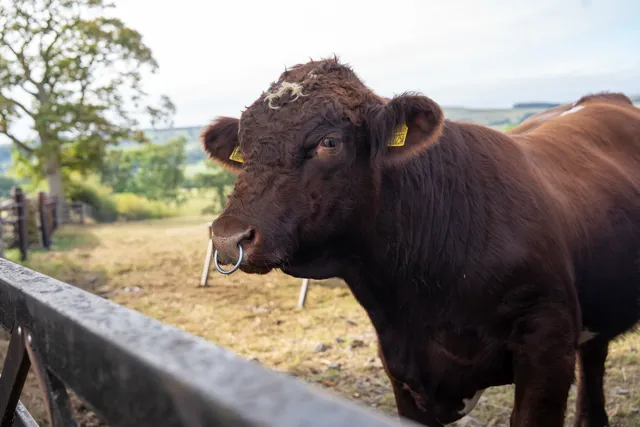
We launched the library last week with more than 5,000 images covering dogs, cats, sheep, cattle and pigs, with equine and poultry content being added in the coming months (I’m literally about to go to an equine referral hospital for a photo shoot as I write this).
Most importantly, the library won't stand still.
We'll continue adding new imagery every month based on what marketing, communications and education teams tell us they need, helping close the gap between what's available and what's actually useful.
Because clinically accurate imagery shouldn't be the exception. It should be the standard.
If you’d like to see the library, you can access it here: https://www.vetimages.com/